
This handheld TDS & EC water tester is designed to provide fast and reliable measurement of total dissolved solids and electrical conductivity in water. The water quality tester is equipped with a high-sensitivity conductivity sensor that delivers stable and accurate readings with a resolution of 1 ppm and 1 µS/cm. This TDS & EC water tester is widely used for drinking water testing, RO/DI system monitoring, aquariums, hydroponics, laboratories, and water treatment applications, offering a dependable solution for everyday water quality assessment.
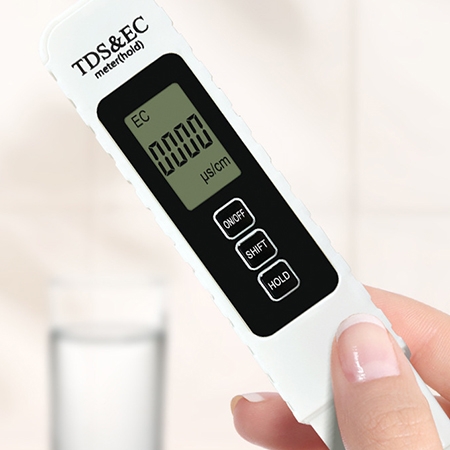
Advanced Display Features for Clear and Accurate Readings
- High-definition LCD large screen: Simultaneous display of water quality and temperature, large screen, accurate display.
- Data-hold function: Allows users to temporarily freeze the current reading on the display, making this digital water quality tester easier to record and review measurements.
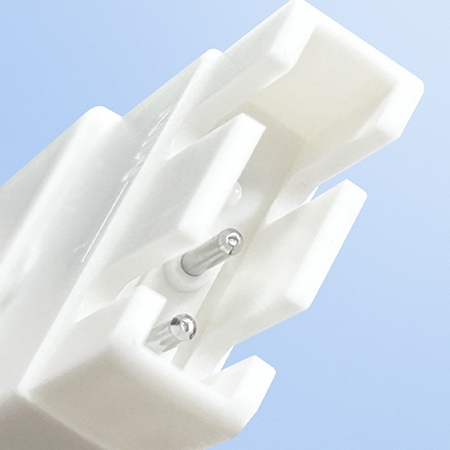
Precision Detection Capabilities for High-Accuracy Measurements
- Titanium alloy probe for enhanced precision: High testing accuracy, fast detection speed, and unaffected by electromagnetic interference.
- Multi-functional 3-in-1 detection pen: Capable of measuring TDS, conductivity, and temperature, this versatile tool is perfect for comprehensive water quality testing across a wide range of applications
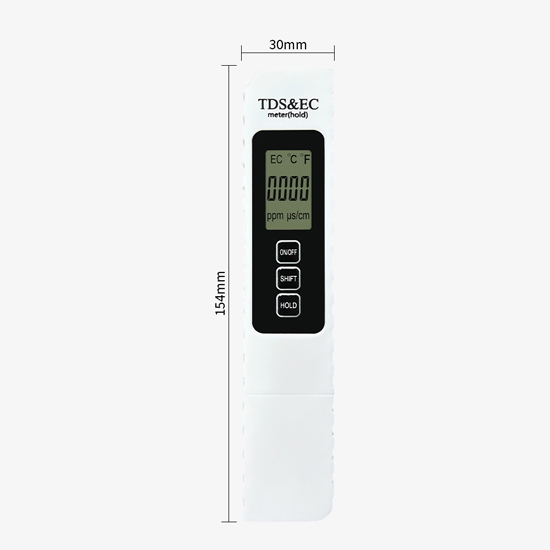
Dimension
Applications
SISCO's digital TDS&EC water quality tester delivers precise and dependable results across various environments. From monitoring drinking water to optimizing water quality in hydroponic systems, it allows users to quickly and accurately measure key parameters like Total Dissolved Solids (TDS), Electrical Conductivity (EC), and temperature. Additionally, it excels in testing swimming pool water, helping maintain a healthy swimming environment by adjusting EC levels. Suitable for both home and commercial use, this water quality tester is an essential tool for a wide array of water testing needs.
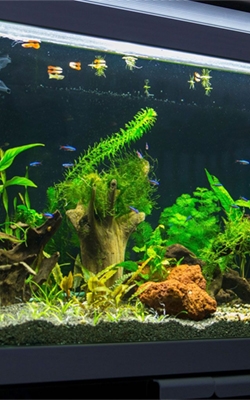
Aquarium Water

Hydroponics

Food Salinity
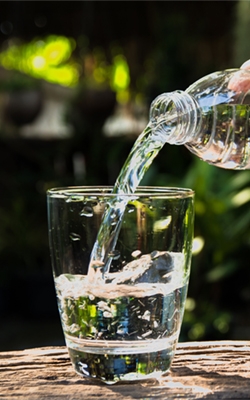
Drinking Water
| Model | SISCO-WQT-A4L |
| TDS Range | 1–9999 ppm |
| EC Range | 1–9999 µS/cm |
| Accuracy | ±2% |
| Resolution | 1 ppm / 1 µS/cm |
| Operating Voltage | 3 V |
| Dimensions | 30*14*154 mm |
| Weight | 80 g |
Q1: What is a good TDS reading for drinking water?
A1: A good Total Dissolved Solids (TDS) reading for drinking water typically falls between 50 and 300 parts per million (ppm). Water with TDS levels within this range is generally considered safe and palatable, providing a balance of essential minerals without affecting taste or quality. While the World Health Organization (WHO) suggests that water with TDS levels below 300 ppm is acceptable, levels below 50 ppm may lack necessary minerals, and readings above 300 ppm can indicate excessive impurities or high mineral content, which could affect the taste and potentially pose health concerns over long-term consumption.
Q2: What parameters can a water quality tester measure?
A2: A water quality tester can measure several key parameters to assess the safety and purity of water. Common measurements include Total Dissolved Solids (TDS), which indicates the concentration of dissolved substances like minerals and salts; Electrical Conductivity (EC), which reflects the water’s ability to conduct electricity and indirectly shows the level of ionized substances; and pH levels, which determine the acidity or alkalinity of the water. Some testers also measure temperature, as it can affect other readings, and dissolved oxygen (DO), which is critical for aquatic life. Additionally, advanced testers may monitor turbidity, chlorine levels, and specific contaminants like nitrates or heavy metals. These parameters together give a comprehensive overview of water quality.
Q3: How to calibrate water quality tester?
A3: Calibrating a water quality tester is essential for ensuring accurate measurements. The calibration process typically involves using standard solutions with known values for the specific parameters you intend to measure, such as pH, TDS, or EC. Start by rinsing the electrode or probe with distilled water to remove any contaminants. Then, immerse it in the calibration solution that corresponds to the parameter being calibrated. For pH meters, you may need to use multiple standard solutions (commonly at pH 4.00 and 7.00) to create a calibration curve. Follow the manufacturer's instructions to set the meter to recognize these values, usually by pressing a calibration button and allowing the device to adjust to the known readings.
After calibration, it is important to verify the accuracy of the tester by measuring a third standard solution to ensure the readings are consistent. If the readings deviate significantly from the expected values, repeat the calibration process. Regular calibration is advised, especially before critical measurements or after extended periods of non-use, as factors like temperature and electrode wear can affect accuracy. Keeping a calibration log can also help track when the device was last calibrated and maintain consistent measurement standards over time.
Tips: What is the difference between TDS and EC?
TDS (Total Dissolved Solids) and EC (Electrical Conductivity) are closely related but measure different aspects of water quality.
EC measures how well water conducts electricity. Because dissolved ions such as salts, minerals, and metals carry electrical charge, higher ion concentration results in higher conductivity. EC is a direct electrical measurement and is typically expressed in µS/cm.
TDS represents the total amount of dissolved substances in the water, including salts, minerals, and other inorganic compounds. TDS is usually expressed in ppm (parts per million). Unlike EC, TDS is not measured directly; it is calculated from the EC value using a conversion factor.
In simple terms, EC shows how conductive the water is, while TDS estimates how much material is dissolved in the water. This is why both values are useful: EC provides a precise physical measurement, and TDS offers an easy-to-understand indication of overall water purity.
Thank you for buying industrial test and measurement equipment on SISCO.com, all products sold by SISCO and the partner cover a 12 months warranty, effective from the date of receiving the products.
What is covered?
SISCO is responsible for providing free spare parts, and free technical support to assist the customer to repair the defective products until the problem is solved.
What is not covered?
- Product purchased from anyone other than a SISCO store or a SISCO authorized reseller.
- Expendable parts.
- Routine cleaning or normal cosmetic and mechanical wear.
- Damage from misuse, abuse or neglect.
- Damage from use of parts other than SISCO approved.
- Damage from use outside the product’s usage or storage parameters.
- Damage from use of parts not sold by SISCO.
- Damage from modification or incorporation into other products.
- Damage from repair or replacement of warranted parts by a service provider other than a SISCO authorized service provider.
- Damage caused by the application environment not meeting the product usage requirements and the failure to perform preventive maintenance.

Shop on sisco.com for all of your industrial test and measurement equipment & accessories including portable detectors, meters, testers, scales, etc.


