
Kitchen Scales
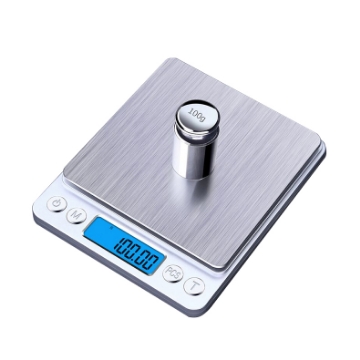
Digital Kitchen Scale, 500g/1kg/2kg/3kg
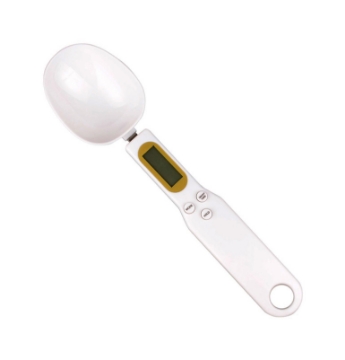
Digital Spoon Scale, 500g /0.1g
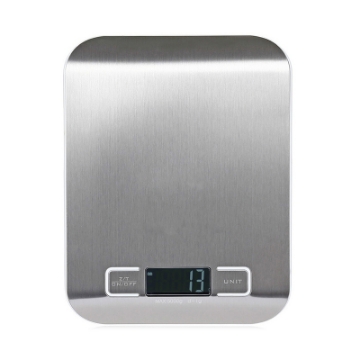
Electronic Kitchen Scale, 5kg/10kg
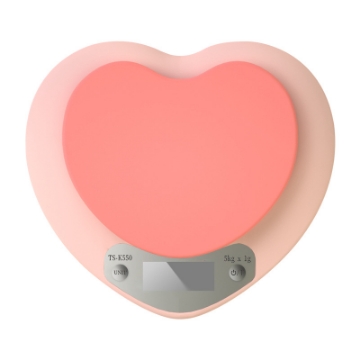
Kitchen Weighing Scale, 2kg/5kg
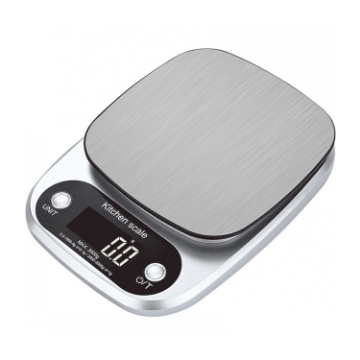
Stainless Steel Kitchen Scale, 3kg/5kg/10kg
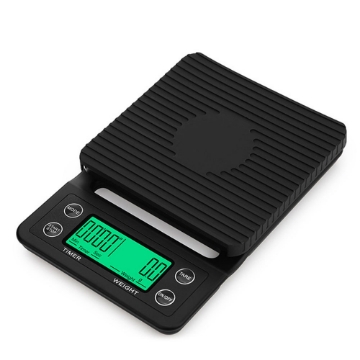
Coffee Scale, 3kg/5kg
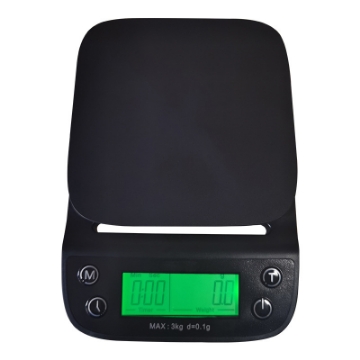
Coffee Scale with Timer, 3kg/0.1g

Digital Pocket Scale For Food/Jewelry

Digital Kitchen Scale With Bowl

Mini Coffee Scale with Timer

Smart Kitchen Scale With Bluetooth

Split-type Digital Kitchen Scale

Electronic Spoon Scale, 800g

Digital Foldable Kitchen Scale
Digital kitchen scale for sale online. A kitchen scale is a tool used to accurately measure the weight of food ingredients used in cooking. It is also a food scale, made of ABS or AAS plastic and stainless steel. Electronic kitchen scales may also use toughened glass because toughened glass is easy to clean, so it is generally used as the tray part of the kitchen scale.
SISCO provides several digital kitchen scales with a range from 0.1g to 500g, 2kg, 3kg, 5kg, 10kg. Coffee scales with a timer also are available in the 1g~3kg, 5kg range. Kitchen weighing scale supports g/ct/gn/dwt/ozt/oz unit conversions and one-click peeling and zero clearing function, widely used in baking, jewelry medicine, seasoning, hardware and chemical industry.
How to choose a kitchen scale?
First, consider your actual needs. For everyday home cooking and baking, an electronic kitchen scale with a capacity of 3–5 kg and a graduation of 1 g or higher is suitable for accurately weighing ingredients such as flour, sugar, and seasonings.
If you need to weigh larger quantities or use it in a commercial kitchen, focus on a food weight scale with larger capacity and a more robust structure. Also consider features like tare function, unit switching (g/oz/lb), waterproof and dustproof design, and a clear display screen; these directly impact ease of use and user experience.
What are the types of kitchen scales?
Based on their working principle, food measuring scales are mainly divided into mechanical and electronic kitchen scales: Mechanical kitchen scales are simple in structure, require no power supply, and are durable, but their accuracy is relatively lower; electronic kitchen scales use sensors for measurement, offering high accuracy and rich features, and are currently the most popular choice.
Furthermore, based on usage scenarios, they can be divided into household kitchen scales, pocket scales, and commercial kitchen scales, each with its own emphasis on size, capacity, and accuracy.
How to calibrate a kitchen scale?
Properly calibrating food weighing machine before selecting and using it effectively ensures the accuracy of weighing results. During calibration, place the electronic food scale on a level, sturdy surface, turn on the power and ensure the display shows zero. Then, follow the instruction manual to enter calibration mode and use standard weights or items of known weight for calibration. After calibration, it is recommended to weigh the same item multiple times for comparison and verification. Regular recalibration is also recommended after long-term use or after battery replacement to ensure the digital baking scale maintains stable and reliable measuring performance.

Shop on sisco.com for all of your industrial test and measurement equipment & accessories including portable detectors, meters, testers, scales, etc.


