
Voltage Testers

3 Phase Digital AC Voltage Tester

Contact AC Voltage Tester, 12V-300V

Contactless AC Voltage Detector for Home Use
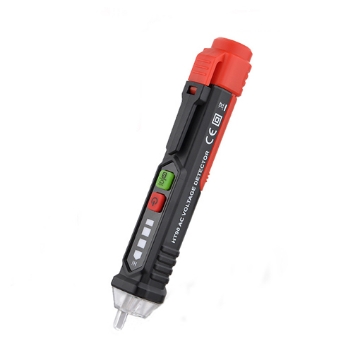
Multifunction AC Voltage Tester for Electricians
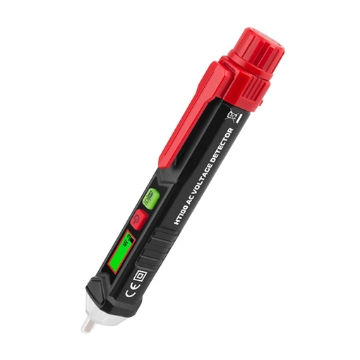
No Contact AC Voltage Tester Pen

Non Contact AC Voltage Tester, 12V-1000V
A voltage tester is a fundamental electrical tool used to determine the presence of voltage in a circuit or electrical component. It helps identify whether a wire, outlet, or device is live, indicating whether it is carrying current. The voltage tester pen design is compact and easy to use, a voltage tester is a critical tool for maintaining electrical safety in any setting.
SISCO is available in various forms from simple contact testers to non-contact digital voltage detectors for your needs. The electric voltage tester built-in flashlight which can work in the dark. The NCVT tester are essential for safely troubleshooting and verifying electrical installations. They are widely used by electricians, technicians, and DIY enthusiasts to ensure circuits are de-energized before performing work, thereby reducing the risk of electrical shock.
Voltage tester working principle
Voltage testers typically employ inductive or contact-based detection principles. When the probe touches or approaches a live conductor, the internal sensing circuit detects the electric field or current signal. This signal is then amplified and processed electronically, causing an indicator light to illuminate, a buzzer to sound, or a value to be displayed on the screen, thus indicating the presence of voltage in the circuit.
Electric voltage tester usage method
To use the voltage detector, touch the probe to the socket, wire, or terminal to be tested, or bring it close to the wire being tested (for non-contact types). If the voltage checker's indicator light illuminates or emits a sound, it indicates that the circuit is live; no reaction means there is no voltage or the voltage is below the detection range. Before testing, ensure the electrical tester tool is functioning correctly, and during operation, ensure your hands are insulated to avoid direct contact with exposed conductors.
Voltage detector application
The voltage meter testers can detect the presence of voltage in circuits or equipment and determine whether they are live. The electric voltage tester are commonly used in household electrical inspections, electrical repairs, equipment installation and maintenance, etc. They can quickly identify live and neutral wires, troubleshoot broken wires and leakage problems, and help users confirm electrical safety before operation.

Shop on sisco.com for all of your industrial test and measurement equipment & accessories including portable detectors, meters, testers, scales, etc.


