
Air Samplers

Environmental Air Sampler, 60~130L/min
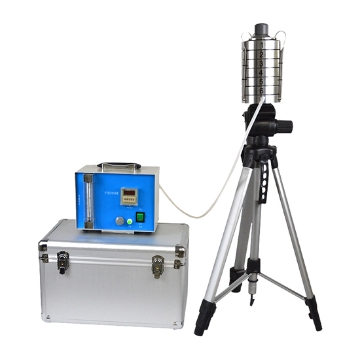
Impactor Air Sampler, 28.3L/min
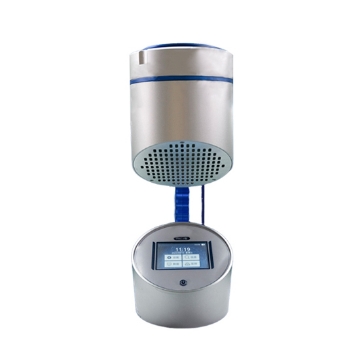
Microbial Air Sampler, 100L/min
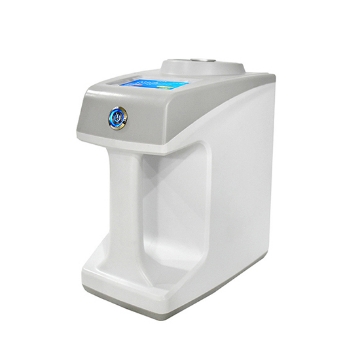
Portable Microbial Air Sampler, 100L/min
What is an air sampler?
An air sampler is a specialized instrument used to collect gaseous pollutants, particulate matter (such as PM2.5 and dust), microorganisms, and other substances from the air. Its core function is to capture air samples for subsequent testing and analysis, providing data support for air quality assessment, pollution source tracing, and environmental monitoring.
Simply put, it acts like an "air catcher," actively or passively collecting air (and the particles or gases it carries) onto a specific medium for subsequent laboratory analysis or real-time monitoring. Its main purpose is to quantitatively or qualitatively understand the concentration, composition, source, and distribution of air pollutants. Through active air extraction or passive exposure, it captures target substances in the air onto filter membranes, petri dishes, absorption liquids, or other media for subsequent detection and analysis.
What types of air samplers are there?
Air samplers can be categorized by core dimensions: by the object being sampled (gas samplers, particulate matter samplers (including PM2.5/PM10 dedicated models), and microbial samplers); by flow rate specifications (constant flow, medium flow, and low flow samplers); by sampling principle (membrane weighing, absorbent absorption, and adsorption tube enrichment); and by application scenario (portable and fixed online models, adapting to different monitoring needs).
What are the key advantages of air samplers?
- Accurate Sampling: Precise control of parameters such as flow rate and time allows for the interception of target pollutants, ensuring sample representativeness.
- High Adaptability: Capable of sampling different objects such as gases, particulate matter, and microorganisms, meeting the needs of various scenarios, including laboratories, industry, and environmental protection.
- High Efficiency and Convenience: Some models are portable and easy to operate, allowing for rapid deployment; online models support continuous monitoring, improving work efficiency.
- Data Support: Provides reliable samples for air quality assessment, pollution source tracing, and compliance testing, supporting scientific decision-making.

Shop on sisco.com for all of your industrial test and measurement equipment & accessories including portable detectors, meters, testers, scales, etc.


