
Smoke Detectors
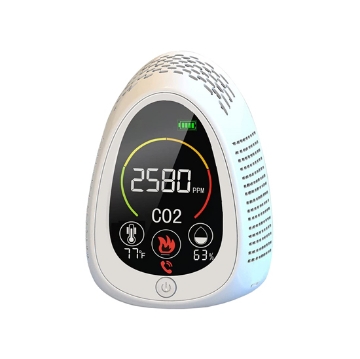
4 in 1 Smoke Detector, Carbon Dioxide (CO2) & Smoke Alarm
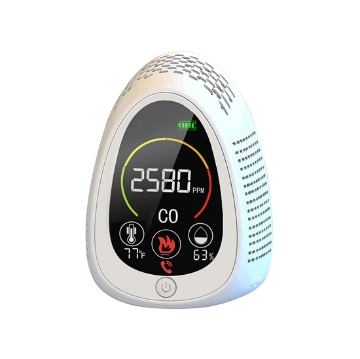
4 in 1 Smoke Detector, Carbon Monoxide (CO) & Smoke Alarm
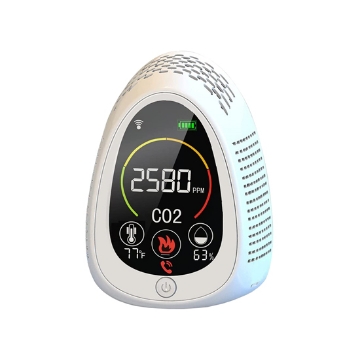
5 in 1 Wifi Smoke Detector, Carbon Dioxide (CO2) & Smoke Alarm
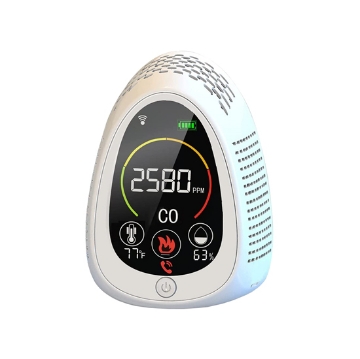
5 in 1 Wifi Smoke Detector, Carbon Monoxide (CO) & Smoke Alarm
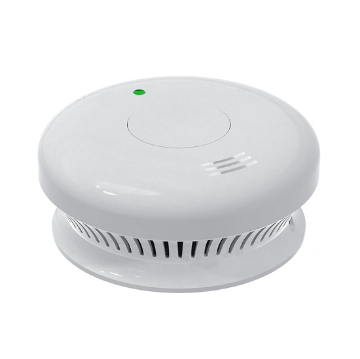
Photoelectric Smoke Detector, Stand Alone Fire Alarm

Photoelectric Smoke Detector, Wall Mounted, Smoke Alarms
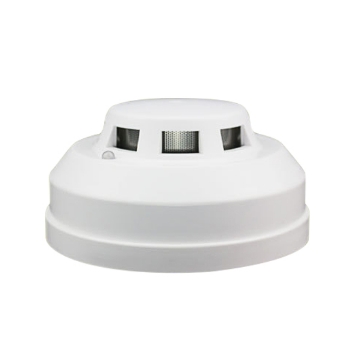
Wifi Smoke Detector, Wired Fire Alarm

Linear Smoke Detector, Smoke Alarm

Smart Smoke Detector, Interconnected Smoke Alarms
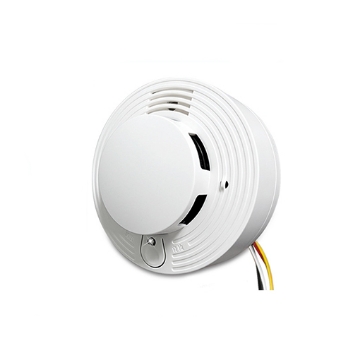
Wired Smoke Detector, Smoke and Heat Alarms

Wireless Photoelectric Smoke Detector, Smoke Alarms

Home Carbon Monoxide Detector

Handheld Carbon Monoxide Detector

Travel Carbon Monoxide Detector

Portable Carbon Monoxide Detector
Smoke detectors are safety alarm devices used for the early detection of fires, primarily installed in residential buildings, office buildings, shopping malls, and industrial facilities. They can emit audible and visual alarms in the early stages of a fire, before smoke has spread and flames have formed, alerting people to take timely evacuation or firefighting measures, thereby effectively reducing casualties and property damage.
SISCO offers different types of smoke alarms, including photoelectric smoke detectors, 4-in-1 smoke detectors, 5-in-1 smoke detectors, and linear smoke detectors. These fire alarm service feature high sensitivity, fast response, intuitive alarms, easy installation and maintenance, and are safe and reliable, providing timely warnings in the early stages of a fire.
How does smoke detectors work?
Common types of smoke alarm services include photoelectric and ionization types. Photoelectric smoke alarmss detect smoke particles in the air using an infrared beam; when smoke enters the detection chamber and scatters the light, an alarm is triggered. Ionization smoke detectors use a small radioactive source to ionize the air; when smoke enters and affects the current, an alarm is triggered. Different principles are suitable for different types of fire scenarios.
Why is smoke alarm detector beeping?
An intermittent "beeping" sound from a smart fire alarm usually doesn't indicate actual smoke detection, but rather an abnormal device status. The most common reason is low battery power, requiring immediate battery replacement; another possibility is dust or insects inside the detector affecting the sensor's normal operation; additionally, when the smoke detector service reaches its service life (generally 8-10 years) or malfunctions, it will also beep to remind the user to replace or maintain it.
How to test a smoke detector?
The simplest way to test a smoke detector tester is to press the "Test" button on the device. If the alarm immediately emits a loud sound, the device is working correctly. It is recommended to test the device at least once a month, regularly clean the detector's surface of dust, and replace the batteries every 6-12 months in battery-powered models to ensure the smoke detector operates reliably in emergencies.

Shop on sisco.com for all of your industrial test and measurement equipment & accessories including portable detectors, meters, testers, scales, etc.


