
Moisture Meters
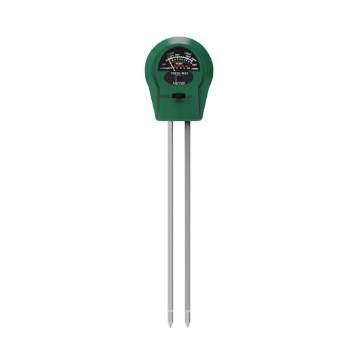
3 in 1 Soil pH Moisture Meter

3 in 1 Soil pH/Fertility/Moisture Tester
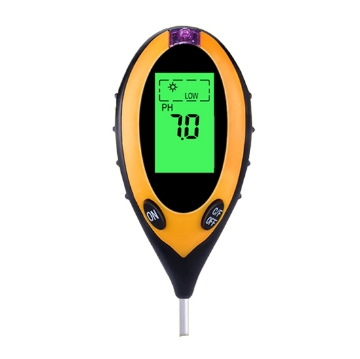
4 in 1 Digital Soil pH Moisture Meter
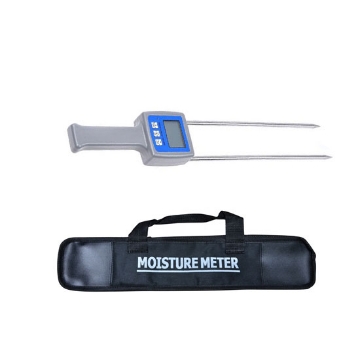
Digital Grain Moisture Meter for Wheat, 6 Kinds of Grain
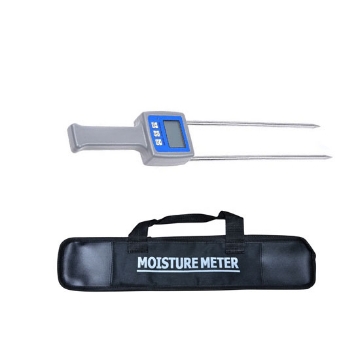
Digital Grain Moisture Meter, 11 Kinds of Powder Grain
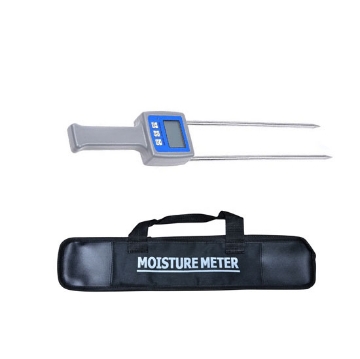
Digital Grain Moisture Tester, 25 Kinds of Grains

Digital Moisture Meter for Wood
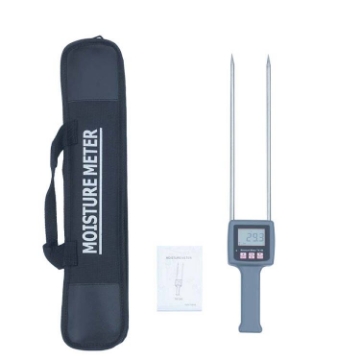
Digital Multifunctional Moisture Meter for Wood/Grain

Digital Pinless Moisture Meter for Concrete
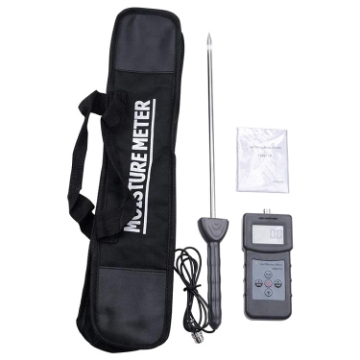
Digital Soil Moisture Meter, Handheld
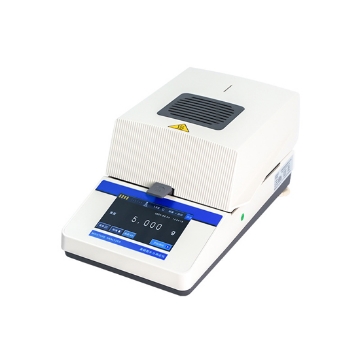
Halogen Rapid Moisture Meter

Moisture Meter for Corrugated Box

Moisture Meter for Paper, Cardboard

Non Destructive Moisture Meter for Wood/Wall/Concrete
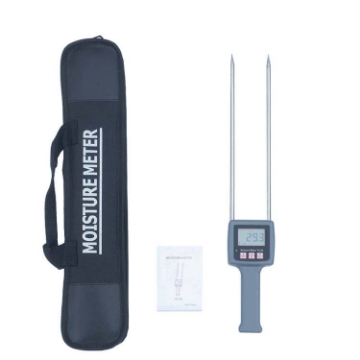
Portable Hay Moisture Meter, Pin Type, LCD Display
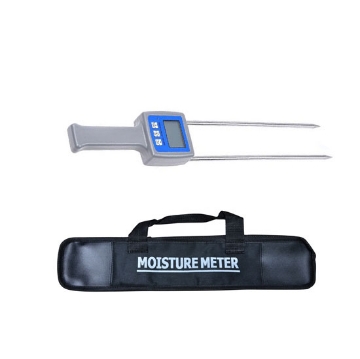
Portable Wood Moisture Meter, Pin Type, LCD Display

Soil pH Moisture Meter for Garden
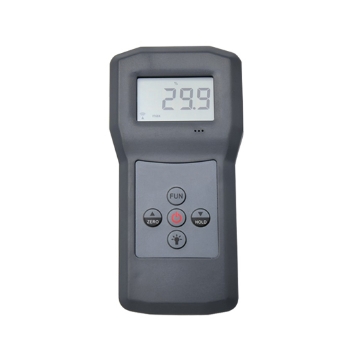
Concrete Moisture Meter
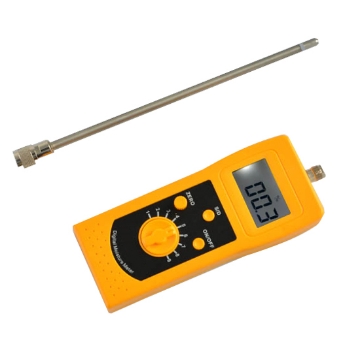
Handheld Moisture Meter For Food

Moisture Temperature Meter
- 1
- 2
Digital moisture tester uses the conductivity of the object to measure the moisture content. The moisture content will be measured by measuring the conductivity of the measured object. The higher the moisture content, the higher the corresponding conductivity. Soil moisture meter, wood moisture meter and grain moisture meter are available on sisco.com. Portable moisture detector can detect up to 25 grains, such as wheat, corn and barley, as well as wood, hay straw and wood chips, which are widely used in grain, seed, bamboo products, textile and other industries.
How to maintain a digital moisture tester?
Maintaining a moisture meter requires attention to calibration, cleaning, and the operating environment. First, regular calibration is necessary based on usage frequency; humidity testers are typically recommended to be calibrated every 6-12 months to ensure data accuracy. Second, the sensor and probe should be kept clean, avoiding dust, oil, or moisture buildup that can cause slow response times. A dry, soft cloth can be used for gentle cleaning; if used in high-humidity or polluted environments for extended periods, the probe's condition should be checked more frequently. Finally, digital moisture meters should be protected from extreme temperatures and humidity, corrosive gases, or strong vibrations. When stored, keep them dry and away from heat sources, and use a moisture-proof box if necessary.
What are the applications of professional moisture meters?
- In industrial production, they are used to monitor workshop humidity, ensuring the quality stability of electronic products, food, textiles, and chemical materials.
- In warehousing and logistics, they prevent moisture damage to pharmaceuticals, grains, wood, and paper products.
- In agricultural greenhouses and livestock farming, they help regulate air humidity, promoting crop growth and animal health.
- In laboratories, pharmaceutical factories, and medical facilities, digital moisture meters are used to ensure that the environment meets strict standards.
In addition, in daily life and HVAC systems, moisture meters are used in homes, offices, museums, etc., to maintain comfortable air, prevent mold, and reduce static electricity. They are also often integrated into air purifiers, humidifiers, and smart home systems for automated environmental control.

Shop on sisco.com for all of your industrial test and measurement equipment & accessories including portable detectors, meters, testers, scales, etc.


