
UV Meters

LED UV Meter, 340-420 nm
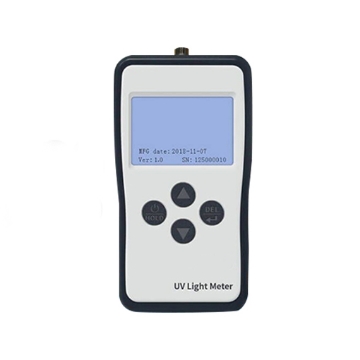
Ultraviolet Light Meter, 230-420 nm
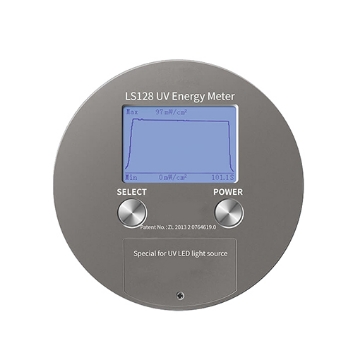
UV Energy Meter, 340-420 nm
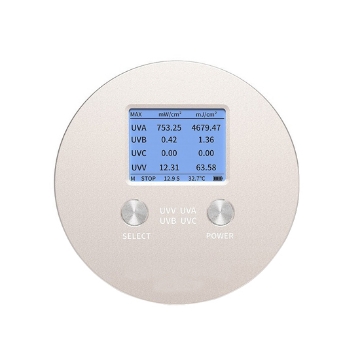
UV Intensity Meter, 230-445 nm

UV Light Meter, 230-280 nm

UVC Light Meter, 230-280 nm

Portable UV Radiometer, 350-380 nm

UV Light Radiometer, 280nm ~ 320nm

UV Radiometer With Touch Screen, 250-410 nm

UV Light Tester, 230-450nm

Ultraviolet Light Tester, 290~390 nm
The UV meter is a versatile and precise instrument designed for measuring ultraviolet light intensity across various applications. Equipped with an advanced sensor, it delivers accurate readings with high sensitivity, making it ideal for use in laboratories, environmental monitoring, and industrial settings.
SISCO offers kinds of ultraviolet meters including UVA, UVB and UVC meters for selection, the measuring range from 230nm to 420 nm. The UV light meters feature a clear LCD display for easy readability and support a broad range of wavelengths. With its user-friendly interface, the UV meter offers simple operation, while its durable construction ensures reliable performance in demanding conditions. Additionally, some UV testers are compatible with multiple probes, with automatic probe recognition, ensuring versatility for different measurement needs. Whether you’re in a laboratory, conducting environmental research, or working in industrial applications, this device offers exceptional accuracy and ease of use.
What are the UV intensity meter used for?
A UV intensity meter is used to measure the irradiance of ultraviolet radiation in different wavelength ranges (such as UVA, UVB, and UVC) to assess the actual radiation intensity of light sources such as UV lamps, sterilization equipment, exposure machines, curing machines, and sunlight. The uv light meter is widely used in applications such as UV sterilization equipment testing, PCB exposure, UV curing processes, material aging testing, environmental monitoring, and medical and cosmetic equipment testing.
By measuring UV intensity in real time, users can determine whether the UV light source meets standards, whether the lamp needs to be replaced, and whether there are any safety risks, thereby ensuring process quality and personnel safety.
How to calibrate a UV light meter?
Calibrating a ultraviolet meter usually requires a standardized UV light source and professional calibration equipment. First, the calibration should be performed in a controlled experimental environment with constant temperature and no stray light interference. Place the ultraviolet light meter at a fixed position relative to the standard UV lamp or standard irradiation device, ensuring that the probe maintains a consistent distance and angle from the light source.
Then, according to national or industry standards, compare the measured irradiance value with the nominal value of the standard light source, and perform calibration and correction using the uv light tester's internal software or adjustment module. Users should also regularly clean the probe, check for spectral response degradation, and send the uv light intensity meter to a professional laboratory for traceable calibration periodically to ensure long-term measurement accuracy.

Shop on sisco.com for all of your industrial test and measurement equipment & accessories including portable detectors, meters, testers, scales, etc.


