
SISCO machanical stethoscope with a piezo measuring sensor, which can be used to detect striking or unusual machine points. The machine stethoscope is small in size, light in weight and easy to operate. The robust nature allows the use for many years. It is used in the production of cars and ships, in metallurgy, in mechanical engineering, in chemistry and in many other fields.

The Electronic Stethoscope Equipped with Comfortable, High-Quality Headphones
- High-Quality Headphones for Clear Sound Amplification: The stethoscope comes equipped with comfortable, high-quality headphones that deliver clear, amplified sound. The headphones help users hear subtle mechanical noises, such as bearing wear, engine misfires, or exhaust leaks, ensuring precise diagnostics.
- Long, Durable Cable for Easy Access: The stethoscope features a long, flexible cable, allowing the technician to move around and easily access hard-to-reach areas of the engine or machinery.
- Enhanced Sound Detection: The stethoscope’s design is optimized for detecting faint sounds, such as mechanical vibrations or irregular noises, that are often undetectable with the naked ear.
- Comfortable and Adjustable Fit: The adjustable headband ensures a comfortable fit for prolonged use, reducing strain during long periods of diagnostics.
Compact, Ergonomic Design
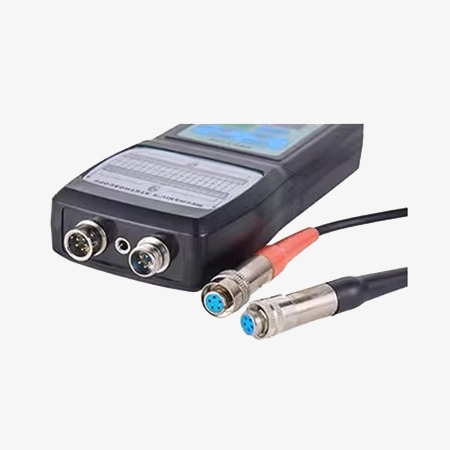
- Advanced Sensor Technology: The stethoscope is equipped with high-sensitivity sensor connectors that allow for precise detection of mechanical vibrations and sounds. These sensors capture even the faintest noises from machinery components, ensuring accurate diagnostics for issues such as bearing wear, loose parts, and engine misfires.
- Durable, Professional-Grade Connectors: SISCO mechanical stethoscope features heavy-duty connectors, designed for robust and long-lasting performance.
- Versatile Connectivity for Various Tools: This device supports multiple sensor inputs, allowing it to be used in conjunction with various mechanical diagnostic tools.
- Integrated Display for Enhanced Diagnostics: The unit features a high-resolution display for real-time analysis of the detected sounds, providing visual feedback alongside audible signals.
- Compact, Ergonomic Design: Designed with ergonomics in mind, the device is lightweight and easy to handle, reducing operator fatigue during extended diagnostic sessions.
Application
SISCO mechanic's stethoscope is a diagnostic tool used to detect mechanical noises, vibrations, and faults in machinery and vehicles. It is widely used in automotive repair, industrial machinery maintenance, engine diagnostics, and equipment inspection to identify issues such as engine misfires, bearing wear, and exhaust leaks. By amplifying internal sounds, it allows technicians to pinpoint problems accurately, making it an essential tool in heavy machinery, marine vessels, petrochemicals and engine noise repair.

Engine Noise

Heavy Machinery

Marine Vessels

Petrochemicals
| Model | SISCO-MS-120 |
| Frequency Response | 10Hz~10kHz |
| Input Impedance | >20M |
| Noise Threshold | 100dB |
| Power Supply | 4 AAA batteries (not included) |
| Standard Accessories | Main unit, magnetic base, measuring sensor, probe (conical), carrying case, instruction manual |
| Dimensions | 156*67*28mm |
| Weight | 300g |
Q1: What is a mechanic’s stethoscope used for?
A1: A mechanic’s Sstethoscope is used to listen for internal sounds and vibrations in machinery, engines, and vehicles. It helps technicians diagnose mechanical issues by amplifying subtle noises, such as engine misfires, bearing wear, exhaust leaks, and other potential faults. By pinpointing these sounds, the stethoscope allows for more accurate and efficient troubleshooting, making it an essential tool in automotive repair, industrial machinery maintenance, engine diagnostics, and equipment inspection.
Q2: Can a mechanic’s stethoscope be used on all types of vehicles?
A2: Yes, a mechanic’s stethoscope can be used on all types of vehicles, including cars, trucks, motorcycles, and even heavy machinery. It is effective for diagnosing a wide range of mechanical issues, such as engine misfires, transmission problems, bearing wear, and exhaust leaks. The tool allows technicians to accurately detect and pinpoint faults in the engine, drivetrain, suspension, and other vehicle components, making it a versatile diagnostic tool in both automotive repair and industrial applications.
Q3: Can the mechanic’s stethoscope be used for all types of machinery?
A3: Yes, a mechanic’s stethoscope can be used for a wide variety of machinery, including automotive engines, industrial equipment, HVAC systems, pumps, compressors, gearboxes, and motors. It is designed to detect internal sounds and vibrations, helping technicians identify issues such as bearing wear, misalignment, loose parts, and leaks in machinery. Whether you are working on heavy machinery, small engines, or commercial equipment, the stethoscope is an effective tool for diagnosing mechanical problems across many industries.
Tips: How does a mechanic’s stethoscope help in detecting mechanical failures?
A mechanic’s stethoscope helps in detecting mechanical failures by amplifying internal sounds and vibrations produced by machinery or vehicle components. When placed on a specific part of the engine, transmission, or other machinery, the stethoscope allows technicians to hear subtle noises that may indicate problems, such as bearing wear, engine misfires, loose components, exhaust leaks, or misalignments. These sounds are often too faint to hear with the naked ear, but the stethoscope makes them louder and clearer, helping the technician pinpoint the exact source of the issue for more accurate and efficient troubleshooting.
Thank you for buying industrial test and measurement equipment on SISCO.com, all products sold by SISCO and the partner cover a 12 months warranty, effective from the date of receiving the products.
What is covered?
SISCO is responsible for providing free spare parts, and free technical support to assist the customer to repair the defective products until the problem is solved.
What is not covered?
- Product purchased from anyone other than a SISCO store or a SISCO authorized reseller.
- Expendable parts.
- Routine cleaning or normal cosmetic and mechanical wear.
- Damage from misuse, abuse or neglect.
- Damage from use of parts other than SISCO approved.
- Damage from use outside the product’s usage or storage parameters.
- Damage from use of parts not sold by SISCO.
- Damage from modification or incorporation into other products.
- Damage from repair or replacement of warranted parts by a service provider other than a SISCO authorized service provider.
- Damage caused by the application environment not meeting the product usage requirements and the failure to perform preventive maintenance.

Shop on sisco.com for all of your industrial test and measurement equipment & accessories including portable detectors, meters, testers, scales, etc.


