
The Geiger counter nuclear radiation detector with high detection sensitivity, especially for environmental radioactivity ing to detect traces of nuclear radiation and electroic radiation. The handheld nuclear radiation detector configured LCD color sn, real-time display of instantaneous value, average value, accumulated value and so on. And the sn brightness can be adjusted. The dose rate is measured in real time and the cumulative dose is recorded at the same time, and has a calition function.
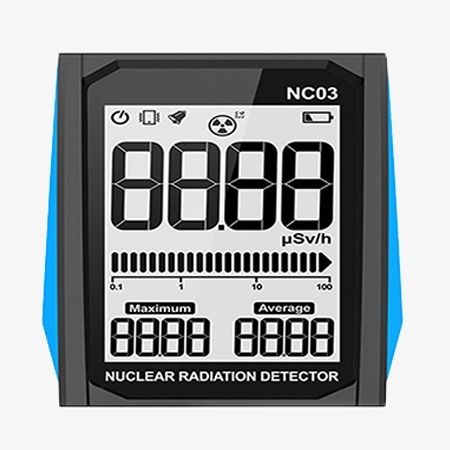
Automatic Day/Night Display Mode
- Automatic Day/Night Display Mode: The detector intelligently switches between bright day mode and low-glare night mode according to ambient light conditions. This ensures clear visibility whether you are conducting inspections outdoors under strong sunlight or checking radiation levels in dim indoor environments.
- Adaptive Backlight Adjustment: The screen brightness adjusts in real time to prevent reflections in daylight and reduce eye strain in the dark, providing a comfortable and accurate reading experience in any lighting situation.
- Enhanced Readability in All Environments: With its high-contrast interface and adaptive display, the detector maintains excellent readability during fieldwork, emergency response, or nighttime monitoring tasks.
- Energy-Efficient Display Control: The automatic brightness system helps reduce unnecessary power consumption, extending battery life during long outdoor operations or extended monitoring sessions.
LED Charging Indicator
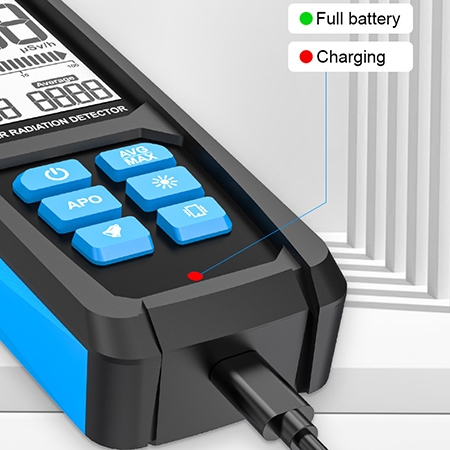
- LED Charging Indicator: The device features a clear dual-color LED indicator near the bottom front. Red light is charging and green light means fully charged.
- Convenient Front-Mounted Charging Port: The charging port is positioned at the lower front of the device, allowing the unit to stand upright while charging without tipping over.
- Large, Responsive Buttons: The keypad uses oversized, soft-touch silicone buttons for easy operation even when wearing gloves. High-contrast blue color improves visibility.
- Low-Angle Charging Visibility: The LED indicator is placed at a forward-tilted angle, making it easy to see charging status even when the device is lying flat on a desk.
Applications
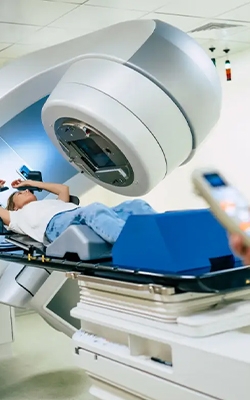
SISCO radiation detector is a device used to detect and measure ionizing radiation, such as alpha, beta, gamma rays, and neutrons. Radiation detectors are used in medical imaging, industrial safety, environmental monitoring, and security to measure ionizing radiation. They help ensure safe radiation levels, detect contamination, and prevent the unauthorized transport of radioactive materials. They’re also crucial in scientific research for studying radiation effects.

Environmental

Security

Industrial
Medical
| Model | SISCO-RD-NC03 |
| Detection Type | Geiger-Müller Tube (GM Tube) |
| Types of Detection Rays | γ-ray, X-ray, β-ray |
| Dose Rate | 0~50000uSv/h (10mSv/h) |
| Energy Range | 48 keV~105 MeV±30% |
| Sensitivity | 80CPM/μSv |
| Display | Large LCD screen |
| Alarm Modes | Sound, vibration, analog bar |
| Charging Voltage | 5V/1A |
| Charging Interface | Type-C |
| Battery Capacity | 1000mAh |
| Weight | 100 g |
Q1: What is a radiation detector?
A1: A radiation detector is a device designed to detect and measure ionizing radiation, such as alpha, beta, gamma rays, and neutrons. These detectors work by sensing the interaction of radiation with matter, often producing an electrical signal that correlates with the intensity or type of radiation present. Radiation detectors come in various types, including Geiger-Müller counters, scintillation detectors, and solid-state detectors, each tailored to detect different forms of radiation or provide varying levels of sensitivity.
Q2: Do radiation detectors need calibration?
A2: Yes, radiation detectors need regular calibration to ensure accurate and reliable measurements. Calibration involves adjusting the detector to account for any changes in its performance over time, which can be caused by factors such as aging components, environmental conditions, or variations in detector sensitivity. Regular calibration helps maintain the accuracy of the readings and ensures that the detector provides precise data for assessing radiation levels. Calibration is typically performed using known radiation sources and may be required by regulatory standards to ensure compliance and safety.
Q3: Can radiation detectors detect non-ionizing radiation?
A3: Most radiation detectors are designed to detect ionizing radiation, such as alpha, beta, gamma rays, and neutrons. Non-ionizing radiation, which includes radio waves, microwaves, infrared, and visible light, requires different types of sensors. For example:
- Radio frequency (RF) meters and electromagnetic field (EMF) meters are used to measure non-ionizing radiation like radio waves and microwaves.
- Photodetectors (such as photodiodes) measure visible light, while infrared sensors detect infrared radiation.
Tips: How often should I test the digital nuclear radiation detector?
You should perform a basic functional check every time before using the detector. This includes ensuring the display powers on normally, the buttons respond correctly, and the device gives a stable background radiation reading. Regular self-checks help you identify battery issues, sensor abnormalities, or operational problems early.
For accuracy and reliability, it is advisable to conduct a more comprehensive performance test or calibration verification every 6–12 months. This is especially important if the detector is used in environments where radiation safety is critical—such as laboratories, industrial sites, medical imaging areas, or when inspecting potentially contaminated materials. Periodic checks help confirm that the GM tube, electronics, and alarm system remain within acceptable accuracy ranges.
If the detector is exposed to extreme temperatures, physical shocks, or unusually high radiation levels, an immediate post-incident test is recommended. These situations can affect the sensitivity of the GM tube or cause temporary instability in readings.
Thank you for buying industrial test and measurement equipment on SISCO.com, all products sold by SISCO and the partner cover a 12 months warranty, effective from the date of receiving the products.
What is covered?
SISCO is responsible for providing free spare parts, and free technical support to assist the customer to repair the defective products until the problem is solved.
What is not covered?
- Product purchased from anyone other than a SISCO store or a SISCO authorized reseller.
- Expendable parts.
- Routine cleaning or normal cosmetic and mechanical wear.
- Damage from misuse, abuse or neglect.
- Damage from use of parts other than SISCO approved.
- Damage from use outside the product’s usage or storage parameters.
- Damage from use of parts not sold by SISCO.
- Damage from modification or incorporation into other products.
- Damage from repair or replacement of warranted parts by a service provider other than a SISCO authorized service provider.
- Damage caused by the application environment not meeting the product usage requirements and the failure to perform preventive maintenance.

Shop on sisco.com for all of your industrial test and measurement equipment & accessories including portable detectors, meters, testers, scales, etc.


