
The photosynthesis tester uses a closed-circuit measurement method to measure factors such as CO2 concentration, light intensity, and gas flow rate, and calculates photosynthetic indicators such as photosynthetic rate, transpiration rate, intercellular CO2 concentration, stomatal conductance, and water use efficiency. Digital photosynthesis tester is widely used in experimental courses in biology, agronomy, horticulture, and forestry.
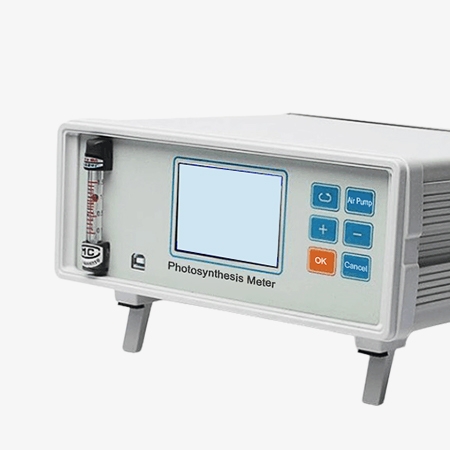
Digital display screen, gas flow meter
- The main unit of the plant photosynthesis tester is equipped with a digital display screen showing real-time data and the operating interface (e.g., photosynthetic rate, gas exchange rate, etc.).
- Multi-function buttons facilitate operation and setting photosynthesis measurement parameters.
- The photosynthesis tester can be equipped with GPS positioning to display latitude and longitude in real time.
- The photosynthesis meter features a gas flow meter for convenient monitoring of gas flow.
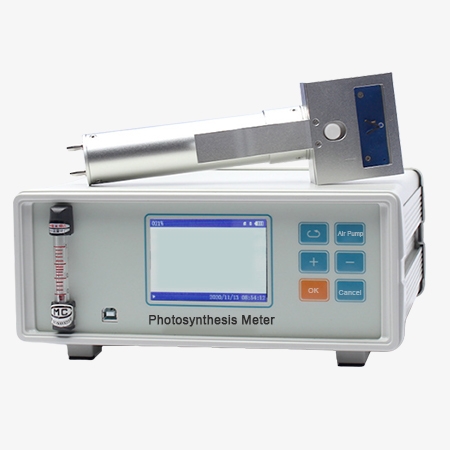
Metal probe, high-precision sensor
- The metal probe of the photosynthesis measuring device can be used to measure the photosynthetic rate of plant leaves. Precisely placing the probe on the plant leaf allows for accurate data acquisition.
- The photosynthesis analyzer incorporates a high-precision sensor for more accurate measurement of gas exchange during photosynthesis.
- The portable photosynthesis meter has data storage and export functions for later analysis.
- By analyzing the CO₂ absorption and O₂ release rates of the leaves, the photosynthesis tester can calculate the photosynthetic rate of the plant.
Application
This photosynthesis meter employs a closed-circuit measurement method and is widely used in photosynthesis experimental research in fields such as biology, agriculture, horticulture, forestry, entomology, microbiology, and zoology. Equipped with different types of leaf chambers, the plant photosynthesis meter is suitable for measuring leaf density in field crops, fruit trees, vegetables, forest trees, and forage grasses. It can also be used to study respiration in soil, seeds, and insects, demonstrating broad application prospects.

Vegetables
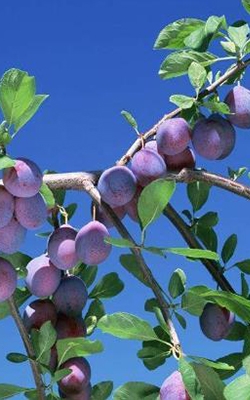
Fruits

Trees

Crops
| Model | SISCO-PM-AW-308D | |
| CO₂ Analysis | Measurement Range | 0-3000 ppm |
| Resolution | 0.1 ppm | |
| Accuracy | ±3 ppm | |
| Temperature changes do not affect carbon dioxide measurement; carbon dioxide difference data acquisition is completed within 1 second. | ||
| Blade Chamber Temperature | Measurement Range | -20℃ ~ 80℃ |
| Resolution | 0.1℃ | |
| Error | ±0.2℃ | |
| Blade Temperature | Measurement Range | -20℃ ~ 60℃ |
| Resolution | 0.1℃ | |
| Error | ±0.2℃ | |
| Humidity | Measurement Range | 0% ~ 85% |
| Resolution | 0.1% | |
| Error | ±1% | |
| Photosynthetically Active Radiation (PAR) | Measurement Range | 0 ~ 3000 µmol·m²·s⁻¹ |
| Accuracy | <5 µmol·m²·s⁻¹ | |
| Response Wavelength Range | 400 ~ 700 nm | |
| Flow Measurement | Measurement Method | Glass rotor flow meter |
| Flow Range | 0.2 ~ 1.5 L/min | |
| Error | 1% | |
| Accuracy | 0.2 ~ 1 L/min, 0.2% | |
| Blade Chamber Dimensions | Standard Dimensions | 55×20mm |
| Operating Environment | Temperature | -20℃ ~ 60℃ |
| Relative Humidity | 0% ~ 85% (No water vapor condensation) | |
| Power Supply | High-capacity DC 8.4V lithium battery | |
| Operating Time | 15 hours of continuous operation | |
| Data Storage | 2GB RAM, expandable to 16GB | |
| Data Transmission | USB connection to computer for data export | |
| Display | 3.5" TFT true-color LCD screen | |
| Resolution 800×480, clearly visible even in strong light | ||
| Volume | 260×260×130 mm | |
| Weight | Main unit 3.25 kg | |
 Plant Photosynthesis Meter User Manual.pdf
Q1: What is a photosynthesis meter?
A1: This photosynthesis meter is an instrument specifically designed to measure the rate of photosynthesis in plants. It assesses the efficiency of photosynthesis by detecting gas exchange (such as carbon dioxide absorption and oxygen release) in plant leaves. Photosynthesis testers are commonly used in agricultural research, plant physiology studies, and environmental monitoring, helping researchers gain a deeper understanding of the photosynthetic process and the plant's response to environmental changes.
Q2: How does a photosynthesis meter work?
A2: The portable photosynthesis meter uses a closed-circuit measurement method. Its working principle involves isolating the plant leaves from the external gases through a sealed leaf chamber (or gas exchange chamber), creating a sealed environment. The photosynthesis analyzer circulates air within the leaf chamber, monitoring real-time changes in the concentrations of carbon dioxide (CO₂) and water vapor (H₂O). When a plant performs photosynthesis, the leaves absorb carbon dioxide and release oxygen, while transpiration occurs, causing changes in water vapor concentration. By measuring these gas changes, the plant photosynthesis meter can calculate physiological parameters such as the plant's photosynthetic rate and transpiration rate, thereby assessing the plant's photosynthetic efficiency.
Q3: What can a photosynthesis meter measure?
A3: This photosynthesis meter can measure factors such as CO2 concentration, air temperature and humidity, photosynthetically active radiation (PAR), plant leaf temperature, light intensity, and gas flow rate. It can also calculate photosynthetic indicators such as photosynthetic rate, transpiration rate, intercellular CO2 concentration, stomatal conductance, and water use efficiency.
Tips: How to use a plant photosynthesis meter?
When using a plant photosynthesis meter, first calibrate the instrument and set the environmental parameters. Place a healthy, intact leaf into the leaf cavity and seal it. Adjust the light, CO₂ concentration, and airflow to stabilize the leaf before starting the measurement. The digital photosynthesis meter will record data such as the leaf's CO₂ absorption and transpiration rate, thereby calculating the photosynthetic rate. After the measurement is completed, remove the leaf and save or export the data for analysis.
Thank you for buying industrial test and measurement equipment on SISCO.com, all products sold by SISCO and the partner cover a 12 months warranty, effective from the date of receiving the products.
What is covered?
SISCO is responsible for providing free spare parts, and free technical support to assist the customer to repair the defective products until the problem is solved.
What is not covered?
- Product purchased from anyone other than a SISCO store or a SISCO authorized reseller.
- Expendable parts.
- Routine cleaning or normal cosmetic and mechanical wear.
- Damage from misuse, abuse or neglect.
- Damage from use of parts other than SISCO approved.
- Damage from use outside the product’s usage or storage parameters.
- Damage from use of parts not sold by SISCO.
- Damage from modification or incorporation into other products.
- Damage from repair or replacement of warranted parts by a service provider other than a SISCO authorized service provider.
- Damage caused by the application environment not meeting the product usage requirements and the failure to perform preventive maintenance.

Shop on sisco.com for all of your industrial test and measurement equipment & accessories including portable detectors, meters, testers, scales, etc.


