
The digital Barcol hardness tester is equipped with an indenter and support mechanism, making it compact, lightweight, and highly sensitive with a resolution of 0.1 HBa. It features a balance positioning device, a digital hardness display. The digital aluminum hardness tester can be widely used for hardness testing of aluminum processing materials.
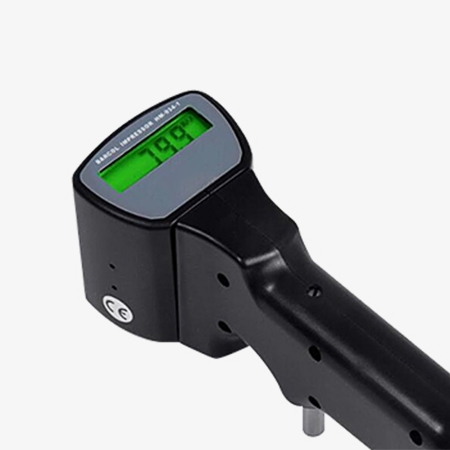
Robust design, digital LCD display
- Portable barcol hardness testers equipped with a high-definition digital display for directly showing hardness values.
- The aluminum hardness tester comes with an indenter containing a spring-loaded mechanism. The indenter (insertion rod) at the front is used to press into the material surface, creating a tiny indentation, which depth of indentation indicates the sample's hardness.
- The digital barcol hardness tester features a pistol-like housing design with an ergonomic handle for stable one-handed operation. The hardness meter's compact and portable structure makes it particularly suitable for rapid on-site testing.
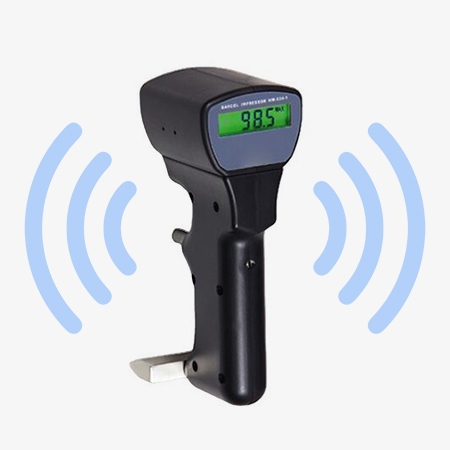
Bluetooth connectivity, wide measurement range
- The handheld hardness tester has data transmission capabilities. With an optional Bluetooth adapter and online software, measurement data can be transmitted to a computer in real time.
- The portable hardness testing machine includes a balance positioning device, a digital hardness value display, and a non-disassembly hardness value calibration and adjustment device.
- The barcol hardness tester is suitable for testing extra-large and extra-thick workpieces and assemblies. The hardness tester has a maximum value hold function and a maximum hardness value recording function.
Application
Digital Barcol hardness testers are specially used to measure the hardness of aluminum, including pure aluminum, aluminum alloys, aluminum sheets and strips, aluminum profiles, aluminum bars, aluminum castings, aluminum forgings, and aluminum alloy products. Barcol hardness testers can be used for hardness testing of aluminum components in lightweight automotive parts, the construction and decoration industry, and precision electronic manufacturing.

Automotive Component Quantification

Precision Electronics Manufacturing

Building Decoration
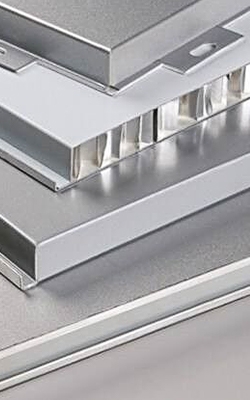
Aluminum Alloy Testing
| Model | SISCO-HT-BA-1 |
| Measurement Range | 0~100HBa(25~135HBW) |
| Resolution | 0.1HBa |
| Indication Error | 81~ 88HBa±1HBa 42~48HBa±2Hba |
| Repeatability Error | 81~ 88HBa±1.5HBa 42~ 48HBa±2.5HBa |
| Operating Environment | Temperature: 0~50°C Humidity: <80%RH |
| Power Supply | 2 AAA batteries |
| Dimensions | 170x63x82mm |
| Weight | 390g (excluding batteries) |
| Maximum Hold Function | √ |
Q1: What is a Barcol Hardness Tester?
A1: This portable barcol hardness tester is an instrument specifically designed to measure the hardness of aluminum alloys and related materials. It uses the Barcol hardness test method for hardness testing. Handheld barcol hardness tester works by applying a known force to a steel ball or a hard material ball and pressing it into the aluminum surface, measuring the diameter of the indentation, and then calculating the hardness value based on the size of the indentation.
Q2: How the Barcol Hardness Tester Works
A2: The aluminum alloy sample is placed flat on the stage of the handheld hardness tester. A suitable load is selected, and then a standard indenter is pressed vertically into the aluminum surface, held for a certain period to create an indentation. The diameter of the indentation is then measured, and the hardness value of the aluminum is calculated using the Barcol hardness formula based on the size of the indentation and the applied load. The entire process is displayed directly on the digital barcol hardness tester's screen, providing a fast and accurate reflection of the aluminum alloy's hardness performance.
Q3: How to Calibrate a Barcol Hardness Tester?
A3: The calibration of a hardness meter for metals is usually performed using a standard hardness block with a known hardness value. First, the standard hardness block is placed on the stage of the aluminum hardness tester, and the hardness test is performed according to the normal testing procedure. The measured hardness value is recorded. Then, compare the test results with the known hardness value of a standard hardness block. If there is a discrepancy, correct the error by adjusting the hardness tester reading or calibration settings to ensure accurate measurement. To maintain long-term measurement accuracy, it is recommended to calibrate regularly using a standard block, especially after equipment relocation or prolonged use.
Thank you for buying industrial test and measurement equipment on SISCO.com, all products sold by SISCO and the partner cover a 12 months warranty, effective from the date of receiving the products.
What is covered?
SISCO is responsible for providing free spare parts, and free technical support to assist the customer to repair the defective products until the problem is solved.
What is not covered?
- Product purchased from anyone other than a SISCO store or a SISCO authorized reseller.
- Expendable parts.
- Routine cleaning or normal cosmetic and mechanical wear.
- Damage from misuse, abuse or neglect.
- Damage from use of parts other than SISCO approved.
- Damage from use outside the product’s usage or storage parameters.
- Damage from use of parts not sold by SISCO.
- Damage from modification or incorporation into other products.
- Damage from repair or replacement of warranted parts by a service provider other than a SISCO authorized service provider.
- Damage caused by the application environment not meeting the product usage requirements and the failure to perform preventive maintenance.

Shop on sisco.com for all of your industrial test and measurement equipment & accessories including portable detectors, meters, testers, scales, etc.


