
Tint Meters
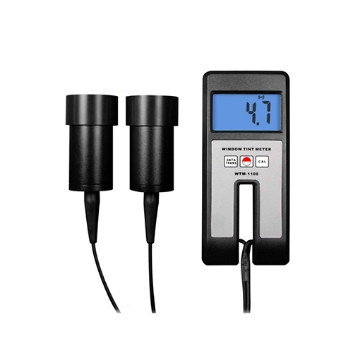
Car Window Tint Meter

Light Transmission Meter
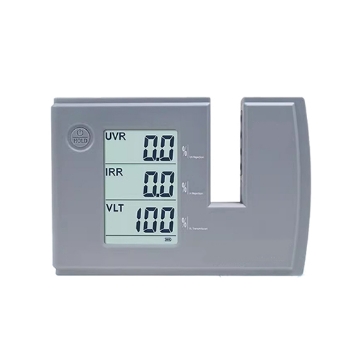
Solar Film Transmission Meter
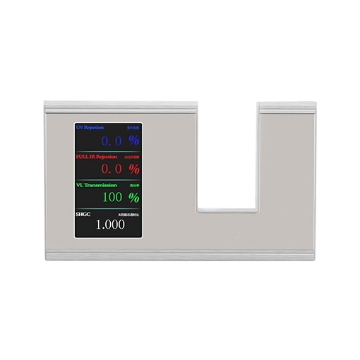
Spectrum Transmission Meter
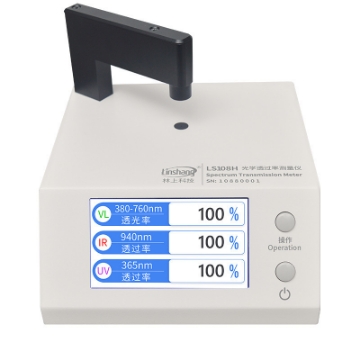
Visible Light Transmission Meter
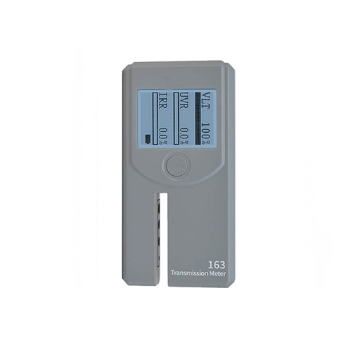
Window Tint Meter
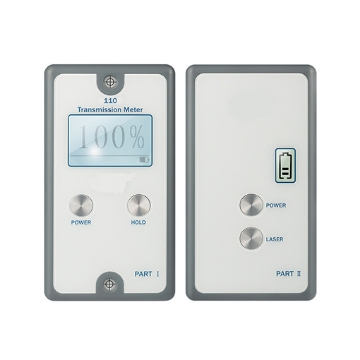
Windshield Tint Meter
Tint meters are precision instruments designed to measure the level of tint or shading applied to windows, primarily in vehicles, buildings, and other glass surfaces. These meters are used to ensure compliance with legal standards for visible light transmittance (VLT), which specifies the percentage of light that can pass through tinted windows.
SISCO offers many models offer different modes for various applications, such as vehicle inspection, building glass evaluation, or even checking tinted sunroofs. The tint testers are equipped with easy-to-read digital displays, and they allow users to quickly assess the light transmittance of a window. They are essential tools for automotive technicians, window film installers, and inspectors who need to verify that window tinting meets regulatory requirements.
Tint meter calibration method
To calibrate a tint meter, first turn on the instrument and allow it to warm up for a few minutes to stabilize the light source. Most tint readers have a zero-point calibration or air calibration function. When performing this procedure, ensure that no glass is placed between the sensor units. Next, use the included calibration standard or a calibration glass with a known Visible Light Transmittance (VLT) value. Insert the calibration glass between the instrument's light source and detector, and adjust the instrument according to the instruction manual until the measured value matches the standard value. Calibration should be performed in a clean, stable lighting environment, and the instrument's optical surfaces should be kept clean to ensure accuracy.
Tint meter working principle
A tint meter enforcer works by measuring the visible light transmittance (VLT) of glass. It typically consists of a light source placed on one side of the glass and a light sensor on the opposite side. When the tint tester is clipped onto a window, light passes through the glass, and the sensor measures the intensity of the light that reaches it. The window tint gauge then compares the intensity of the received light to the intensity of the light initially emitted and calculates the percentage of light that passed through the glass. This percentage is displayed as the VLT value. In short, a tint check meter measures how much light the glass blocks or transmits, making it an essential instrument for glass transmittance testing in automotive, construction, and regulatory applications.



Shop on sisco.com for all of your industrial test and measurement equipment & accessories including portable detectors, meters, testers, scales, etc.


