
SISCO NH3 gas sensor is an electrochemical ammonia sensor with 0-100ppm measurement range. This NH3 sensor features 0.5ppm resolution, <90s response time, and high stability. The air quality sensor offers reliable ammonia detection for integration.
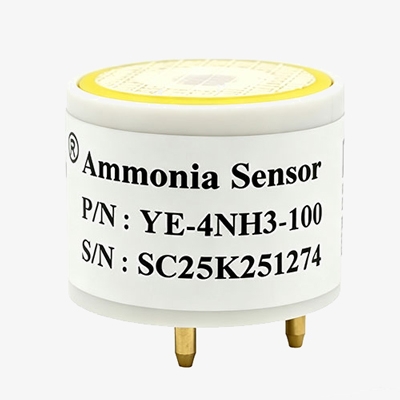
High-Precision Ammonia Detection
- The ammonia gas sensor offers a measurement range of 0-100ppm with a maximum load of 200ppm, allowing the NH3 sensor to cover a wide span of ammonia concentrations.
- It achieves a resolution of 0.5ppm, enabling the air quality sensor to identify small changes in ammonia levels and deliver precise readings.
- The electrochemical ammonia sensor provides a sensitivity of 160 ± 40 nA/ppm, producing a current signal proportional to NH3 concentration for accurate detection.
- With a response time of less than 90 seconds (T90), the NH3 sensor quickly reflects changes in ammonia concentration and ensures timely data output.
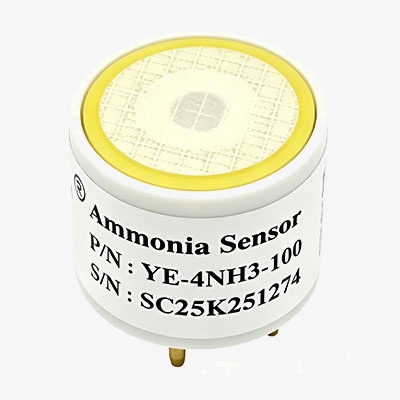
Low Power and Long-Term Stability
- The NH3 sensor is designed with low power consumption, making the air quality sensor suitable for continuous operation without high energy demand.
- It maintains long-term stability of less than 2% signal value per month, reducing drift and the need for frequent calibration.
- This ammonia sensor provides a service life of at least 24 months, ensuring extended use and lower replacement frequency.
- It delivers strong anti-interference performance and stable operation across -30°C to 50°C and 15-90%RH, maintaining reliable output under varying conditions.
Applications
SISCO ammonia (NH3) gas sensor is widely used in industrial ammonia monitoring, livestock farming, atmospheric detection, and chemical laboratories, providing reliable electrochemical ammonia sensor performance for NH3 measurement.

Atmospheric Monitoring

Chemical Laboratory
Industrial NH3 Detection

Livestock Farming
| Model | SISCO-GS-NH3-100 |
| Sensor Technology | Electrochemical ammonia sensor / NH3 sensor |
| Target Gas | NH3 / Ammonia |
| Measurement Range | 0-100 ppm |
| Maximum Load | 200 ppm |
| Sensitivity | 160 ± 40 nA/ppm |
| Resolution | 0.5 ppm |
| Response Time (T90) | < 90 s |
| Long-Term Stability | < 2% signal value/month |
| Service Life | ≥ 24 months |
| Operating Temperature | -30°C to 50°C |
| Operating Humidity | 15% - 90% RH (non-condensing) |
| Operating Pressure | 90 kPa - 110 kPa |
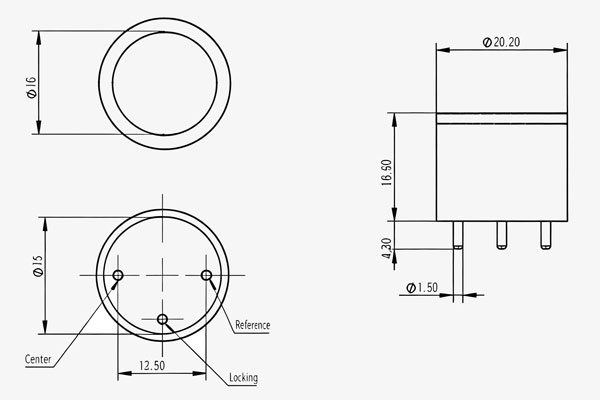
| Dimensions | Φ20.2 × 20.9 mm |
| Output Signal | Current proportional to NH3 concentration |
| Connection | PCB socket connection; soldering prohibited |
| Storage Condition | Working electrode and reference electrode short-circuited |
| Weight | 5 g |
Dimensions (unit: mm)
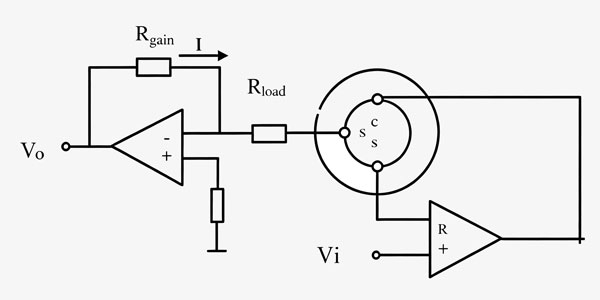
Basic Circuit Diagram

Q1: What is the measurement range, resolution, and sensitivity of this ammonia (NH3) gas sensor?
A1: This ammonia (NH3) gas sensor covers a 0-100ppm range with a maximum load of 200ppm, and it delivers a resolution of 0.5ppm plus a sensitivity of 160 ± 40 nA/ppm. The NH3 sensor produces a current proportional to ammonia concentration, enabling accurate ammonia detection for the air quality sensor.
Q2: How does the electrochemical ammonia sensor detect NH3 concentration?
A2: The electrochemical ammonia sensor works through oxidation-reduction reactions at the working and counter electrodes, generating a current proportional to NH3 concentration. This allows the NH3 sensor and air quality sensor to determine ammonia levels accurately and reliably.
Q3: What is the response time and operating environment of this NH3 sensor?
A3: This NH3 sensor offers a response time of less than 90 seconds (T90), quickly reflecting changes in ammonia concentration. The air quality sensor operates from -30°C to 50°C and 15-90%RH, maintaining stable performance under varying conditions.
Tips: What should be considered when installing this ammonia (NH3) gas sensor into a detection system?
- Mount the NH3 sensor in a position with steady airflow so the air quality sensor can sample ammonia representatively.
- Use a compatible socket for the air quality sensor pins without applying mechanical stress to the electrochemical ammonia sensor.
- Shield the NH3 sensor from strong electromagnetic sources to prevent signal noise in ammonia measurement.
- Confirm that the air quality sensor output current responds proportionally to NH3 concentration during system testing.
- Allow the electrochemical ammonia sensor to stabilize after installation before collecting reliable ammonia data.
Thank you for buying industrial test and measurement equipment on SISCO.com, all products sold by SISCO and the partner cover a 12 months warranty, effective from the date of receiving the products.
What is covered?
SISCO is responsible for providing free spare parts, and free technical support to assist the customer to repair the defective products until the problem is solved.
What is not covered?
- Product purchased from anyone other than a SISCO store or a SISCO authorized reseller.
- Expendable parts.
- Routine cleaning or normal cosmetic and mechanical wear.
- Damage from misuse, abuse or neglect.
- Damage from use of parts other than SISCO approved.
- Damage from use outside the product’s usage or storage parameters.
- Damage from use of parts not sold by SISCO.
- Damage from modification or incorporation into other products.
- Damage from repair or replacement of warranted parts by a service provider other than a SISCO authorized service provider.
- Damage caused by the application environment not meeting the product usage requirements and the failure to perform preventive maintenance.

Shop on sisco.com for all of your industrial test and measurement equipment & accessories including portable detectors, meters, testers, scales, etc.


