
Water turbidity meter is an advanced digital turbidity analyzer with a measuring range of 400 NTU, suitable for laboratory and industrial water testing. The SISCO benchtop digital turbidimeter provides fast and reliable turbidity readings for drinking water, wastewater, and surface water analysis with excellent repeatability and easy operation.
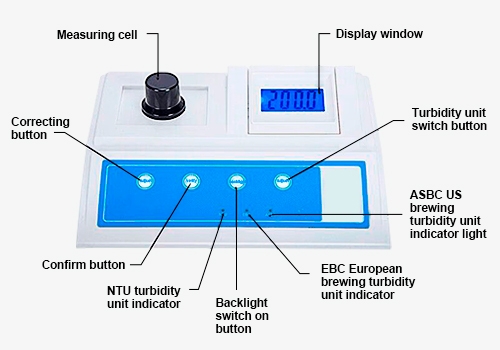
High Precision and Stability
- The benchtop digital turbidity meter features an LCD display with backlight for clear and intuitive reading, ensuring excellent visibility even under low-light or strong ambient light conditions.
- The benchtop turbidity meter adopts a high-precision optical path system to ensure accurate turbidity measurement, excellent repeatability, and stable testing performance for water quality analysis.
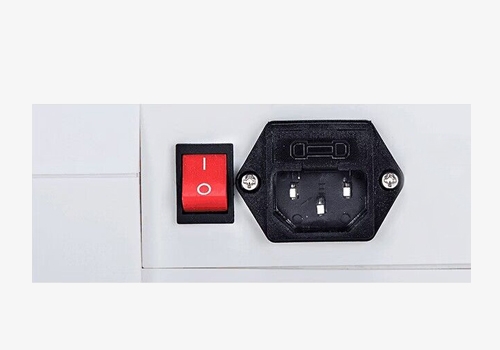
Wide Measurement Range Turbidity Meter for Water Testing
- The turbidity meter offers a wide measurement range, making it suitable for various industries such as water treatment, environmental monitoring, and laboratory analysis.
- The turbidity meter supports dual power supply modes, AC and DC, providing flexible operation for both laboratory use and field testing, ensuring convenient and portable measurement.
Applications
The turbidity meter is widely used for drinking water quality testing, wastewater treatment, environmental monitoring, and laboratory water analysis. It is suitable for measuring turbidity in rivers, lakes, reservoirs, and industrial process water, helping ensure water quality control, regulatory compliance, and reliable water clarity assessment in various industries.

Wine Industry

Pharmaceutical
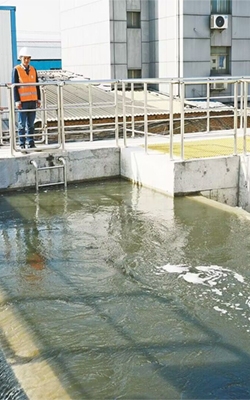
Sewage disposal

Water Quality
| Model | SISCO-SGZ-400A |
| Measuring Principle | 90° Scattered Light |
| Measuring Range (NTU) | 0 - 200, 200 - 400 |
| Working Voltage | 110-240VAC, 50/60HZ |
| Reading Accuracy | 0.01 |
| Reading Stability | ± 1.5% (F.S 30min) |
| Ambient Temperature | 0~40℃ |
| Relative Humidity | no more than 85%RH |
| Zero Drift | ± 1.5% (F.S 30min) |
| Repeatability (Linearity Error) | ≤ 2% |
| Indication Error (Basic Error) | ± 6% |
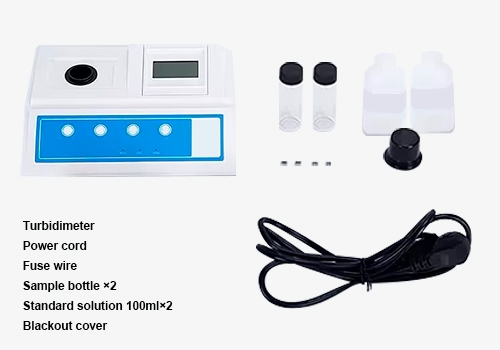
Packing List
- 1 x Turbidity meter
- 1 x Power cord
- 2 x Sample bottles
- 2 x 100ml standard solution
- 1 x Blackout cover

Q1: What is the turbidity meter used for?
A1: The turbidimeter is an instrument used for measuring the turbidity of a liquid by determining the degree to which particles suspended in the solution decrease the intensity of light lost as a beam is passed through it. The devices are considered important tools for monitoring water quality.
Q2: What is a turbidity meter?
A2: A turbidity meter is a water quality testing instrument used to measure the cloudiness or haziness of water caused by suspended particles such as silt, clay, algae, and organic matter. It is widely used in drinking water testing, wastewater treatment, environmental monitoring, and laboratory analysis to ensure water safety and quality compliance.
Q3: What precautions should be taken during turbidity meter?
A3: 1. Measure in time after sampling to avoid the lack of authenticity of the measurement results due to temperature changes and water sample particle settlement.
2. The sample bottle must be cleaned very clean to avoid scratches and scratches.
Tips: How does a turbidimeter work?
A turbidimeter works by sending a light beam into the water to be tested. This light will then be scattered by any suspended particles. A light detector is placed at a 90 degree angle to the light source, and detects the amount of light that is reflected back at it.
Thank you for buying industrial test and measurement equipment on SISCO.com, all products sold by SISCO and the partner cover a 12 months warranty, effective from the date of receiving the products.
What is covered?
SISCO is responsible for providing free spare parts, and free technical support to assist the customer to repair the defective products until the problem is solved.
What is not covered?
- Product purchased from anyone other than a SISCO store or a SISCO authorized reseller.
- Expendable parts.
- Routine cleaning or normal cosmetic and mechanical wear.
- Damage from misuse, abuse or neglect.
- Damage from use of parts other than SISCO approved.
- Damage from use outside the product’s usage or storage parameters.
- Damage from use of parts not sold by SISCO.
- Damage from modification or incorporation into other products.
- Damage from repair or replacement of warranted parts by a service provider other than a SISCO authorized service provider.
- Damage caused by the application environment not meeting the product usage requirements and the failure to perform preventive maintenance.

Shop on sisco.com for all of your industrial test and measurement equipment & accessories including portable detectors, meters, testers, scales, etc.


