
SISCO transducer uses a flush corrugated diaphragm to reduce material accumulation around the pressure-sensing surface. It is available with threaded and tri-clamp connections for different installation requirements and supports gauge, absolute, and sealed gauge pressure measurement. With multiple output signals, IP65 protection, and media temperature capability from -30°C to +105°C.
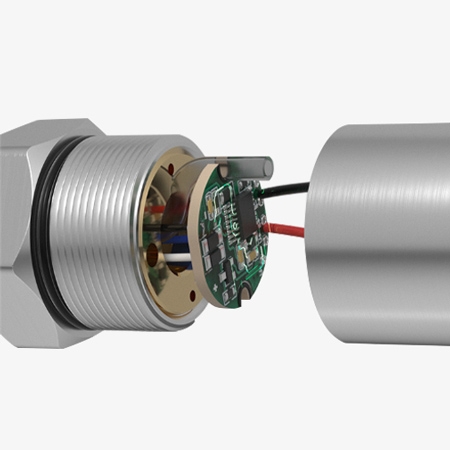
- Flush Diaphragm & Corrugated Membrane Design: This diaphragm pressure transducer adopts a corrugated flush diaphragm to directly capture pressure signals. Its large contact surface greatly reduces scaling buildup, supports stable measurement of high-viscosity fluids, and prevents blockages from sludge and sticky media.
- Digital Circuit Board with Superior Anti‑Interference Capacity: Equipped with a digital PCB that complies with EFT Level 3A standard. It provides robust protection against surge and pulse interference, ensuring steady operation in complex industrial environments.
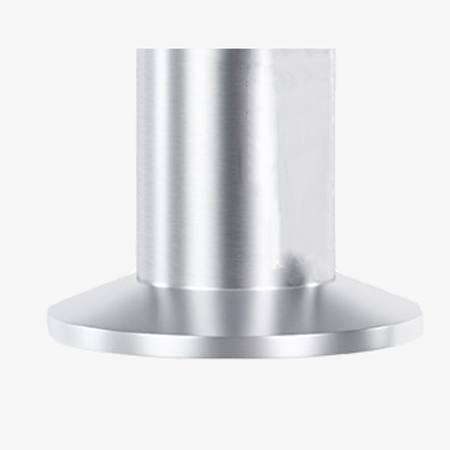
- Clog‑Resistant Structure Without Pressure Lead Hole: Engineered with no pressure guiding hole, this flush diaphragm pressure transmitter maintains accurate readings for liquids mixed with solid impurities, making it well suited for working conditions with contaminated media.
- 316L Stainless Steel Construction: Constructed from 316L stainless steel, this diaphragm pressure sensor features outstanding corrosion and rust resistance for extended service life even in aggressive media.
- Venting Structure for Stable Zero Point: Special gas guide venting design keeps zero point stable and ensures consistent, precise pressure readings.
Applications
This sanitary diaphragm pressure transducer is compatible with media including water, weak acid, weak alkali and other fluids suitable for 316L stainless steel. It is widely deployed across food, pharmaceutical, sanitary and brewing industries, capable of adapting to diverse working conditions.

Pharmaceutical Industry

Healthcare Industry

Brewing Industry

Food Industry
| Model | SISCO-PS-MIK-P350 |
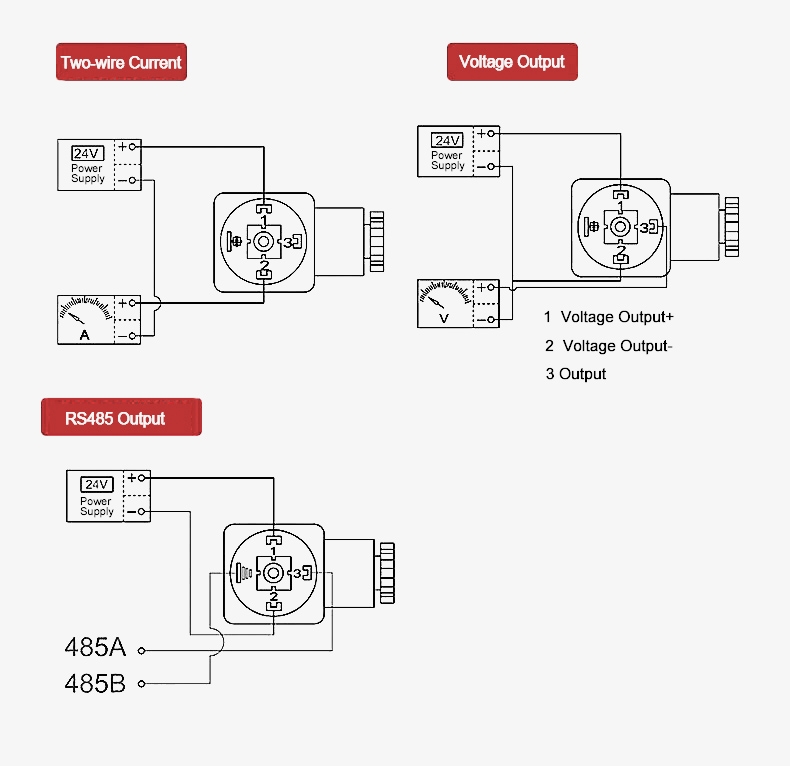
| Power Supply | 4-20mA output, 0-10V output (12-36V); RS485 output (12-30V) |
| Output Signal | 4~20mA, 1~5V, 0~10V, 0~5V, RS485 |
| Accuracy | 0.5 Grade |
| Measuring Range | ①Threaded flush diaphragm: -0.1…0…10MPa (Minimum range ≥10kPa) ② Tri-clamp flush diaphragm: -0.1…0…3.5MPa (Minimum range ≥10kPa) |
| Pressure Type | Gauge Pressure, Absolute Pressure, Sealed Gauge Pressure |
| Compensated Temperature | -10℃ ~ 70℃ |
| Operating Temperature | -20℃ ~ 85℃ |
| Media Temperature | -30℃ ~ 105℃ |
| Storage Temperature | -40℃ ~ 125℃ |
| Zero Thermal Drift | ±0.3%FS/10℃ |
| Span Thermal Drift | ±0.3%FS/10℃ |
| Overpressure | 150%FS |
| Long-term Stability | ±0.2%FS/Year |
| Response Time | Current output ≤10ms (rise to 90%FS) Voltage output ≤25ms (rise to 90%FS) RS485 output ≤100ms (rise to 90%FS) |
| Insulation Resistance | 100MΩ, 250VDC |
| Ingress Protection | IP65 |
| Load Resistance | (U-9V)/0.02A, U: Supply Voltage |
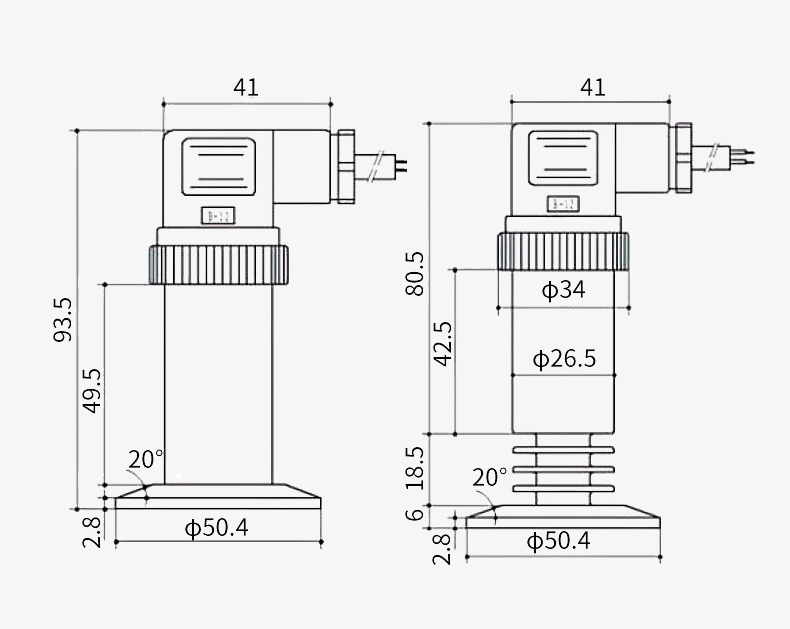
Dimensions (unit: mm)
Wiring Diagram
Q1: What is a diaphragm pressure transducer?
A1: A diaphragm pressure transducer is a pressure measurement device that uses a diaphragm to detect pressure changes and convert them into electrical signals.
Q2: What are the advantages of a flush diaphragm pressure transducer?
A2: A flush diaphragm pressure transducer features a sensing diaphragm that sits flush with the process connection, eliminating the need for a conventional pressure inlet hole. This design helps minimize clogging and material accumulation when measuring high-viscosity fluids, sludge, and contaminated liquids, supporting more stable pressure measurement in demanding industrial environments.
Q3: Is a diaphragm pressure transducer suitable for high-viscosity fluids?
A3: Yes. A flush diaphragm design is well suited to many high-viscosity fluids because it reduces narrow passages where thick materials can accumulate. It can be used in compatible viscous liquids, pastes, and other challenging media when the pressure range and temperature limits meet the process requirements.
Tips: How can I prevent measurement errors when using a diaphragm pressure transducer?
To prevent measurement errors when using a diaphragm pressure transducer, select the appropriate pressure range and pressure type, ensure the process media is compatible with the wetted materials, and follow the recommended installation procedures. Keep the flush diaphragm clean, verify power supply and output signal compatibility, minimize electrical interference, and perform regular calibration and maintenance to maintain reliable pressure readings.
Thank you for buying industrial test and measurement equipment on SISCO.com, all products sold by SISCO and the partner cover a 12 months warranty, effective from the date of receiving the products.
What is covered?
SISCO is responsible for providing free spare parts, and free technical support to assist the customer to repair the defective products until the problem is solved.
What is not covered?
- Product purchased from anyone other than a SISCO store or a SISCO authorized reseller.
- Expendable parts.
- Routine cleaning or normal cosmetic and mechanical wear.
- Damage from misuse, abuse or neglect.
- Damage from use of parts other than SISCO approved.
- Damage from use outside the product’s usage or storage parameters.
- Damage from use of parts not sold by SISCO.
- Damage from modification or incorporation into other products.
- Damage from repair or replacement of warranted parts by a service provider other than a SISCO authorized service provider.
- Damage caused by the application environment not meeting the product usage requirements and the failure to perform preventive maintenance.

Shop on sisco.com for all of your industrial test and measurement equipment & accessories including portable detectors, meters, testers, scales, etc.


