
Gloss Meters
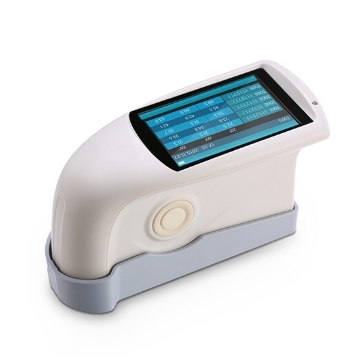
Digital Gloss Meter 60 Degree, 0~1000 GU
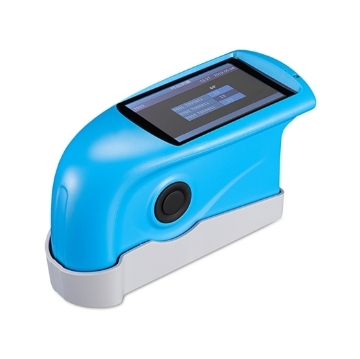
Digital Gloss Meter 60 Degree, 0~200 GU
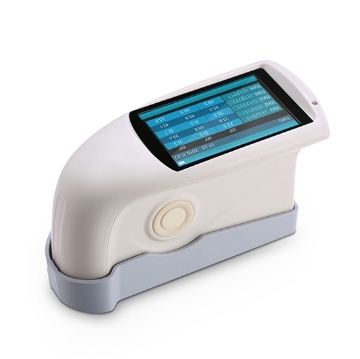
Digital Gloss Meter 60 Degree, 0~300 GU
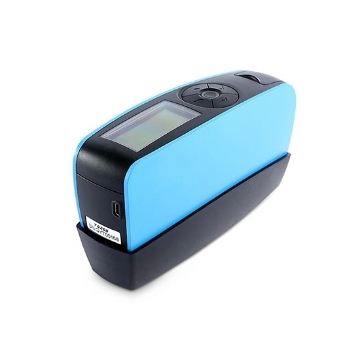
Digital Gloss Meter 85/60/20 Degree, 0~160/1000/2000 GU
Gloss meters are used for gloss measurement of paints, marble, ceramics, plastics, metals, etc. When choosing the correct gloss measurement angle, it is important to consider the gloss range of the surface. Common measurement angles are 20°, 45°, 60°, 75° and 85°.
SISCO offers digital gloss meters 200/300/1000/2000 GU, widely used in industries such as chemical raw materials, paint manufacturing, aerospace industry, automotive industry, car maintenance, floor polishing, electronics, electrical appliances and IT communications.
What does GU mean in a gloss meter?
GU (Gloss Unit) in a gloss meter is the internationally recognized gloss measurement units, representing the degree of light reflection from a sample surface compared to a standard black glass. A higher GU value indicates a brighter, more reflective surface; a lower GU value indicates a more matte surface. Depending on the gloss level, different measurement angles (20°, 60°, or 85°) are typically chosen to obtain the most accurate reading.
What is the function of a gloss tester?
The function of a digital gloss meter is not only to measure gloss but also to assist companies in quality control, process optimization, and appearance consistency management. During production, real-time gloss measurement allows for quick assessment of the uniformity of coatings or surface treatments, preventing issues such as color differences, hotspots, or inconsistent brightness. For industries requiring strict appearance standards (such as automotive and high-end furniture), a gloss tester meter is an indispensable testing device.
How to calibrate a gloss meter?
Calibrating a portable gloss meter typically uses a standard black glass calibration plate provided by the manufacturer. Before calibration, ensure the calibration plate surface is clean and free of dust or fingerprints, and avoid prolonged exposure to air to prevent aging. During calibration, place the gloss level meter on the standard plate and follow the instrument's instructions to enter the calibration procedure, ensuring the instrument reading matches the calibrated value of the plate. Regular calibration (e.g., before each use) ensures the gloss measurement device maintains accuracy over time and avoids errors caused by scratches or contamination of the calibration plate.



Shop on sisco.com for all of your industrial test and measurement equipment & accessories including portable detectors, meters, testers, scales, etc.


