
The LED light meter consists of two high-precision, portable LED lux meters. Its core function is professional luminance measurement (unit: cd/m²), suitable for various scenarios from everyday lighting to professional inspection.
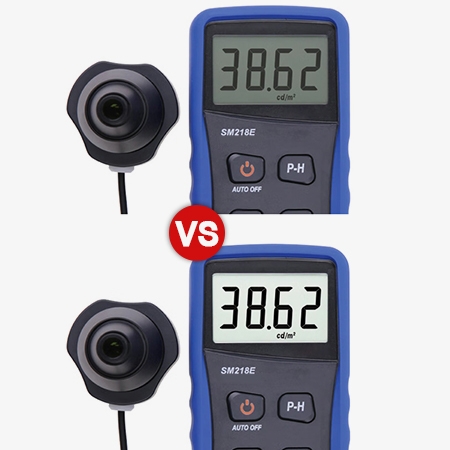
Matching Close-range Small-size / Medium-range General-purpose Measurements
- The lux meter for LED lights has a testing range of 0.01-39990 cd/m², capable of handling both everyday lighting inspections and professional high-brightness scenarios.
- The high resolution of 0.01 cd/m² enables precise capture of subtle changes in light intensity. This high resolution is particularly important in situations requiring precise adjustment of the lighting environment.
- The SM218E has a closer measurement distance (≤0.1m) and requires a smaller target size (≥10mm), making it particularly suitable for measuring small-sized or close-range light sources, while the SM208E (measurement distance ≤0.5m) is suitable for more general mid-range measurement scenarios.
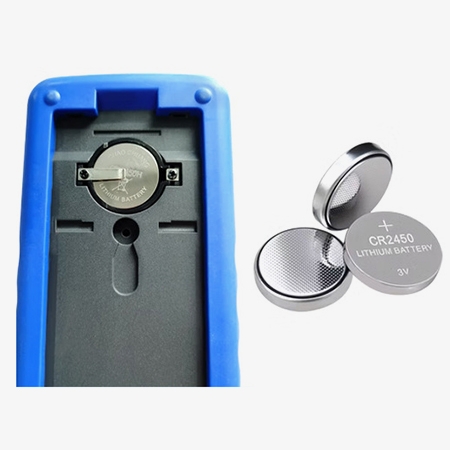
Optimized Low-light Measurement Accuracy
- The luxmeters overload display function automatically displays "OL" when the measured value exceeds the range, avoiding misreading.
- The SM218E also features a zero-input error adjustment function, allowing zero-point calibration at the 40 cd/m² setting. By subtracting the background reading, it further improves measurement accuracy in low-light environments.
- Powered by a button cell battery, it boasts a continuous usage life of approximately 300 hours (without backlight), offering excellent battery life. It also features an automatic shutdown function after 5 minutes, which reduces battery wear and enhances ease of use.
Applications
SISCO's lux meters are widely used for light monitoring and measurement in lighting enterprises, agriculture and livestock, industry and mining, laboratories, offices, medical institutions, home applications, street lighting construction and other industries.
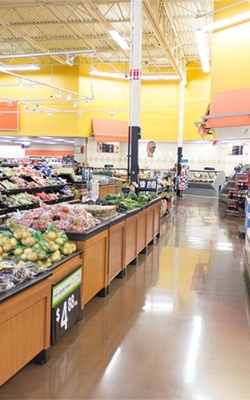
School

Factory
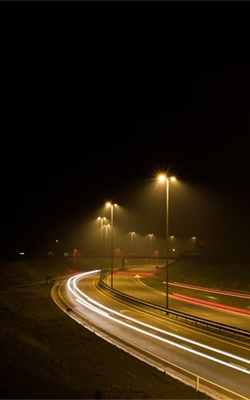
Workshop

Office
| Model | SISCO-LM-SM208E | SISCO-LM-SM218E |
| Display | 3 3/4-digit LCD display, maximum reading 3999 | |
| Overload Display | Overload display "OL". | |
| Measurement Range | 0.01~39990cd/m2 | |
| Measurement Distance | ≤0.5m | ≤0.1m |
| Target Size | ≥20mm | ≥10mm |
| Resolution | 0.01cd/m2 | |
| Indication Error | ≤±(8% reading+1digit) | |
| Zero Input Error | No | ≤10 digits (only for 40cd/m2 range, the result is more accurate after subtracting the zero point reading) |
| Linearity Error | ≤±(0.5% reading+1digit) | |
| Temperature Characteristics | ≤±(0.1% reading+1digit) | |
| Operating Temperature and Humidity | 0°C~40°C (32°F~104°F), 0~70%RH | |
| Storage Temperature and Humidity | -10°C~50°C (14°F~122°F), 0~80%RH | |
| Power Supply | 3 CR24503V button lithium batteries | |
| Battery Life | Approximately 300 hours of continuous use (without backlight) | |
| Automatic Shutdown Delay Time | 5 minutes | |
| Dimensions | Main Unit: 160mmx78mmx34mm | |
| Weight | Probe: φ50 (probe diameter)x80mm (height) | |
| Probe extension cable: 1000mm | ||
| Approx. 390g (including battery and probe) | Approx. 360g (including battery and probe) | |
Q1: What is a lux meter and how does it work?
A1: A lux meter, also known as an illuminance meter, is a device used to measure the amount of light falling on a surface. It works by using a photodiode or photovoltaic cell to convert light energy into an electrical signal, which is then processed and displayed as a reading in lux units.
Q2: What are some common applications of lux meters?
A2: Lux meters are commonly used in a variety of industries and settings, including photography, film production, architecture, and interior design. They are also used in industrial settings to ensure proper lighting levels for worker safety and productivity.
Q3: How to calibrate a lux meter?
A3: Calibrating a lux meter typically involves comparing its readings to a known standard light source of a specific brightness level. This can be done using a calibration light box or similar device, and the process may vary depending on the specific type and model of the lux meter being used. It is generally recommended to have a lux meter professionally calibrated on a regular basis to ensure accuracy.
Tips: What sources of error should be considered when using a Lux Meter?
The main sources of error when using a Lux Meter are non-uniform spectral response, deviations in the angle of incidence of light, sensor obstruction or reflection, and drift caused by uncalibrated instruments or long-term use. These factors can affect the accuracy of the readings and should be avoided or corrected as much as possible during measurement.
Thank you for buying industrial test and measurement equipment on SISCO.com, all products sold by SISCO and the partner cover a 12 months warranty, effective from the date of receiving the products.
What is covered?
SISCO is responsible for providing free spare parts, and free technical support to assist the customer to repair the defective products until the problem is solved.
What is not covered?
- Product purchased from anyone other than a SISCO store or a SISCO authorized reseller.
- Expendable parts.
- Routine cleaning or normal cosmetic and mechanical wear.
- Damage from misuse, abuse or neglect.
- Damage from use of parts other than SISCO approved.
- Damage from use outside the product’s usage or storage parameters.
- Damage from use of parts not sold by SISCO.
- Damage from modification or incorporation into other products.
- Damage from repair or replacement of warranted parts by a service provider other than a SISCO authorized service provider.
- Damage caused by the application environment not meeting the product usage requirements and the failure to perform preventive maintenance.

Shop on sisco.com for all of your industrial test and measurement equipment & accessories including portable detectors, meters, testers, scales, etc.


