
A mini sound level meter is a compact, handheld instrument designed to measure the intensity of sound in decibels (dB). It typically uses a sensitive built-in microphone to capture sound waves (equipped a windproof sponge), convert it into numbers and display on the screen. The non-slip side design ensures that the decibel meter fits easily in the hand.
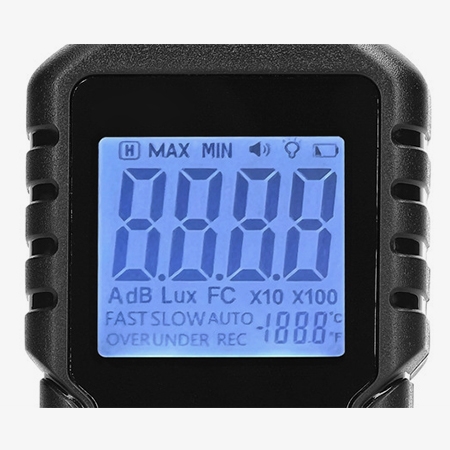
Small Size, Digital & Backlit Display
- Precision and Accuracy. A digital sound level meter provides highly accurate readings with minimal human error.
- Portability and Convenience. Its compact design allows users to carry it easily in a pocket, bag, or toolkit, making it ideal for professionals who need to conduct measurements at multiple locations.
- Improved Visibility in Low-Light Conditions. One of the most immediate benefits of a backlit display is enhanced visibility. Many sound measurement tasks occur in dimly lit or dark areas, such as nighttime construction sites, theaters, industrial facilities, or outdoor environments after sunset. The backlit display ensures that the display readings are clearly visible, reducing the risk of misreading values and improving overall efficiency.
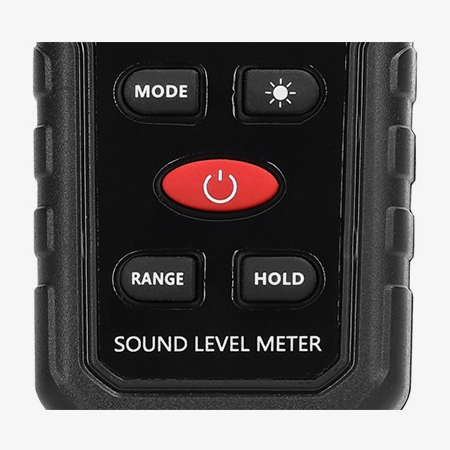
Soft Rubber Buttons
- Providing Comfortable and Natural Tactile. Soft rubber buttons provide a more comfortable and natural tactile feel compared to hard plastic alternatives. When the user must operate the noise decibel meter repeatedly or for extended periods, the soft-touch surface reduces finger fatigue.
- Quieter Operation. Unlike stiff plastic buttons that produce a noticeable clicking sound, rubber buttons operate more quietly. This is especially important in sound measurement. Soft buttons help maintain a quiet operation, improving the accuracy and professionalism of noise assessments.
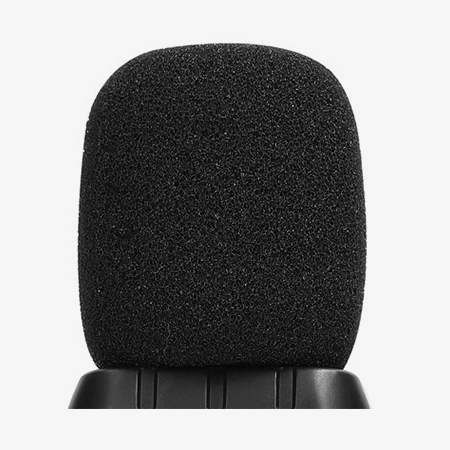
Sound Decibel Meter Equipped with Windproof Sponge Cover
- Improving Measurement Accuracy. By minimizing unwanted interference, the windproof sponge helps the dB meter maintain a more stable and accurate response.
- Extra Protection for the Microphone. The sponge also provides physical protection. It prevents dust, moisture, small particles, and debris from entering the microphone head.
Applications
SISCO's digital decibel meter is widely used to measure and monitor noise levels in various environments, ensuring compliance with safety standards and protecting hearing. In schools, it helps assess classroom acoustics, monitor playground or cafeteria noise, and create a conducive learning environment by identifying areas with excessive sound. In factories, it is essential for monitoring industrial noise, ensuring workers are not exposed to harmful decibel levels.

School

Factory

Workshop
Office
| Model | SISCO-SLM-S8607 |
| Frequency Response | 31.5Hz~8KHz |
| Measuring Range | 30~130dB |
| Accuracy | ±1.5dB (94dB@1KHz) |
| Display Resolution | 0.1dB |
| Frequency Weighting Characteristic | A sound level frequency meter weight |
| Battery | 3*1.5V AAA (not included) |
| Operating Temperature | 0℃~40℃ |
| Operating Humidity | 10~90%RH |
| Storage Temperature | -10℃~60℃ |
| Storage Humidity | 10~75%RH |
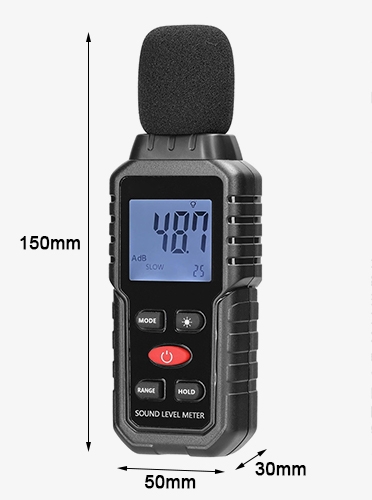
| Dimension | 150*50*30mm |
| Weight | 81g |
Dimension:

Q1: What is a noise detector?
A1: Noise tester is an instrument used for noise detection and testing in public places such as work sites and squares. Factory noise monitoring Noise pollution is one of the environmental pollutions that have a greater impact. Higher decibel noise can even cause serious damage to people's eardrums and cause deafness. The application of the noise tester can provide the decibel that the noise reaches in order to take relevant measures to control and reduce the noise. The measurement unit of the sound level is decibels. The professional noise tester has a highly sensitive sensor, high accuracy, and a wide range of applications. It can be widely used for noise measurement in various environments. Sound level measuring instrument, collectively referred to as sound level meter.
Q2: What are the different decibel ranges?
A2: Decibel (dB) ranges are used to measure sound intensity, with each range corresponding to common noises and potential hearing effects. 0–30 dB represents very quiet sounds, such as a whisper or rustling leaves, generally safe for prolonged exposure. 30–60 dB covers normal conversation, office noise, or background music, posing minimal risk to hearing. 60–85 dB includes busy traffic, vacuum cleaners, or loud music; prolonged exposure above 85 dB can start causing hearing damage. 85–100 dB represents heavy traffic, motorcycles, or loud concerts. 100–120 dB includes chainsaws, car horns, or rock concerts, which can cause immediate discomfort and potential hearing loss with short exposure. Above 120 dB, like sirens or jet engines, can lead to pain, permanent hearing damage, or eardrum rupture almost instantly.
Q3: How to maintain a sound level meter?
A3: To maintain a sound decibel meter, handle it carefully and avoid dropping it, as impacts can affect accuracy. Keep the microphone clean and free from dust or moisture; use a soft brush. Store the device in a protective case when not in use and avoid exposure to extreme temperatures or humidity. Regularly calibrate the meter using a certified acoustic calibrator to ensure precise readings. Replace batteries promptly to prevent leakage. Avoid using it near strong electromagnetic fields or vibrating machinery, which may interfere with measurements.
Tips: What is the role of a microphone in digital sound level meter?
In a sound level meter, the microphone serves as the primary sensor that captures sound waves from the environment. It converts acoustic energy (air pressure variations) into electrical signals that the device can process. The microphone's sensitivity and frequency response determine the meter's accuracy across different sound levels and frequencies. High-quality microphones minimize distortion and noise, ensuring precise measurements.
Thank you for buying industrial test and measurement equipment on SISCO.com, all products sold by SISCO and the partner cover a 12 months warranty, effective from the date of receiving the products.
What is covered?
SISCO is responsible for providing free spare parts, and free technical support to assist the customer to repair the defective products until the problem is solved.
What is not covered?
- Product purchased from anyone other than a SISCO store or a SISCO authorized reseller.
- Expendable parts.
- Routine cleaning or normal cosmetic and mechanical wear.
- Damage from misuse, abuse or neglect.
- Damage from use of parts other than SISCO approved.
- Damage from use outside the product’s usage or storage parameters.
- Damage from use of parts not sold by SISCO.
- Damage from modification or incorporation into other products.
- Damage from repair or replacement of warranted parts by a service provider other than a SISCO authorized service provider.
- Damage caused by the application environment not meeting the product usage requirements and the failure to perform preventive maintenance.

Shop on sisco.com for all of your industrial test and measurement equipment & accessories including portable detectors, meters, testers, scales, etc.


