
The phosphine gas sensor module helps monitor toxic PH3 gas concentrations in workplaces where phosphine may be generated, stored, or used. It is suitable for chemical processing, grain fumigation, pesticide production, semiconductor manufacturing, and laboratory safety monitoring, supporting gas leak detection and workplace environmental monitoring.
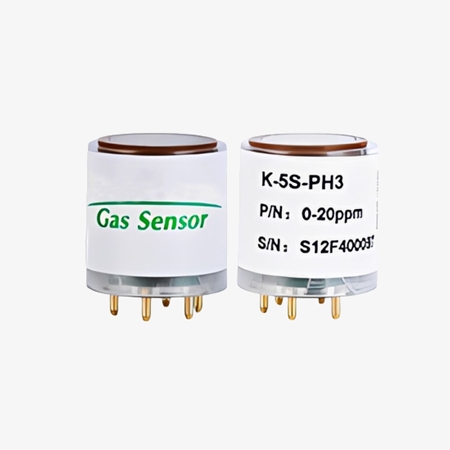
Dual UART and Analog Signal Outputs
- The PH3 gas sensor is factory-calibrated to provide accurate and reliable phosphine concentration measurements without requiring recalibration before use.
- This phosphine gas sensor supports live hot-plugging and unplugging, allowing convenient sensor replacement and maintenance without interrupting system operation.
- The PH3 gas sensor provides simultaneous UART digital and analog outputs for flexible integration with gas detection systems and monitoring equipment.
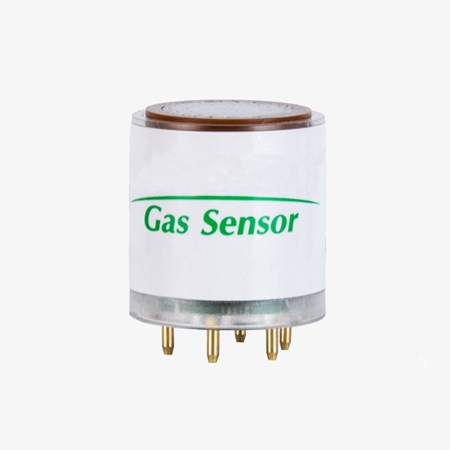
Standard MODBUS Communication Protocol
- Supports the standard MODBUS protocol for easy connection to industrial controllers, monitoring systems, and gas detection equipment.
- Compatible with multiple gas sensing technologies, including infrared, electrochemical, catalytic, and semiconductor sensors.
- The phosphine gas sensor is suitable for PH3 gas detection and concentration monitoring in chemical laboratories, industrial facilities, environmental monitoring systems, and other industrial applications.
Applications

Automobile

Environmental Monitoring

Smelting Factories
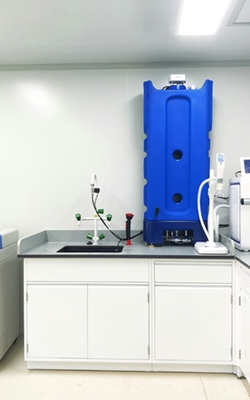
Chemical Laboratories
| Model | SISCO-GS-PH3-K5S |
| Detecting Gas | Phosphine (PH3) |
| Detecting Range | 0-5/0-20/0-100/0-1000/0-2000/0-3000 ppm |
| Working Voltage | DC 5V±0.5V |
| Power Consumption | ≤1W |
| Working Temperature | -20℃~50℃ |
| Humidity | 15%~95%RH (no condensation) |
| Working Pressure | 86~106Kpa |
| Adoption Method | Natural diffusion |
| Detection Unit | ppm |
| Resolution | 0.1/0.1/1/1/1/10 ppm |
| Technical Principle | Electrochemical three electrodes |
| Tolerance | ≤±3% |
| Repeatability | ≤±1% |
| Response Time | ≤60s |
| Communication Format | UART baud rate 9600, data bit: 8; stop bit: 1; check bit: none |
| Communication Protocol | Modbus-RTU communication protocol |
| Analog Output | 0~3V |
| Warm-up Time | 30s (user adjustable) |
| Lifetime | 2 years |
| Weight | 10g |
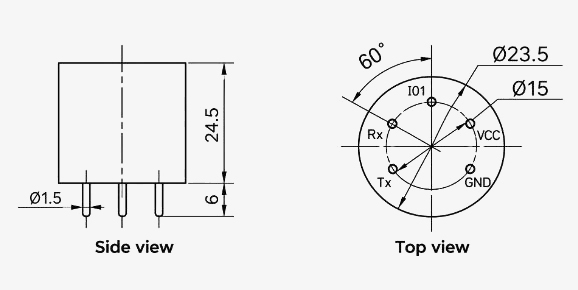
Dimension (unit: mm)

Q1: What is a phosphine (PH3) gas sensor?
A1: A phosphine gas sensor is used to detect and monitor PH3 concentrations in the surrounding environment. It is commonly applied in chemical plants, semiconductor manufacturing, fumigation operations, laboratories, and industrial safety monitoring.
Q2: Why is phosphine gas detection important?
A2: Phosphine (PH3) is a highly toxic and flammable gas that can pose serious risks to human health and workplace safety. A PH3 gas sensor helps detect potential gas leaks and monitor concentration changes, supporting timely safety measures in industrial and laboratory environments.
Q3: How does a PH3 Gas Sensor communicate with monitoring systems?
A3: A PH3 gas sensor can provide UART digital and analog signal outputs for flexible system integration. Models supporting the standard MODBUS protocol can also connect with industrial controllers, gas detection equipment, and monitoring systems.
Tips: What factors should be considered when selecting a PH3 gas sensor?
When choosing a phosphine gas sensor, consider its detection range, measurement accuracy, response time, signal output, and communication protocol. Compatibility with existing gas monitoring systems is also important for reliable PH3 gas detection in industrial and laboratory applications.
Thank you for buying industrial test and measurement equipment on SISCO.com, all products sold by SISCO and the partner cover a 12 months warranty, effective from the date of receiving the products.
What is covered?
SISCO is responsible for providing free spare parts, and free technical support to assist the customer to repair the defective products until the problem is solved.
What is not covered?
- Product purchased from anyone other than a SISCO store or a SISCO authorized reseller.
- Expendable parts.
- Routine cleaning or normal cosmetic and mechanical wear.
- Damage from misuse, abuse or neglect.
- Damage from use of parts other than SISCO approved.
- Damage from use outside the product’s usage or storage parameters.
- Damage from use of parts not sold by SISCO.
- Damage from modification or incorporation into other products.
- Damage from repair or replacement of warranted parts by a service provider other than a SISCO authorized service provider.
- Damage caused by the application environment not meeting the product usage requirements and the failure to perform preventive maintenance.

Shop on sisco.com for all of your industrial test and measurement equipment & accessories including portable detectors, meters, testers, scales, etc.


