
Ultrasonic level sensor features 1mm ultra-fine distance resolution for precise liquid level reading, fitted with a standard 4-20mA analog output to transmit real-time level data to control equipment. Adopting a DC 18-36V universal supply voltage, the unit runs reliably within an ambient temperature of -20℃ ~ +60℃, with IP66 protection grade to operate normally in humid, dusty, and industrial measuring scenes.
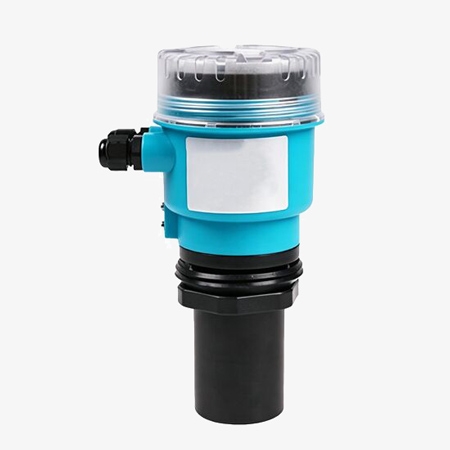
- High-Definition Backlit LCD: Ultrasonic level transmitter fitted with an IP66 dustproof and waterproof display panel simultaneously shows real-time level, distance, and temperature data for clear, instant readings, offering intuitive data viewing for ultrasonic level sensor onsite inspection.
- Powerful Anti-Interference Performance: Built-in intelligent algorithm with automatic temperature compensation and 5 adjustable calculation speeds. Measurement accuracy stays consistent across different temperatures without environmental signal interference.
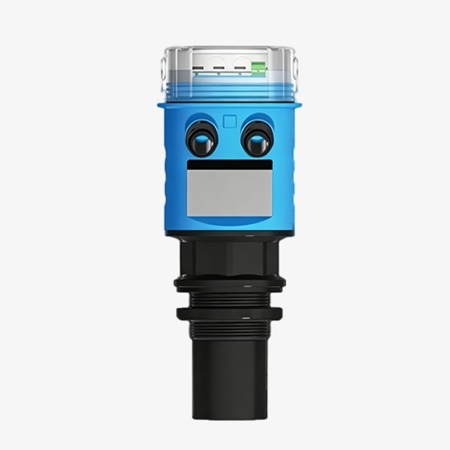
- Superior Sealing Protection: The Ultrasonic level transmitter, built with a standard IP66 rating, blocks dust and water mist, supporting stable outdoor deployment of the ultrasonic level sensor in damp workshops.
- Fully Sealed Measuring Probe: The fully enclosed probe of the ultrasonic level sensor screens out false echo signals, limiting total measuring error to within 2.5cm and supplying accurate detection data for the ultrasonic level transmitter.
Applications
Ultrasonic level meters fit liquid level monitoring across chemical, food & beverage, pharmaceutical, and metallurgy sectors and are also widely deployed in municipal sewage tanks, reaction kettles, raw material storage barrels, and cooling water pools for reliable continuous level detection in humid, dusty, and temperature-fluctuating industrial environments.

Food Beverage Industry

Life Sciences Industry

Engineering Manufacturing
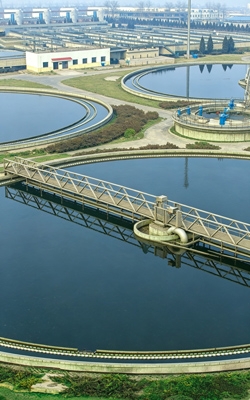
Wastewater Industry
| Model | SISCO-ULT-TH-L300N |
| Measuring Range | 0~15m (selected according to actual measuring range) |
| Blind Zone | 0.45m ~ 0.6m |
| Weight | 300g |
| Accuracy Class | ±0.25% (standard conditions) |
| Distance Resolution | 1mm |
| Analog Output | 4~20mA |
| Power Supply Voltage | DC 18-36V |
| Ambient Temperature | -20℃ ~ +60℃ |
| Protection Grade | IP66 |
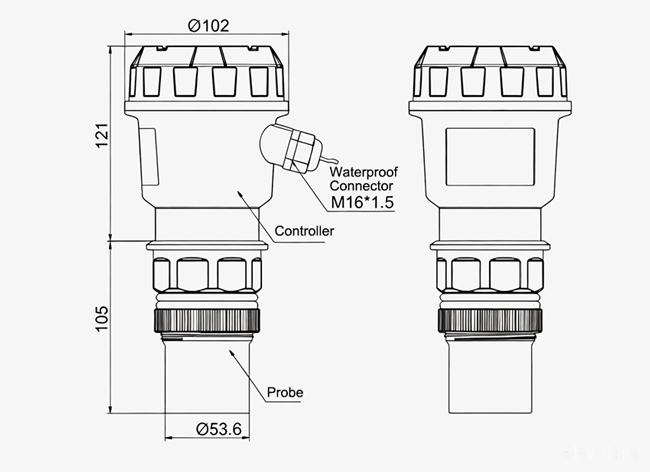
Dimensions (unit: mm)
Q1:What is an ultrasonic level transmitter?
A1: An ultrasonic level transmitter is a non-contact measurement device that uses ultrasonic wave technology to measure the level of liquids, slurries, or solid materials in tanks, vessels, or open channels. It works by transmitting high-frequency ultrasonic pulses toward the material surface and receiving the reflected echoes. The transmitter calculates the distance between the sensor and the surface based on the time taken for the sound waves to travel back, then converts this distance into a level measurement signal, such as a 4–20 mA or digital output.
Q2: What is the maximum measuring distance of this ultrasonic level transmitter?
A2: The measuring range can reach 0~15m, depending on the actual application requirements. The selected measuring range should match the tank height, installation position, and operating conditions to achieve the best measurement performance.
Q3: What accuracy can an ultrasonic level transmitter achieve?
A3: An ultrasonic level transmitter can achieve an accuracy of ±0.25% under standard conditions. This accuracy class indicates that the measured level value may deviate by up to 0.25% of the measurement range when operating under specified standard conditions. Actual accuracy may vary depending on installation, environmental factors, and process conditions such as temperature, vapor, foam, or surface turbulence.
Tips: What factors affect ultrasonic level measurement accuracy?
The accuracy of ultrasonic level measurement can be affected by several factors, including temperature variations, vapor or gas concentration, foam on the material surface, dust or suspended particles, turbulence, and surface conditions.
Temperature changes can affect the speed of sound and introduce measurement errors if temperature compensation is not applied. Foam, vapor, or dust can weaken or scatter the ultrasonic signal, reducing echo reliability. Turbulent or uneven surfaces may cause unstable reflections, while improper installation, incorrect sensor alignment, and obstructions within the measurement path can also reduce accuracy.
Proper installation, calibration, and environmental compensation help ensure reliable and accurate level measurement.
Thank you for buying industrial test and measurement equipment on SISCO.com, all products sold by SISCO and the partner cover a 12 months warranty, effective from the date of receiving the products.
What is covered?
SISCO is responsible for providing free spare parts, and free technical support to assist the customer to repair the defective products until the problem is solved.
What is not covered?
- Product purchased from anyone other than a SISCO store or a SISCO authorized reseller.
- Expendable parts.
- Routine cleaning or normal cosmetic and mechanical wear.
- Damage from misuse, abuse or neglect.
- Damage from use of parts other than SISCO approved.
- Damage from use outside the product’s usage or storage parameters.
- Damage from use of parts not sold by SISCO.
- Damage from modification or incorporation into other products.
- Damage from repair or replacement of warranted parts by a service provider other than a SISCO authorized service provider.
- Damage caused by the application environment not meeting the product usage requirements and the failure to perform preventive maintenance.

Shop on sisco.com for all of your industrial test and measurement equipment & accessories including portable detectors, meters, testers, scales, etc.


