
SISCO's laboratory vortex mixer features a convenient knob control design for quick and precise speed adjustment. By default, the mixer starts in touch operation mode when powered on. To switch to continuous mixing mode, simply rotate the knob to the continuous operation position. Both power control and speed adjustment are integrated into the same knob for simplified operation. Turning the knob to “0” and rotating it further to the left limit automatically powers off the instrument, while the indicator light turns off simultaneously. This integrated design ensures easy operation, improved safety, and reliable performance for everyday laboratory sample mixing tasks.
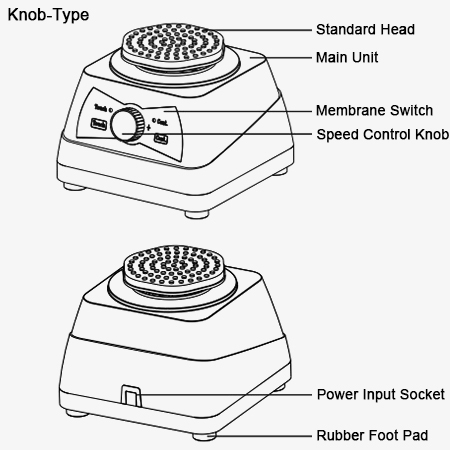
Compact Design with Easy Operation
- This vortex instrument supports a wide input voltage of AC 100~240 V, 50/60 Hz, making it compatible with power systems in different regions.
- With compact dimensions of (140×140×127)mm and a net weight of 4.4 kg, the vortex mixer can be conveniently placed on a laboratory bench or in limited workspace environments.
- The operation is simple and intuitive; just gently press the bottom of a tube onto the vortex mixing head, and the instrument will quickly produce uniform and efficient sample mixing inside the tube. The user-friendly design makes this lab vortex mixer easy to use, even for beginners.
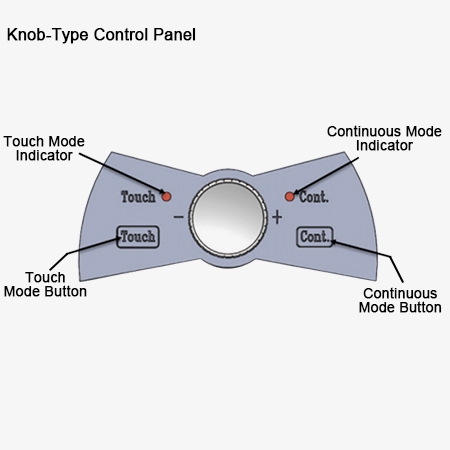
Dual Operation Modes for Flexible Use
- This knob-type lab vortex mixer is designed with dual operation modes to meet various laboratory needs. The instrument automatically enters touch mode after power-on, allowing quick mixing with light pressure on the tube. When continuous mixing is required, users can easily switch to continuous mode by adjusting the control knob.
- For optimal maintenance, it is recommended to turn off the vortex instrument when not in use. This good operating practice helps protect internal components, ensuring long-term stability and extending the overall service life of the lab mixer.
Applications
Lab mixers are widely used in biomedical research for cell culture, PCR, and immunoassays, ensuring uniform and reliable mixing of samples. In the chemical industry and scientific laboratories, lab mixing equipment supports catalytic reactions, solution preparation, protein crystallization, and nucleic acid hybridization, improving experimental stability and repeatability. In clinical testing and diagnostics, laboratory vortex mixers are commonly used for preparing blood and urine samples and for antimicrobial susceptibility testing, ensuring accurate and dependable results.

Chemical Industry

Scientific Research

Clinical Testing

Biomedical Research
| Model | SISCO-LM-SMV-3500 |
| Operation Method | Knob Control |
| Speed Range | 260~3500 rpm |
| Orbit Diameter | 3mm |
| Mixing Motion | Orbital (Circular) Mixing |
| Operating Modes | Touch Mode / Continuous Operation |
| Motor Type | Brushless DC Motor |
| Input Power | 36W |
| Power Supply | AC 100~240 V, 50/60 Hz |
| Dimensions | (140×140×127)mm |
| Net Weight | 4.4 kg |
Q1: What is the difference between touch mode and continuous mode on a vortex mixer?
- In touch mode, the laboratory vortex mixer operates only when pressure is applied to the mixing head. Once the tube is removed, the instrument stops automatically. This mode is ideal for short, intermittent mixing, such as quick vortexing of small-volume samples or experiments that require precise control of mixing time.
- In continuous mode, the vortex mixer runs steadily without manual pressure, making it suitable for longer mixing tasks, such as bacterial culture preparation or dissolving chemical reagents. Switching between the two modes allows users to optimize efficiency and flexibility in different laboratory workflows.
Q2: How should the speed be adjusted, and what should be noted when turning off the mixer?
- The variable-speed vortex mixer allows direct speed adjustment through the control knob. Rotating the knob clockwise increases the speed, and users can freely set the speed within the 260~3500rpm range, depending on sample characteristics and experimental requirements.
- When turning off the vortex instrument, do not disconnect the power abruptly. Instead, rotate the knob gradually to the left until the speed reaches “0”, then continue rotating to the limit position until the indicator light turns off completely. This shutdown procedure helps protect the motor and internal components, extending the service life of the laboratory mixer.
Q3: What types of samples can be mixed with this laboratory vortex mixer, and what precautions should be taken?
This vortex mixer is suitable for a wide variety of laboratory samples, including tissues, cells, bacterial cultures, and chemical reagents. To achieve optimal sample mixing, gently press the bottom of the centrifuge tube against the center of the mixing head to ensure stable contact. It is recommended to adjust the speed according to the sample type and avoid prolonged operation at the maximum speed. When the mixer is not in use, switch off the power to protect the instrument and reduce energy consumption.
Tips: What should you do if the mixing performance is not ideal?
If the sample mixing effect is insufficient, several adjustments can improve the results.
- First, ensure that the bottom of the centrifuge tube is positioned exactly at the center of the vortex mixing head, as misalignment can reduce mixing efficiency.
- Second, increase the mixing speed if necessary. This variable-speed vortex mixer offers a wide range of 260~3500rpm, allowing users to adapt the speed to different sample viscosities and volumes.
- For high-viscosity or larger-volume samples, switching to continuous mode and extending the mixing time can significantly improve the uniformity and effectiveness of the mixing process.
Thank you for buying industrial test and measurement equipment on SISCO.com, all products sold by SISCO and the partner cover a 12 months warranty, effective from the date of receiving the products.
What is covered?
SISCO is responsible for providing free spare parts, and free technical support to assist the customer to repair the defective products until the problem is solved.
What is not covered?
- Product purchased from anyone other than a SISCO store or a SISCO authorized reseller.
- Expendable parts.
- Routine cleaning or normal cosmetic and mechanical wear.
- Damage from misuse, abuse or neglect.
- Damage from use of parts other than SISCO approved.
- Damage from use outside the product’s usage or storage parameters.
- Damage from use of parts not sold by SISCO.
- Damage from modification or incorporation into other products.
- Damage from repair or replacement of warranted parts by a service provider other than a SISCO authorized service provider.
- Damage caused by the application environment not meeting the product usage requirements and the failure to perform preventive maintenance.

Shop on sisco.com for all of your industrial test and measurement equipment & accessories including portable detectors, meters, testers, scales, etc.


