
This 3D rotating mixer supports 3 mixing modes — rotation, oscillation, and angle — and features 2 independently adjustable clamps on the rotating panel, allowing two different mixing methods to be applied simultaneously in a single run. The lightweight, portable design makes it easy to transfer between lab environments, with stable operation confirmed on the benchtop, in cold storage, and inside incubators. The housing and panel have been purpose-designed for easy cleaning and stain removal, ensuring durability and low-maintenance upkeep across demanding daily lab use.
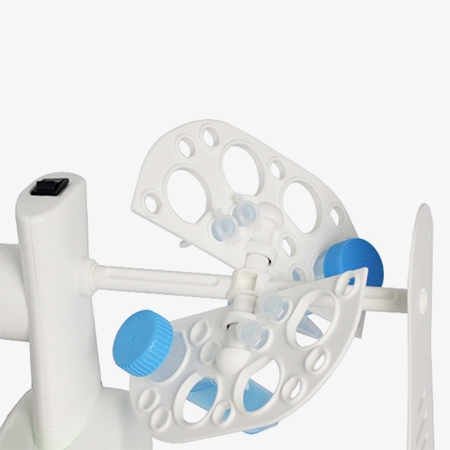
Full-Angle Adjustment with Multi-Format Interchangeable Clamps
- By adjusting the rotating panel, this mixer can operate at horizontal, vertical, or any angle in between — giving users precise control over mixing dynamics to suit a wide range of experimental protocols and sample types.
- The gentle rotation speed makes it especially well-suited for shear-sensitive applications such as molecular hybridization, blood anticoagulation, and immunological assays, where aggressive mixing could compromise sample integrity.
- The mixer also comes with multi-size centrifuge tube clamps that can be freely combined and swapped without tools, providing strong adaptability across different tube formats and experimental setups.
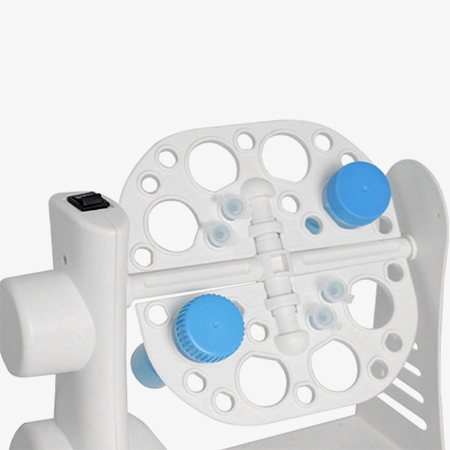
3 Switchable Mixing Modes with Automatic Parameter Memory
- This rotating mixer offers three freely switchable operating modes — rotational mixing, oscillation mixing, and angle mixing — expanding its versatility across a broad spectrum of laboratory applications.
- The two independently adjustable clamps enable simultaneous application of two different mixing modes in a single run, allowing processing of different sample types under their optimal mixing conditions without running separate batches.
- The instrument also features a parameter memory function: each time the mixer is powered on, the screen automatically displays the settings from the previous session, eliminating repetitive manual input for recurring experiments and supporting consistent, reproducible workflows.
Applications
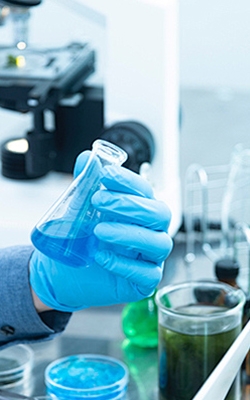
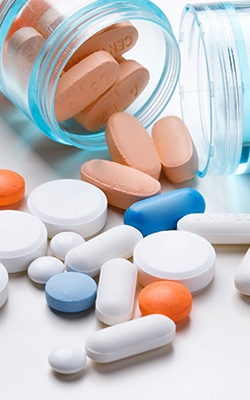
Lab mixers are widely used in biomedical research for cell culture, PCR, and immunoassays, ensuring uniform and reliable mixing of samples. In the chemical industry and scientific laboratories, lab mixing equipment supports catalytic reactions, solution preparation, protein crystallization, and nucleic acid hybridization, improving experimental stability and repeatability. In clinical testing and diagnostics, laboratory vortex mixers are commonly used to prepare blood and urine samples and to perform antimicrobial susceptibility testing, ensuring accurate and dependable results.
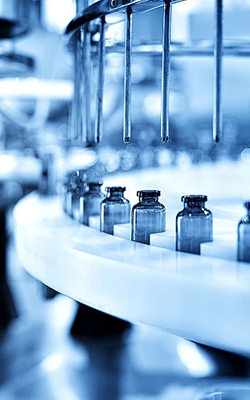
Chemical Industry
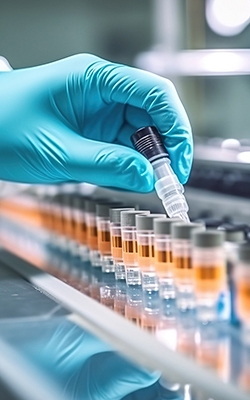
Scientific Research
Clinical Testing
Biomedical Research
| Model | SISCO-LM-TM40 |
| Speed Range | 10~40 rpm |
| Operating Angle | 20°~99°, adjustable |
| Operating Mode | Rotation / Oscillation / Angle |
| Working Mode | Continuous / Timed |
| Display | LED |
| Timer Range | 1~999 min / 0~999 s |
| Rated Power | 4 W |
| Compatible Tube Sizes | 0.5 / 1.5 / 2 / 5 / 7 / 10 / 15 / 50 ml centrifuge tubes |
| Input Voltage / Frequency | 100~240 V; 50/60 Hz |
| Dimensions (L × W × H) | (240×140×210) mm |
| Net Weight | 1.2 kg |
Q1: What are the practical use cases for each of the three mixing modes — rotation, oscillation, and angle?
A1: Rotation mode is best suited for applications that require continuous end-over-end tumbling, such as blood sample anticoagulation and gentle resuspension of settled particles, where sustained fluid movement throughout the tube is essential. Oscillation mode provides a lighter, back-and-forth agitation, making it ideal for preventing sedimentation or for applications where only minimal disturbance of the sample is needed. Angle mode sits between the two, offering a balance of thoroughness and gentleness — well-suited for molecular hybridization and similar protocols that have specific requirements for mixing intensity. Since the two clamps are independently adjustable, users can also combine two different modes within a single run, optimizing conditions for different samples simultaneously.
Q2: Will performance be affected when using the mixer inside a cold room or incubator?
A2: This mixer is specifically designed to operate stably across cold-room and incubator environments. The housing materials and internal electronics are selected with environmental adaptability in mind. As a general precaution, avoid direct exposure of the panel to heavy condensation, and wipe the unit down after use in humid or cold conditions to maintain the surface and extend service life.
Q3: How easy is it to swap the clamps, and can different tube sizes be used together in the same run?
A3: Very easy. The multi-size centrifuge tube clamps are designed for tool-free installation and removal, making it straightforward to reconfigure the mixer between experiments. Different clamp sizes can be combined on the two positions within the same run, allowing multiple tube formats to be mixed simultaneously. When doing so, aim to keep the overall load reasonably balanced between the two clamp positions to maintain smooth rotation and consistent mixing performance across all samples.
Tips: How do you use the two independently adjustable clamps to process two sample types in one run?
One of the most practical advantages of this 3D rotating mixer is the ability to run two different mixing conditions simultaneously — saving time and making better use of each experimental cycle. Before starting, think about the mixing requirements of each sample group: set one clamp to horizontal rotation for samples that need gentle, continuous tumbling with minimal shear (such as blood samples being kept anticoagulated), and set the other clamp to a steeper vertical or angled position for samples that benefit from more vigorous end-over-end mixing (such as molecular hybridization solutions). Both sample groups then run in parallel within the same cycle, each receiving the mixing profile best suited to its needs. The only setup required is adjusting the fixed orientation of each clamp before the run — a quick step that can significantly improve throughput and experimental consistency, particularly in labs that routinely handle mixed sample types in a single session.
Thank you for buying industrial test and measurement equipment on SISCO.com, all products sold by SISCO and the partner cover a 12 months warranty, effective from the date of receiving the products.
What is covered?
SISCO is responsible for providing free spare parts, and free technical support to assist the customer to repair the defective products until the problem is solved.
What is not covered?
- Product purchased from anyone other than a SISCO store or a SISCO authorized reseller.
- Expendable parts.
- Routine cleaning or normal cosmetic and mechanical wear.
- Damage from misuse, abuse or neglect.
- Damage from use of parts other than SISCO approved.
- Damage from use outside the product’s usage or storage parameters.
- Damage from use of parts not sold by SISCO.
- Damage from modification or incorporation into other products.
- Damage from repair or replacement of warranted parts by a service provider other than a SISCO authorized service provider.
- Damage caused by the application environment not meeting the product usage requirements and the failure to perform preventive maintenance.

Shop on sisco.com for all of your industrial test and measurement equipment & accessories including portable detectors, meters, testers, scales, etc.


