
This compact lux light meter with a clear LCD screen displaying real-time readings in lux (lx), it allows users to quickly evaluate illumination levels for workplaces, homes, greenhouses, photography studios, and industrial settings. This handheld lux meter can accurately measure a wide range of light sources, including LED, fluorescent, incandescent, and natural sunlight, ensuring dependable performance for both professional and everyday applications.
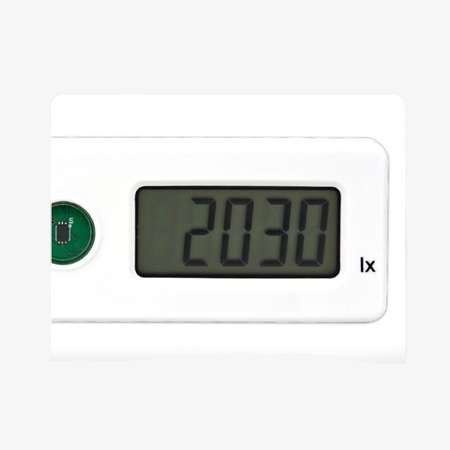
Small Size, Digital & Backlit Display
- Equipped with a high-definition digital display screen that delivers clear, sharp, and easy-to-read measurement results at a glance.
- Large LCD with high contrast and enhanced visibility, ensuring accurate readings even in low-light conditions.
- Display provides real-time illumination values with fast refresh speed for smooth and stable data presentation.
- Clear numeric layout minimizes reading errors and improves work efficiency during on-site inspections.
- Anti-glare screen design enhances readability in both indoor and outdoor environments. Backlit display option allows convenient operation in dim or dark areas.

Equipped with a high-precision light sensor
- Built with a high-precision photosensitive sensor that ensures accurate and reliable light intensity measurements across a wide range of environments.
The advanced sensor offers exceptional sensitivity, allowing precise detection of even subtle changes in illumination. - The digital lux meter designed to closely match the human eye’s spectral response, reducing measurement errors caused by different light source types.
- Delivers stable and consistent readings with minimal fluctuation, even during continuous monitoring.
- High response speed enables real-time tracking of dynamic light variations.
- Optimized sensor structure minimizes interference from ambient noise and improves overall measurement accuracy.
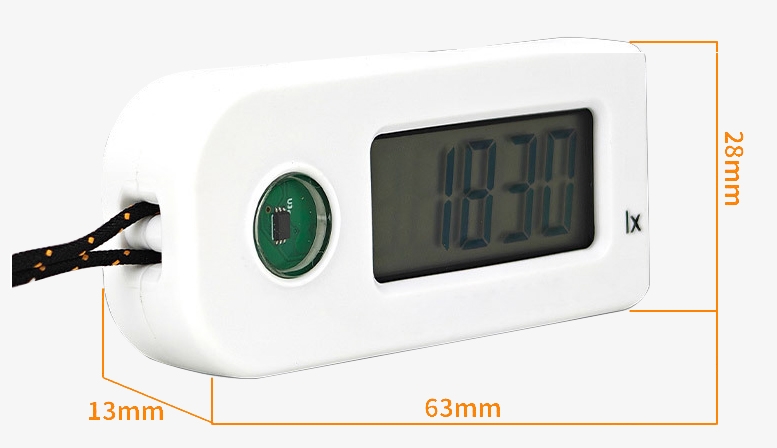
Dimension
Applications
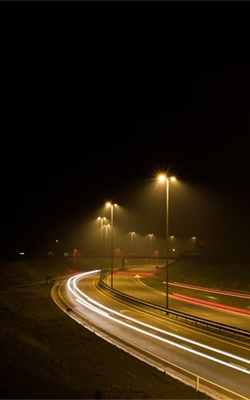
SISCO's lux meters are widely used for light monitoring and measurement in lighting enterprises, agriculture and livestock, industry and mining, laboratories, offices, medical institutions, home applications, street lighting construction and other industries.

School

Factory
Workshop

Office
| Model | SISCO-LM-AS803A |
| Illuminance Measurement Range | 1~65000 lux |
| Resolution | 1 lux |
| Sampling Rate | 1 time/second |
| Automatic Power Off | Automatic shutdown after 3 minutes of inactivity |
| Product Dimensions | 63*28*13mm |
| Product Weight | 30g |
Q1: What is a lux meter and how does it work?
A1: A lux meter, also known as an illuminance meter, is a device used to measure the amount of light falling on a surface. It works by using a photodiode or photovoltaic cell to convert light energy into an electrical signal, which is then processed and displayed as a reading in lux units.
Q2: What are some common applications of lux meters?
A2: Lux meters are commonly used in a variety of industries and settings, including photography, film production, architecture, and interior design. They are also used in industrial settings to ensure proper lighting levels for worker safety and productivity.
Q3: How to calibrate a lux meter?
A3: Calibrating a lux meter typically involves comparing its readings to a known standard light source of a specific brightness level. This can be done using a calibration light box or similar device, and the process may vary depending on the specific type and model of the lux meter being used. It is generally recommended to have a lux meter professionally calibrated on a regular basis to ensure accuracy.
Tips: Can the digital lux meter measure LED and fluorescent lighting?
Yes, a digital lux meter can accurately measure both LED and fluorescent lighting, along with other common light sources such as incandescent bulbs, halogen lamps, and natural sunlight. These meters work by detecting the amount of visible light that falls onto their sensor and converting it into a lux (lx) value, which represents illumination intensity on a surface.
Modern digital lux meters are designed with photo sensors that closely simulate the human eye’s response to light (photopic curve), allowing them to provide reliable readings across a wide range of lighting technologies. However, it is important to note that different light sources have different spectral characteristics. High-quality digital lux meters compensate for these differences to maintain accuracy, while lower-end models may show slight variations when measuring certain LED types, especially very cool or very warm color temperatures.
Thank you for buying industrial test and measurement equipment on SISCO.com, all products sold by SISCO and the partner cover a 12 months warranty, effective from the date of receiving the products.
What is covered?
SISCO is responsible for providing free spare parts, and free technical support to assist the customer to repair the defective products until the problem is solved.
What is not covered?
- Product purchased from anyone other than a SISCO store or a SISCO authorized reseller.
- Expendable parts.
- Routine cleaning or normal cosmetic and mechanical wear.
- Damage from misuse, abuse or neglect.
- Damage from use of parts other than SISCO approved.
- Damage from use outside the product’s usage or storage parameters.
- Damage from use of parts not sold by SISCO.
- Damage from modification or incorporation into other products.
- Damage from repair or replacement of warranted parts by a service provider other than a SISCO authorized service provider.
- Damage caused by the application environment not meeting the product usage requirements and the failure to perform preventive maintenance.

Shop on sisco.com for all of your industrial test and measurement equipment & accessories including portable detectors, meters, testers, scales, etc.


