
A sound level calibrator is a precision acoustic device used to verify and adjust the accuracy of a sound level meter. It generates a known, stable sound pressure level, 94 dB or 114 dB. An acoustic calibrator is essential in applications where accuracy is critical, such as environmental noise monitoring, industrial noise surveys, and laboratory testing.
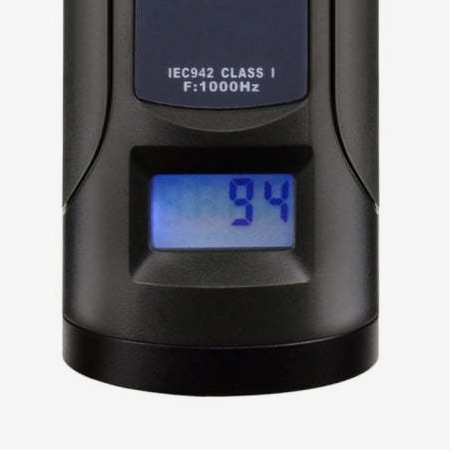
Backlit Display
- Improved Visibility in Low-Light Environments. A backlit display ensures clear readability in dim or dark conditions, such as industrial plants, outdoor night measurements, or soundproof rooms. Users can easily read calibration values without relying on external lighting, reducing eye strain and improving operational efficiency.
- Enhanced User Convenience. Digital sound level calibrator with a backlit digital screen, users can perform calibrations quickly without adjusting their position, flashlight, or surrounding light. This convenience is valuable during fieldwork, routine inspections, or time-sensitive calibration tasks.
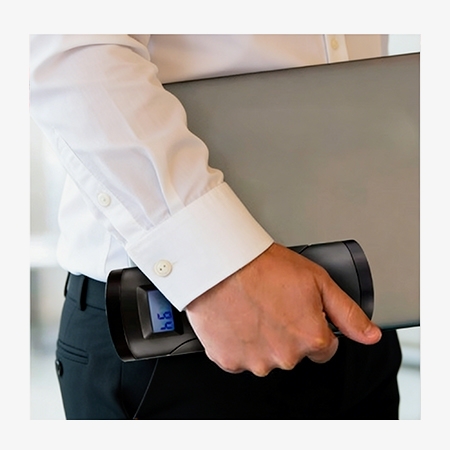
Lightweight Sound Level Calibrator
- User-Friendly Interface. The lightweight digital acoustic calibrator features intuitive digital display and buttons. This reduces the risk of user error.
- Convenience for Field Work. Field engineers, acoustic consultants, and environmental professionals often work in outdoor or industrial settings where carrying heavy equipment can be cumbersome. A lightweight sound level meter calibrator ensures that they can quickly and efficiently perform calibrations on the go.
Applications
SISCO's digital sound level meter calibrator is used to ensure the accuracy and reliability of sound measurement devices. Its application fields include environmental noise monitoring, industrial noise assessment, and workplace safety compliance. It is widely used in acoustics laboratories, construction sites, and manufacturing plants to calibrate sound level meters before measurements.
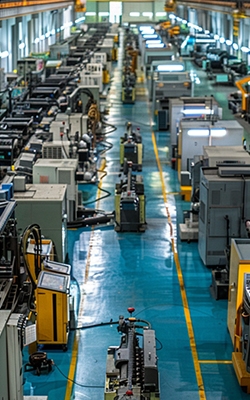
Industrial Workshop
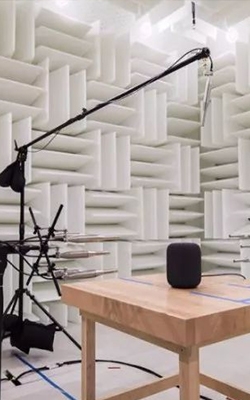
Acoustic Laboratory
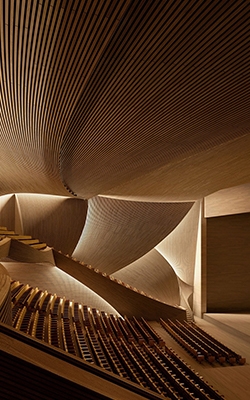
Theatre

Construction Industry
| Model | SISCO-SLM-ND9B |
| Sound Pressure Level | 94dB and 114dB |
| Accuracy | ±0.3dB (20 °C, 760mm Hg) |
| Frequency | 1000±0.01% Hz allows calibration with A,B,C or D weighting networks or linear |
| Microphone Size | 1" and 1/2" microphones |
| Temperature Coefficient | 0~0.01 dB/℃ |
| Standard | IEC 942 class1 |
| Altitude Effects | Approximately decrease 0.1dB per 2000 ft increase in altitude from sea level to 12,000 ft elevation, or comparable atmospheric pressure change (approximately every 50mm of Hg decrease) |
| Operating Temperature | -10 ℃~50 ℃ |
| Storage Temperature | -40 ℃~65 ℃ |
| Power Supply | 2 x 1.5V AAA battery (not included) |
| Dimension | 137*51*51mm |
| Weight | About 200g |
Structure:
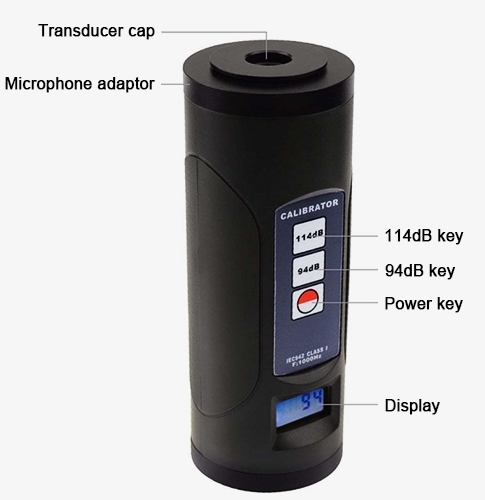
Q1: What is a sound level calibrator?
A1: A sound level meter calibrator is a precision device used to verify and adjust the accuracy of sound measuring instruments, such as sound level meters. It generates a stable, known sound pressure level, usually at a specific frequency, commonly 94 dB or 114 dB, allowing the meter to be calibrated before measurements.
Q2: How does temperature affect the calibrator's performance?
A2: The performance of a sound level meter calibrator can be affected by temperature changes. The operating temperature of this acoustic calibrator is -10 ℃ to 50 ℃. Extreme temperatures outside this range may cause drift in the output sound pressure level, affecting calibration accuracy. To ensure reliable calibration, it is recommended to allow the calibrator to stabilize at the ambient temperature before use and avoid exposing it to sudden temperature changes.
Q3: How should the sound level calibrator be stored when not in use?
A3: When not in use, a noise meter calibrator should be stored in a clean, dry, and stable environment to ensure its accuracy and longevity. Keep it in its protective case to prevent dust, moisture, and mechanical damage. Avoid exposing it to extreme temperatures, direct sunlight, or high humidity, as these conditions can affect its calibration. Store it away from strong magnetic fields or vibrations.
Tips: Can sound level calibrator be used for environmental noise monitoring?
A sound level calibrator is primarily designed to verify and calibrate sound level meters, ensuring their measurements are accurate. It produces a precise reference sound, usually at 94 dB or 114 dB, for calibration purposes. While it is essential for maintaining measurement accuracy, it cannot measure environmental noise by itself, as it does not capture sound from the surroundings. For environmental noise monitoring, a calibrated sound level meter is required, with the calibrator used beforehand to ensure reliable readings.
Thank you for buying industrial test and measurement equipment on SISCO.com, all products sold by SISCO and the partner cover a 12 months warranty, effective from the date of receiving the products.
What is covered?
SISCO is responsible for providing free spare parts, and free technical support to assist the customer to repair the defective products until the problem is solved.
What is not covered?
- Product purchased from anyone other than a SISCO store or a SISCO authorized reseller.
- Expendable parts.
- Routine cleaning or normal cosmetic and mechanical wear.
- Damage from misuse, abuse or neglect.
- Damage from use of parts other than SISCO approved.
- Damage from use outside the product’s usage or storage parameters.
- Damage from use of parts not sold by SISCO.
- Damage from modification or incorporation into other products.
- Damage from repair or replacement of warranted parts by a service provider other than a SISCO authorized service provider.
- Damage caused by the application environment not meeting the product usage requirements and the failure to perform preventive maintenance.

Shop on sisco.com for all of your industrial test and measurement equipment & accessories including portable detectors, meters, testers, scales, etc.


