
This carbon monoxide gas sensor uses a simple circuit to convert conductivity changes caused by CO concentration into electrical output signals. With a 5 ppm to 5,000 ppm detection range, this compact MEMS CO sensor is suitable for carbon monoxide leak detection and monitoring in residential, commercial, and industrial applications. Its space-saving design enables easy integration into CO detectors, gas monitoring instruments, and embedded safety devices for the U.S. and global markets.
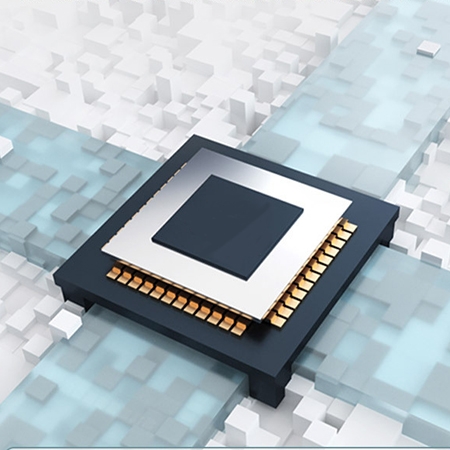
Utilizes High-Precision Integrated Circuits to Achieve Signal Processing and Interference Rejection
- High-Precision Integrated Circuit: Equipped with a high-precision integrated circuit for efficient signal conditioning and processing, helping convert the electrochemical sensing signal into a stable electrical output.
- Enhanced Signal Processing: The integrated circuit processes weak sensor signals with high precision, helping improve signal clarity and support more reliable carbon monoxide concentration measurement.
- Strong Anti-Interference Capability: Advanced circuit design helps reduce the influence of electrical noise and external interference, supporting stable sensor operation in complex environments.
- Stable Signal Output: Optimized signal conditioning helps minimize signal fluctuations and provides a more consistent output for downstream monitoring and control systems.
- Reliable System Integration: The integrated signal-processing circuitry simplifies connection with microcontrollers, gas detection modules, alarm systems, and other electronic monitoring equipment.
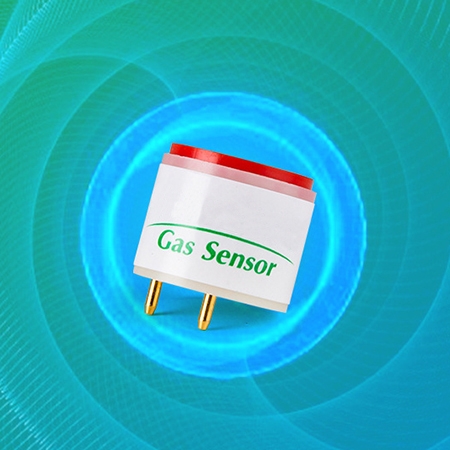
High Sensitivity and Fast Response Speed
- High Sensitivity: The electrochemical carbon monoxide sensor offers high sensitivity to CO, enabling reliable detection of changes in carbon monoxide concentration, including relatively low concentrations.
- Fast Response: Designed for rapid detection, the sensor responds quickly to changes in CO concentration, helping gas monitoring systems identify abnormal CO levels in a timely manner.
- Accurate CO Monitoring: The electrochemical sensing principle provides a measurable electrical signal corresponding to the carbon monoxide concentration, supporting precise CO monitoring.
- Rapid Detection of CO Leaks: Its fast response helps shorten the time between exposure to carbon monoxide and signal output, making it suitable for CO leak detection and safety monitoring.
- Stable Continuous Monitoring: The sensor is designed for continuous carbon monoxide monitoring and can be integrated into fixed or portable gas detection equipment..
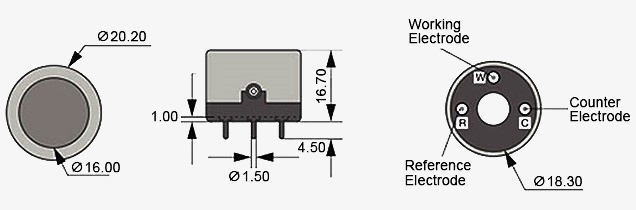
Dimension
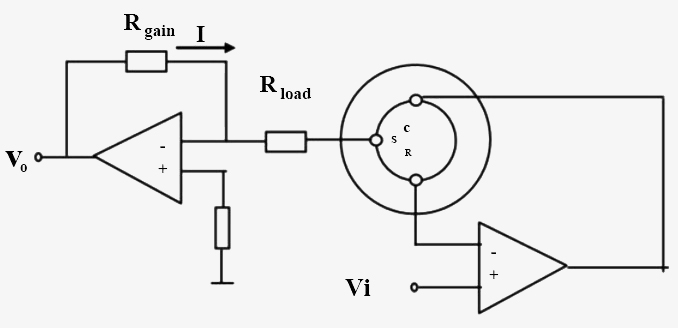
Basic Test Circuit
Applications
The SISCO rain gauges are widely used in hydropower stations, reservoirs, agriculture and forestry, meteorological stations, and hydrological stations to accurately measure rainfall for weather observation, irrigation planning, and water resource management.

Warehouse

Fire Detection

Colliery

Underground Parking
| Model | SISCO-GS-CO-S4 |
| Detection Principle | Electrochemical Three-electrode |
| Detected Gas | Carbon Monoxide (CO) |
| Detection Range | 0-20/0-100/0-1000/0-5000PPM Optional |
| Load Concentration | 2000PPM |
| Operating Voltage | DC 5V±0.5V |
| Output Signal | Current Signal |
| Sensitivity | 75±15nA/PPM |
| Zero Drift | ±2ppm |
| Resolution | 1ppm |
| Accuracy | ±10% |
| Response Time | <25s |
| Operating Pressure | 90-110kPa |
| Temperature Range | -30℃-50℃ |
| Humidity Range | 15%RH~90%RH (No Condensation) |
| Repeatability | <±2% Signal Value/Month |
| Long-term Stability | <2% Signal/Year |
| Linearity | Linear, Regression Coefficient R2=0.999 |
| Service Life | 3 Years |
Cross-interference Gas Table
| Interfering Gas | Gas Concentration (PPM) | Display value (PPM/CO) |
| H2 | 50 | 25 |
| SO2 | 20 | 0 |
| H2S | 100 | 0.5 |
| CL2 | 10 | 0.5 |
| NO | 50 | 10 |
| NO2 | 30 | 1 |
Q1: What is a CO gas sensor?
A1: A CO gas sensor is a sensing device designed to detect and measure carbon monoxide (CO) concentrations in the air. It is commonly used in gas detection systems, safety monitoring equipment, industrial instruments, and indoor air quality applications.
Q2: What does a CO gas sensor detect?
A2: A CO gas sensor is specifically designed to detect carbon monoxide (CO). It measures the concentration of CO in the surrounding environment and provides a corresponding electrical signal for monitoring or alarm systems.
Q3: How does a CO gas sensor work?
A3: SISCO CO gas sensors use a sensing element that reacts with carbon monoxide and produces a measurable electrical signal. The signal changes according to the concentration of CO, allowing the connected instrument or control system to determine the gas level.
Tips: What is the difference between a CO sensor and a CO detector?
A CO sensor is the core sensing component responsible for detecting carbon monoxide in the surrounding environment. It responds to the presence and concentration of CO and converts the detected gas concentration into an electrical signal, which can then be processed by an external circuit or control system. A CO sensor by itself generally does not include an alarm, display, power management, or user interface.
A CO detector is a complete carbon monoxide detection device that incorporates a CO sensor together with electronic circuits and other components. It typically processes the sensor signal, evaluates the CO concentration, and provides visual, audible, or digital alerts when the concentration reaches a predefined threshold. In simple terms, the CO sensor performs the gas sensing, while the CO detector uses that sensing element to provide a complete monitoring and alarm function.
Thank you for buying industrial test and measurement equipment on SISCO.com, all products sold by SISCO and the partner cover a 12 months warranty, effective from the date of receiving the products.
What is covered?
SISCO is responsible for providing free spare parts, and free technical support to assist the customer to repair the defective products until the problem is solved.
What is not covered?
- Product purchased from anyone other than a SISCO store or a SISCO authorized reseller.
- Expendable parts.
- Routine cleaning or normal cosmetic and mechanical wear.
- Damage from misuse, abuse or neglect.
- Damage from use of parts other than SISCO approved.
- Damage from use outside the product’s usage or storage parameters.
- Damage from use of parts not sold by SISCO.
- Damage from modification or incorporation into other products.
- Damage from repair or replacement of warranted parts by a service provider other than a SISCO authorized service provider.
- Damage caused by the application environment not meeting the product usage requirements and the failure to perform preventive maintenance.

Shop on sisco.com for all of your industrial test and measurement equipment & accessories including portable detectors, meters, testers, scales, etc.


