
SISCO radar level meter offers dependable non-contact level measurement for chemical storage tanks, reactors, and industrial process vessels handling corrosive liquids. Designed with an IP65-rated housing, DC24V/AC220V power supply, flange installation, and 4–20 mA output with HART and RS485 communication, it delivers reliable operation under process pressures up to 2.0 MPa.
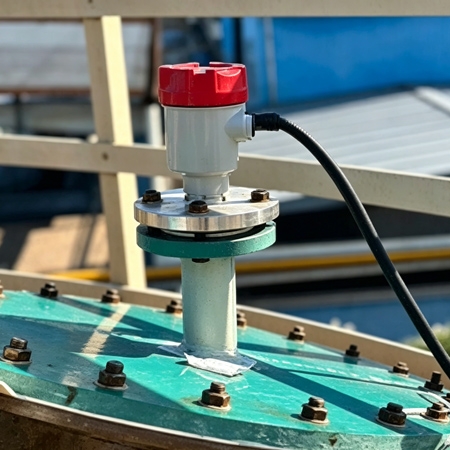
Accurate & Stable Measurement Performance
- 3° narrow beam design: The ultra-narrow beam angle concentrates radar energy intensely for stronger penetration. The radar level transmitter boosts echo signals from liquid surfaces and effectively bypasses obstacles inside tanks to eliminate measuring errors.
- High measuring precision: Adopting the electromagnetic wave measurement principle, the transmitter is unaffected by vacuum, high temperature, high pressure, and other harsh conditions, for wide application coverage. Equipped with high-frequency pulse technology, the radar level sensor delivers precise measurements with a tiny blind zone to detect both high and low liquid levels accurately.
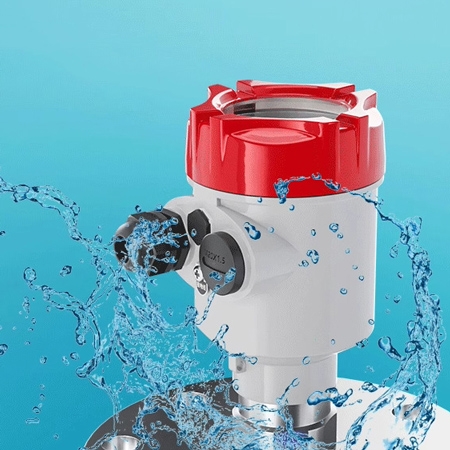
Durable Sealed Protection Structure
The whole unit is rated IP65, a high protection class with sealed cable glands. This radar level transmitter provides triple protection against water ingress, dust accumulation and corrosive substances, enabling long-term stable operation in humid, outdoor and corrosive chemical environments.
Applications
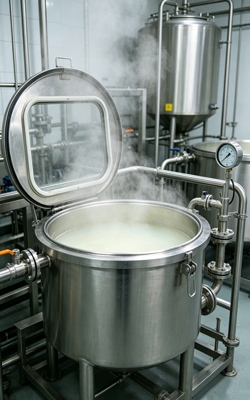
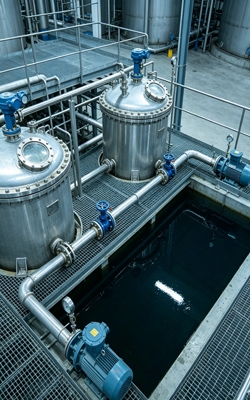
This series of radar level transmitters is applicable to a wide range of harsh industrial working conditions. It fits sanitary tanks for clean raw materials and pharmaceutical liquids in the food, beverage, and pharmaceutical industries to measure mildly corrosive liquids under normal pressure stably. Also, the radar level sensor works for chemical storage tanks with strong corrosive media such as acids, alkalis, and salts, as well as tanks containing high-temperature steam and volatile liquids.

Sanitary Storage
Corrosive Liquid
Volatile Liquid

Steam Condition
| Model | SISCO-RLT-MIK-RD906 | SISCO-MIK-RD902T |
| Measurement Range | 0~20m optional (small blind zone) | 0~20m (small blind zone) |
| Accuracy | ±10mm (for 10m range)±15mm (for 20m range) | ±10mm |
| Process Temperature | (-40~150)°C | (-40~130)°C (230°C high temperature type available) |
| Resolution | 5mm | 5mm |
| Beam Angle | 3° | 3° |
| Protection Rating | IP65 | IP65 |
| Supply Voltage | DC24V/AC220V | DC24V/AC220V |
| Process Pressure | Normal Pressure | (-0.1~2.0)MPa |
| Process Connection | Flange | Flange |
| Signal Output | (4-20)mA (HART supported), RS485 | (4-20)mA (HART supported), RS485 |
| Applicable Scenarios | High temperature, high pressure, corrosive liquids (anti-steam and anti-crystallization) | Corrosive liquids, steam, and volatile liquids |
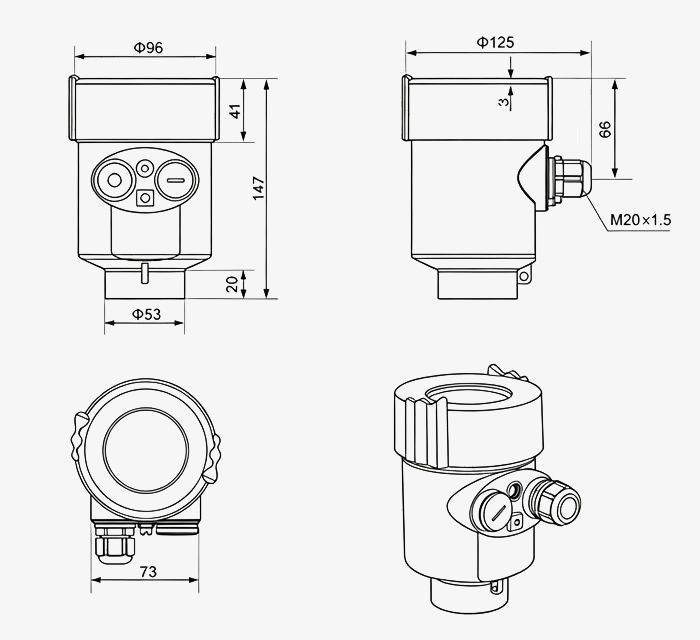
Dimension (unit: mm)
Q1: Why choose a radar level transmitter instead of a guided wave radar transmitter?
A1: A non-contact radar level transmitter is often preferred for corrosive liquids because the antenna does not contact the chemical medium, eliminating probe corrosion and reducing maintenance. Guided wave radar is typically selected when extremely low dielectric liquids or interface measurements require direct signal guidance.
Q2: Can radar level transmitters measure liquids with steam or condensation?
A2: Yes. Modern radar technology is specifically designed to reduce interference from steam, condensation, and vapor. This makes radar level transmitters particularly suitable for heated chemical tanks and process vessels where ultrasonic sensors may struggle to provide stable measurements.
Q3: Can a radar level transmitter work under high temperature and pressure?
A3: Yes. Depending on the model, radar level transmitters can operate at process temperatures up to 150°C and process pressures ranging from -0.1 MPa to 2.0 MPa. High-temperature versions are also available for more demanding applications.
Tips: Does the transmitter require regular maintenance?
No. Radar level transmitters require minimal maintenance because they use non-contact radar technology, eliminating direct contact between the sensor and the corrosive liquid. This design reduces wear, prevents chemical corrosion of the sensing element, and ensures long-term measurement stability. To maintain optimal performance, it is recommended to periodically inspect the antenna for buildup, verify that the process connection remains secure, and check the electrical connections during routine system maintenance. Under normal operating conditions, the transmitter can provide reliable, maintenance-free operation for many years.
Thank you for buying industrial test and measurement equipment on SISCO.com, all products sold by SISCO and the partner cover a 12 months warranty, effective from the date of receiving the products.
What is covered?
SISCO is responsible for providing free spare parts, and free technical support to assist the customer to repair the defective products until the problem is solved.
What is not covered?
- Product purchased from anyone other than a SISCO store or a SISCO authorized reseller.
- Expendable parts.
- Routine cleaning or normal cosmetic and mechanical wear.
- Damage from misuse, abuse or neglect.
- Damage from use of parts other than SISCO approved.
- Damage from use outside the product’s usage or storage parameters.
- Damage from use of parts not sold by SISCO.
- Damage from modification or incorporation into other products.
- Damage from repair or replacement of warranted parts by a service provider other than a SISCO authorized service provider.
- Damage caused by the application environment not meeting the product usage requirements and the failure to perform preventive maintenance.

Shop on sisco.com for all of your industrial test and measurement equipment & accessories including portable detectors, meters, testers, scales, etc.


