
The radar level transmitter provides high-accuracy non-contact measurement with an accuracy of up to ±3 mm and an IP68 protection rating for reliable operation in harsh environments. RS485 communication is supported, along with configuration and calibration via Bluetooth or Modbus protocols. Built-in angle and temperature compensation ensure stable measurement performance. Powered by either a 3.6 V or 12 V DC supply, suitable applications include river channels, monitoring wells, lakes, and forebays.
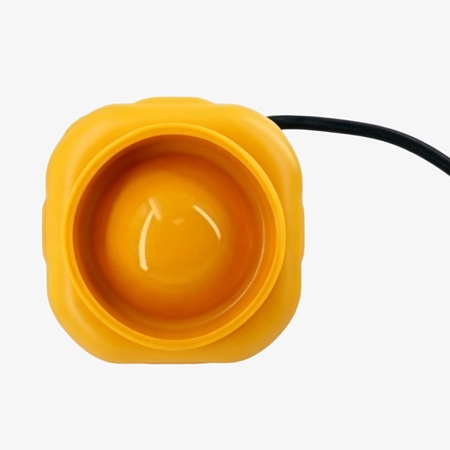
- Energy-Efficient Operation: Powered by a single 3.6 V lithium battery for long-lasting, low-maintenance performance.
- High-Precision Measurement: A 4° narrow beam minimizes interference and enhances target detection, while intelligent false echo suppression ensures accurate readings.
- Robust Environmental Protection: IP68-rated waterproof construction and a corrosion-resistant PVDF housing provide dependable operation in harsh industrial environments.
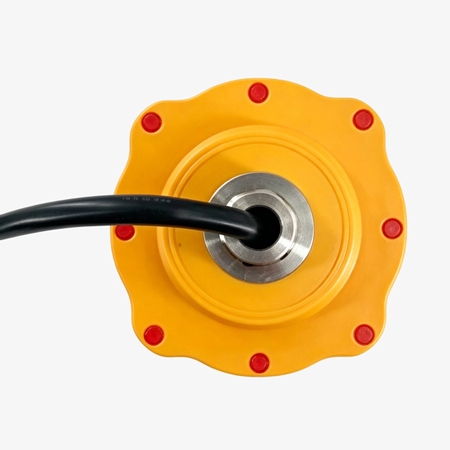
- Intelligent Compensation: Integrated tilt angle sensing and automatic temperature compensation maintain measurement accuracy under changing installation and environmental conditions.
- Reliable Signal Processing: Advanced anti-interference algorithms automatically eliminate unwanted echoes, ensuring stable and consistent performance.
- Engineered for Demanding Applications: Combining innovative technology with rugged construction, the radar level transmitter is ideal for industrial process control and environmental monitoring.
Applications
120 GHz high-frequency radar level meter is purpose-built for high-precision, non-contact water level measurement in confined and space-limited environments. Featuring a compact form factor and advanced radar technology, it is ideally suited for river channels, monitoring wells, lakes, reservoirs, forebays, and drainage infrastructure, making it a reliable choice for municipal water management, flood control, industrial process monitoring, and environmental applications.
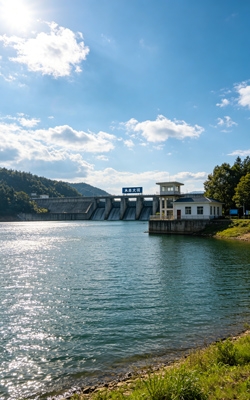
Reservoir
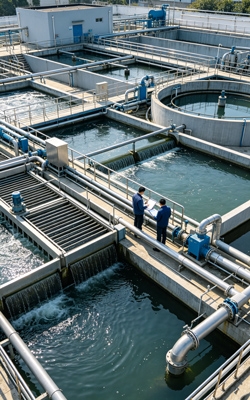
Wastewater Treatment Plant
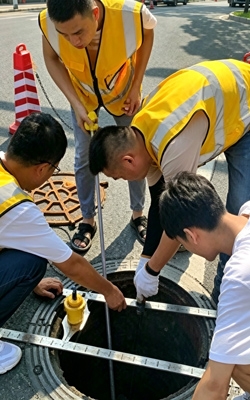
Water Well

Lake
| Model | SISCO-RLT-YUZHENG-LD |
| Application | River channels, lakes, and front shoals |
| Measurement Range | 5m, 10m, 15m (optional) |
| Process Temperature | -40~80°C |
| Process Pressure | Constant pressure |
| Accuracy | ±3mm |
| Frequency Range | 120 GHz |
| Protection Level | IP68 |
| Signal Output | RS485 |
| Calibration | Bluetooth/Modbus protocol |
| Angle Compensation | Included |
| Temperature Compensation | Included |
| Housing Material | Plastic PVDF |
| Power Supply | 3.6V, 12V (optional) |
| Cable Length | 10 meters (default) |
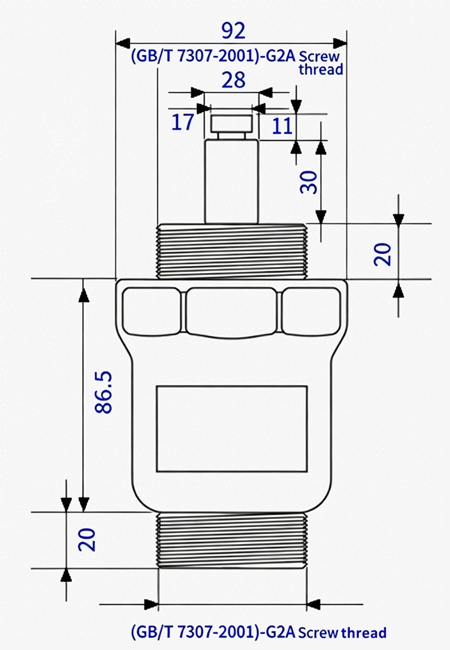
Dimension(Unit:mm)
Q1: What is a radar level transmitter?
A1: A radar level transmitter is a non-contact measurement instrument that uses microwave radar signals to determine the level of liquids or solids in tanks, wells, rivers, or other containers. It works by emitting high-frequency radar waves toward the medium's surface and measuring the time it takes for the reflected signal to return, allowing highly accurate and reliable level detection even in harsh environments such as steam, dust, or temperature variations.
Q2: What are the advantages of radar level transmitters over ultrasonic sensors?
A2: Radar level sensors offer several key advantages over ultrasonic sensors. They are not affected by temperature, pressure, vacuum, vapor, or dust, making them more reliable in harsh and changing environments. Radar technology also provides higher accuracy, longer measurement range, and better performance in confined or complex spaces where ultrasonic signals may be weakened or distorted. In addition, radar level transmitters can measure through foam, steam, or turbulent surfaces more effectively, ensuring more stable and consistent readings in industrial and environmental applications.
Q3: Can radar level transmitters be configured remotely?
A3: Yes, many modern radar level meters can be configured remotely. Depending on the model, setup and calibration can be performed via wireless Bluetooth or through digital communication protocols such as Modbus (e.g., RS485 interface). This allows users to adjust parameters, perform calibration, and monitor device status without direct physical access, which is especially useful for installations in confined or hard-to-reach locations such as wells, tanks, and underground chambers.
Tips: Why choose a high-frequency radar level transmitter?
A high-frequency radar level transmitter is preferred because it provides a very narrow beam angle, which improves targeting accuracy and reduces interference from tank walls or internal structures. Operating at higher frequencies, such as 120 GHz, also enables higher measurement precision, faster response, and better performance in confined or complex installations like water wells, narrow tanks, and small channels. In addition, it offers more stable readings in environments with steam, condensation, or surface turbulence, making it a reliable choice for demanding industrial and environmental level measurement applications.
Thank you for buying industrial test and measurement equipment on SISCO.com, all products sold by SISCO and the partner cover a 12 months warranty, effective from the date of receiving the products.
What is covered?
SISCO is responsible for providing free spare parts, and free technical support to assist the customer to repair the defective products until the problem is solved.
What is not covered?
- Product purchased from anyone other than a SISCO store or a SISCO authorized reseller.
- Expendable parts.
- Routine cleaning or normal cosmetic and mechanical wear.
- Damage from misuse, abuse or neglect.
- Damage from use of parts other than SISCO approved.
- Damage from use outside the product’s usage or storage parameters.
- Damage from use of parts not sold by SISCO.
- Damage from modification or incorporation into other products.
- Damage from repair or replacement of warranted parts by a service provider other than a SISCO authorized service provider.
- Damage caused by the application environment not meeting the product usage requirements and the failure to perform preventive maintenance.

Shop on sisco.com for all of your industrial test and measurement equipment & accessories including portable detectors, meters, testers, scales, etc.


