
Earth Resistance Testers
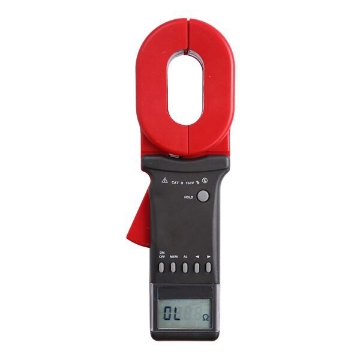
Earth Resistance Tester, 0.010Ω~200Ω
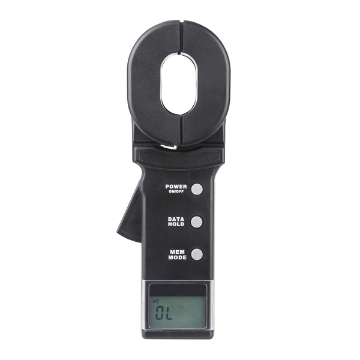
Clamp-on Earth Resistance Tester, 0.010Ω~1000Ω
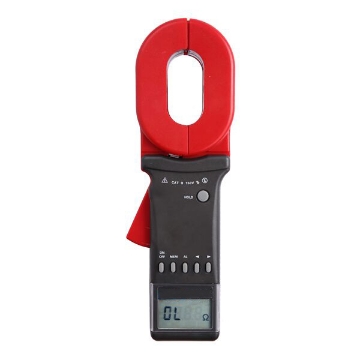
Digital Earth Resistance Tester, 0.010Ω~1200Ω
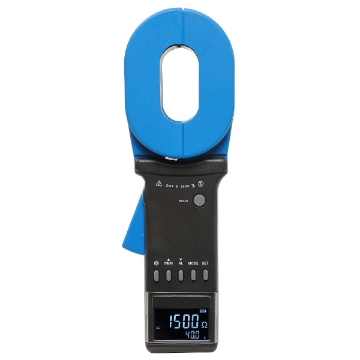
Clamp Ground Resistance Tester, 0.010Ω~1500Ω
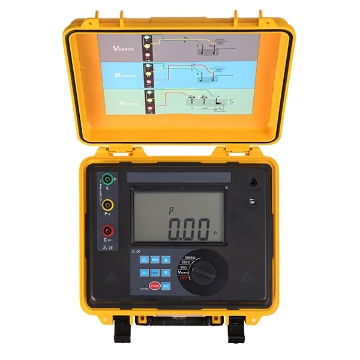
Digital Earth Resistance Tester, 0.010Ω~2000Ω
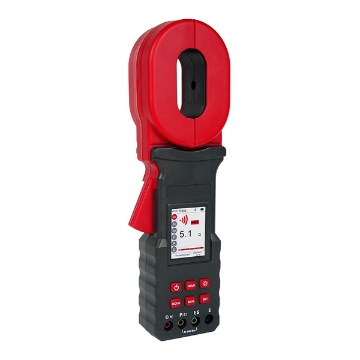
Clamp Earth Resistance Tester, 0~20kΩ
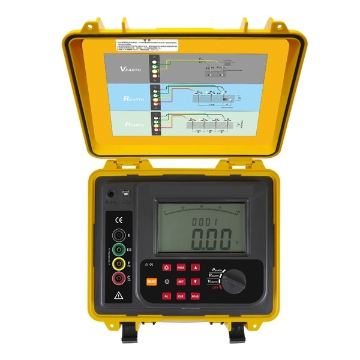
Soil Resistivity Tester, 0~30kΩ
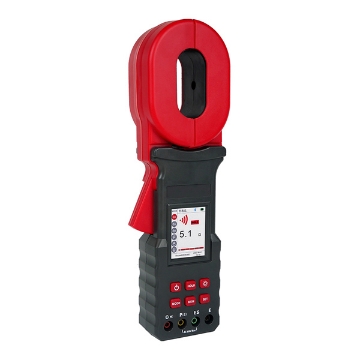
Digital Ground Resistance Tester, 0~200kΩ
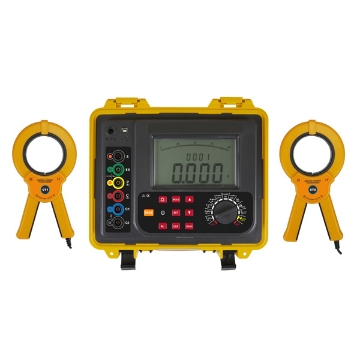
Earth Resistance Tester, Double Clamp, 0~300kΩ
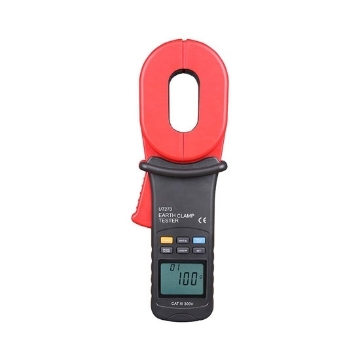
Clamp-on Ground Resistance Tester, 0.01 to 1000Ω
Earth resistance tester is an instrument for measuring the grounding resistance value and soil resistivity of the grounding device of electrical equipment. The clamp-on earth resistance tester can measure the connection resistance of any looped system without using an auxiliary ground rod or interrupting the grounding of the equipment under test. As long as the ground wire or ground rod is clamped with the clamp head, the ground resistance can be measured safely and quickly. It can also be applied to multiple parallel grounding systems.
SISCO offers you ground resistance testers for measuring resistance in the range of 0.00Ω~30kΩ. Digital earth resistance tester is light and compact, easy to operate, accurate and reliable, designed for measuring earth resistance and loop resistance of electric power, telecommunication, meteorology, oil field, building and industrial electrical equipment.
What is the function of current reverser in earth resistance tester?
The backup current function of a ground resistance tester refers to the instrument's automatic or manual switching to a backup test current setting when the main test current is insufficient due to high soil impedance, large interference current, poor line contact, or excessively long test distance during grounding resistance measurement.
The backup current typically has higher output capability, effectively overcoming the impedance effects caused by complex grounding grids or harsh environments, improving signal strength, and making the measurement results more stable, avoiding reading fluctuations or deviations. Simultaneously, the backup current also enhances anti-interference capabilities, reducing the impact of external factors such as power frequency interference and electromagnetic noise on the test, ensuring ground resistance meter's accuracy even under complex field conditions.
What are the uses of a grounding resistance tester?
Earth ground resistance testers are mainly used to measure the grounding resistance of various electrical systems to ensure the safety, reliability, and compliance of the grounding system with electrical specifications. Earth tester meters are widely used in power systems, building power distribution, communication base stations, factory equipment, power plants, substations, and lightning protection facilities to check the grounding effect of grounding electrodes, grounding leads, and grounding grids.
Measuring grounding resistance allows for the assessment of whether grounding can quickly conduct fault current to the earth in the event of lightning strikes, leakage current, short circuits, or system failures, thereby reducing the risk of electric shock, preventing equipment damage, and ensuring the proper operation of protective devices. Ground impedance testers are also indispensable testing tools in construction acceptance, periodic inspections, and safety maintenance.



Shop on sisco.com for all of your industrial test and measurement equipment & accessories including portable detectors, meters, testers, scales, etc.


