
A kitchen scale is an essential tool for anyone who loves cooking or baking. While many people rely on measuring cups and spoons, a food scale offers precision that ensures recipes turn out perfectly every time. From professional chefs to home bakers, choosing the right kitchen scale can make a significant difference in cooking results, portion control, and even dietary management. However, with so many options available, finding the perfect kitchen food scale can be a daunting task. This guide will help you navigate the various types, features, and considerations to choose the right kitchen scale for your needs.
How to Choose the Right Kitchen Scale?
A kitchen scale is an essential tool for anyone who loves cooking or baking. While many people rely on measuring cups and spoons, a food scale offers precision that ensures recipes turn out perfectly every time. From professional chefs to home bakers, choosing the right kitchen scale can make a significant difference in cooking results, portion control, and even dietary management. However, with so many options available, finding the perfect kitchen food scale can be a daunting task. This guide will help you navigate the various types, features, and considerations to choose the right kitchen scale for your needs.
Different Types of Kitchen Scale
General Electronic Kitchen Scale
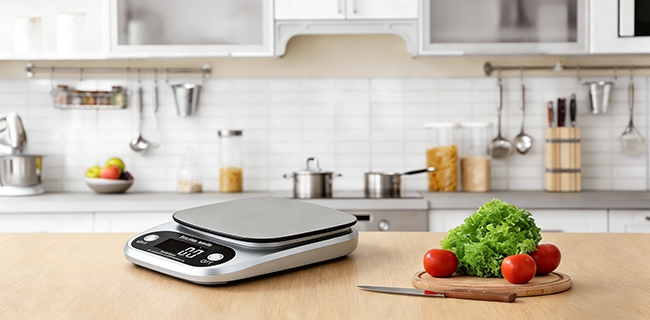
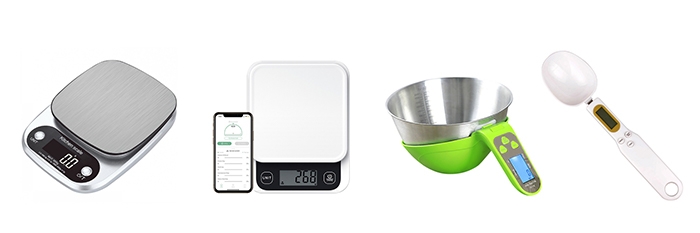
The most common type is the general electronic kitchen scale, also known as a digital kitchen scale. This is the standard flat-platform scale that most people are familiar with. It typically has a sleek, compact design with a digital display and buttons. You place your ingredients directly on the platform or in a container, press the tare button to zero the weight, and then add your food.
General electronic scales are highly versatile and suitable for most cooking and baking tasks. They usually support multiple units of measurement, such as grams, ounces, pounds, and milliliters. Many models can measure up to
5 kilograms or more, making them ideal for weighing everything from spices to large batches of dough.
When choosing a general electronic scale, look for one with high precision, preferably accurate to at least 1 gram. A clear, easy-to-read display is also important, especially if you cook in dim lighting.
Digital Spoon Scale
A digital spoon scale is a more specialized tool designed for measuring small quantities of ingredients. It looks like a large spoon with a digital display built into the handle. This type of scale is particularly useful for measuring spices, herbs, sugar, salt, or baking powder with great precision.
One advantage of an electronic spoon scale is that it eliminates the need for an extra container. You simply scoop the ingredient and read the weight directly. This can be very convenient when working with tiny amounts that would be difficult to measure accurately on a regular scale.
However, spoon scales usually have a lower maximum capacity, often around 300 to 500 grams. They are not suitable for weighing large ingredients like flour or fruit. Therefore, they work best as a complementary tool rather than a replacement for a general kitchen scale.
Bowl Scale
A bowl scale combines a digital scale with a built-in bowl, making it extremely practical for mixing and measuring ingredients in one container. Instead of placing a separate bowl on a flat scale, the bowl is already integrated into the device. This is especially helpful for baking, where you often need to measure multiple ingredients in the same bowl.
Bowl scales are ideal for measuring liquids, powders, and chopped ingredients without worrying about spills. Many models allow you to remove and clean the bowl easily, which is a big plus for hygiene and convenience. Some even come with multiple interchangeable bowls of different sizes. When choosing a bowl scale, consider the material of the bowl. Stainless steel bowls are durable and easy to clean.
Bluetooth Digital Kitchen Scale
A bluetooth electronic scale represents the more advanced end of kitchen scale technology. This kitchen scale can connect to your smartphone or tablet via a dedicated app, allowing you to track measurements, store recipes, and even calculate nutritional information automatically.
This type of scale is particularly popular among fitness enthusiasts, meal preppers, and people who closely monitor their diet. By syncing with a nutrition app, you can weigh your food and instantly see calorie counts, protein content, and other nutritional data.
Bluetooth scales often come with additional features such as automatic unit conversion, data storage, and recipe scaling. However, they tend to be more expensive than traditional scales. If you are not tech-savvy or do not care about digital tracking, a simpler scale might be a better choice.
Key Features to Consider When You Choose
Once you understand the different types of kitchen scales, the next step is to evaluate their features. Not all scales are created equal, and paying attention to certain details can help you make a better decision.
- Capacity and Precision. Capacity refers to the maximum weight a scale can measure. Most kitchen scales range from 2 kilograms to 10 kilograms. If you mostly cook small meals, a lower capacity scale is sufficient. However, if you frequently bake or cook in large batches, choose a scale with at least 5 kilograms of capacity. Precision is equally important. Look for a scale that measures in increments of at least 1 gram. Some high-end models even measure in 0.1-gram increments, which is useful for baking or measuring spices.
- Units of Measurement. A good food weight scale should support multiple units, including grams (g), ounces (oz), pounds (lb), and milliliters (ml). If you follow international recipes, this flexibility is very helpful. Some scales also include specialized units like fluid ounces for measuring liquids.
- Tare Function. The tare function is one of the most essential features of any kitchen scale. It allows you to place a container on the scale, reset the display to zero, and then measure only the weight of the ingredients. This makes cooking and baking much more convenient and accurate.
- Display and Controls. A clear, backlit display is especially useful if you cook in a dim kitchen or at night. Touch-sensitive buttons are common in modern scales, but some people prefer physical buttons for better control, especially when their hands are wet or greasy.
- Size and Storage. If you have limited counter space, choose a compact and lightweight scale that is easy to store. Flat general electronic scales are usually the most space-efficient, while bowl scales take up more room but offer greater convenience.
Conclusion
Choosing the right kitchen food scale is not just about picking the most popular model, it is about understanding your own needs and cooking style. Whether you are a home cook looking to improve baking precision, a health-conscious individual monitoring portions, or a professional chef needing consistency, the right kitchen scale can be an invaluable tool in your culinary journey. Taking the time to choose a scale that fits your unique needs ensures you’ll enjoy its benefits for years to come. A good kitchen scale can improve your cooking accuracy, reduce waste, and even support a healthier lifestyle. A variety of kitchen scales are available on SISCO Online Store for your selection. If you have any questions, please do not hesitate to contact us.