
A stud finder is a handheld electronic tool designed to help users locate the internal framing members, commonly called studs—behind walls, ceilings, or floors without causing damage to the surface. These devices have become indispensable in modern construction, renovation, home improvement, and even everyday household tasks such as hanging pictures, mounting TVs, or installing shelves. Although the tool itself is relatively compact and easy to use, the technology behind it reflects a sophisticated understanding of materials, density, and signal detection. To truly understand what a stud tester is, it is necessary to explore its importance, how it works, its applications, and its role in both professional and DIY environments.
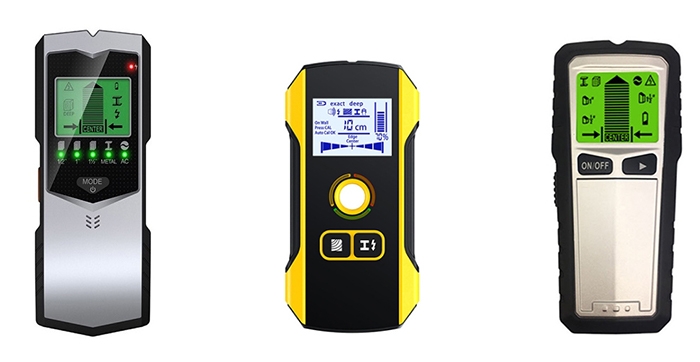
How Does a Stud Finder Work?
A stud finder scanner works by detecting changes in density or electrical properties behind a wall to locate the wooden or metal framing members (studs) hidden beneath drywall or plaster. Most modern stud finders are electronic and use sensors that measure variations in capacitance or density as the device is slowly moved across the wall. When the tool passes over empty space, the wall material has a relatively consistent reading, but when it passes over a stud, the increased density or different dielectric properties cause a noticeable change in the signal. The device then alerts the user through a visual display, LED lights, or an audible beep.
The Importance of a Stud Detector
In most residential and commercial buildings, walls are not solid structures. Instead, they consist of a framework made of wooden or metal studs, which are then covered by drywall, plaster, or other surface materials. These studs provide structural support for the building and serve as anchor points for heavy objects. When someone wants to hang a heavy mirror, mount a television, install cabinets, or secure a shelf, attaching these items directly to a stud ensures stability and safety. Many advanced models can identify electrical wiring, metal pipes, or live cables inside walls, helping users avoid accidentally drilling into hazardous areas. Without a stud finder, locating these internal supports would require trial and error, often resulting in multiple holes, damaged walls, and frustration.
A stud detector eliminates this guesswork. By scanning the wall and indicating where a stud is located, it allows users to drill or nail in the right place with confidence. This not only protects the wall but also ensures that mounted items are securely attached. For professionals such as carpenters, electricians, and contractors, stud finders are essential tools that improve efficiency and accuracy on the job. SISCO Shop provides a variety of wall scanners for you to choose from, such as 4 in 1 stud wall detector, 5 in 1 wall stud finder, multifunctional wall detector and so on.
Application Fields of Wall Stud Finder
A digital stud finder is a versatile tool primarily used to detect structural elements hidden behind walls, ceilings, or floors. Its applications extend across construction, home improvement, and specialized professional fields. The main application areas include:

1. Home Renovation and Interior Decoration
- Hanging heavy objects. A wall stud finder is essential for locating studs when mounting shelves, cabinets, mirrors, or large picture frames. Anchoring into a stud ensures stability.
- Installing curtain rods and TVs. Wall-mounted TVs and heavy curtain fixtures require precise positioning on studs to support weight safely.
- Decorative panels and wall art. Accurate stud detection allows secure installation of decorative panels, acoustic boards, or artwork.
2. Construction and Carpentry
- Wall framing inspection. Professionals use a stud finder to verify stud placement in new constructions, ensuring compliance with design specifications.
- Electrical and plumbing preparation. An electronic stud finder helps carpenters and contractors avoid studs when running electrical wires, pipes, or HVAC ducts, preventing accidental damage.
- Retrofitting and remodeling. When adding or removing walls, the stud detector helps identify load-bearing studs to maintain structural integrity.
3. Safety and Maintenance
- Avoiding hazards. By detecting studs, electrical cables, or pipes hidden in walls, the stud scanner reduces the risk of accidents during drilling or nailing.
- Home inspection. Inspectors use a stud finder to assess structural consistency and identify potential issues such as missing or misplaced studs.
4. Specialized Industrial Applications
- Renovation of commercial spaces. In offices, restaurants, and retail spaces, a stud finder scanner facilitates safe and efficient installation of shelving, signage, and partitions.
- Museum and gallery installations. Accurate stud detection ensures secure mounting of exhibits and artwork.
- Theatrical and set construction. The stud finder machine assists in building stages, props, and scenery that require strong attachment points.
5. DIY Projects and Crafting
- Furniture placement. DIY enthusiasts use a stud finder device to anchor furniture or modular storage safely.
- Custom home projects. From building workbenches to mounting pegboards, a stud finder ensures stability in all creative home solutions.
Using Tips
Using a stud finder device effectively begins with understanding the type of wall you are working with and the features of your device. Before scanning, remove any objects or decorations from the wall and ensure the surface is clean and dry. Move the stud detector slowly and steadily across the wall, keeping it flat against the surface. Mark the edges of the studs/cables/metals as you locate them; this will help you find the center for secure mounting. For best results, scan the area twice, first horizontally and then vertically, to confirm the position.
Additionally, pay attention to wall materials and potential obstructions. Stud finders may struggle with lath and plaster walls or walls with thick paneling. Avoid scanning near electrical outlets or plumbing pipes to prevent interference and ensure safety. If your stud finder has multiple modes, such as metal or deep scanning, use the appropriate setting for the task. With practice, using a stud scanner becomes faster and more accurate, allowing you to confidently hang shelves, pictures, or other fixtures.
Conclusion
In essence, a stud finder tool is much more than a simple gadget, it is a practical, powerful, and often essential tool for anyone working with walls. Whether used by a professional contractor or a first-time homeowner, it serves a clear and valuable purpose: helping people see beyond the surface and make informed, safe, and accurate decisions.
By understanding what a stud detector is, how it works, and how to use it effectively, users can unlock its full potential and make their construction or home improvement projects smoother, safer, and more successful. As technology continues to advance, stud finder will likely become even more precise and versatile, further solidifying their place as a must-have tool in both professional and everyday settings.