
Digital ground bond tester is a high-precision testing device designed to measure the grounding resistance of electrical equipment and systems. SISCO AC 40A Ground Bond Tester allows for high readability and convenience via the large LCD display, 100 memory blocks from setting criteria and programmable communications interface. The PWM switching amplifier enhances the power efficiency and allows for more reliable testing.
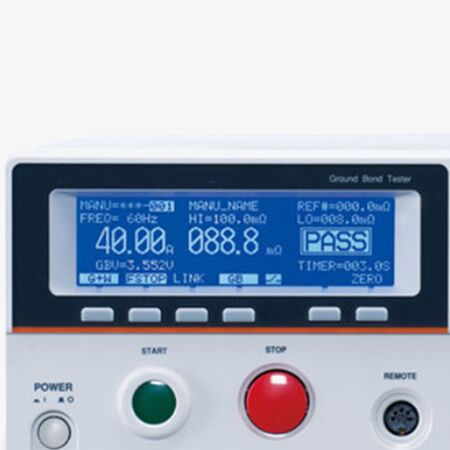
High-Resolution 240*64 Ice Blue Dot Matrix LCD Display
- High-Resolution 240*64 Ice Blue Dot Matrix LCD Display: The ground bond tester is equipped with a 240×64 ice blue dot matrix LCD screen, providing clear, high-resolution readouts of test results. The ice blue color offers excellent contrast and is easy on the eyes, making it ideal for use in both well-lit and low-light environments.
- Enhanced Data Visibility: With the high-resolution dot matrix display, users can easily view key measurements such as ground resistance and test time, even from a distance. The screen displays important information in a clear, organized layout, reducing the chances of misreading test data.
- Improved Readability in Any Condition: The bright ice blue backlight ensures easy readability even under dimly lit conditions, such as in industrial or outdoor settings. The backlight feature can be especially useful when testing in low-light environments, enhancing visibility and accuracy.
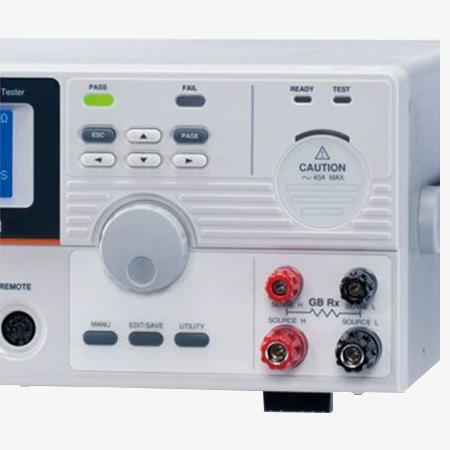
Intuitive Control Panel with Easy Navigation
- Intuitive Control Panel with Easy Navigation: The ground bond tester features a well-organized and intuitive control panel. With clearly labeled buttons like PASS, FAIL, READY, and TEST, operators can easily manage tests, view results, and navigate settings with a simple push of a button. The large dial knob provides quick adjustments for test parameters, making the tester user-friendly in both lab and field environments.
- Clear Visual Indicators for Test Status: The tester’s LED indicator lights (PASS, FAIL, READY) provide real-time feedback, clearly showing the status of the test. When the test is complete, the green PASS light will illuminate if the bonding resistance is within the acceptable range, while the red FAIL light alerts users if resistance levels exceed safe limits.
- High-Voltage Protection with Caution Display: The Caution Indicator near the SOURCE ports warns users when the device is outputting a maximum current of up to 40A. This feature is essential for preventing accidental overexposure to high-voltage testing conditions, enhancing safety during operation.
Applications
SISCO earth ground insulation resistance tester is suitable for measuring the insulation resistance of various electrical equipment and insulating materials such as transformers, motors, cables, switches, electrical appliances, and for maintenance, testing and verification of various electrical equipment.
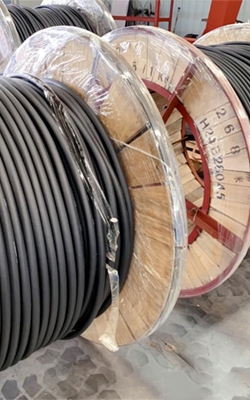
Measuring Cable

Measuring Appliances
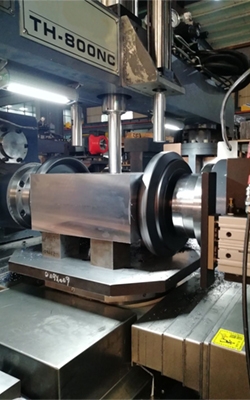
Measuring Motor
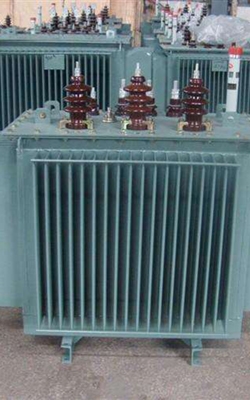
Measuring Transformer
| Model | SISCO-GRT-GCT-9040 |
| Test Current Range | 3A ~ 40A AC |
| Test Current Resolution | 0.01A |
| Test Current Accuracy | 3A≤I≤8A:± (1%+0.2 A) 8A≤I≤40A:± (1%+0.05 A) |
| Test Voltage | 8V AC (maximum test voltage) |
| Test Frequency | 50Hz / 60Hz (Selectable) |
| Test Resistance Range | 1.0 mΩ ~ 650.0 Ω |
| Test Resistance Accuracy | ±(1% reading + 2 mΩ) |
| Test Time (Measurement Time) | 0.5s ~ 999.9s |
| Test Method | 4-wire measurement method |
| GND | Yes |
| Memory | Manual storage (100 sets) |
| Interfaces | LINK, USB, GPIB, Remote Terminal, Signal I/O |
| Display | 240 * 64 LCD screen |
| Power Supply | AC 100V / 120V / 220V / 230V 卤10%, 50/60Hz |
| Maximum Power Consumption | 700VA |
| Dimensions (W*H*D) | 330 * 148 * 460 mm |
| Weight | 17 kg |
 Ground Bond Tester User Manual.pdf
Q1: What is a insulation tester?
A1: Insulation tester, also known as megohmmeter or meggers, are widely used to measure cables for generators, motors, power transformers, wiring, appliances and other electrical installations such as control, signal, communication and power ) insulation resistance. They are often used in routine maintenance procedures to indicate changes in the insulation resistance of a motor over months or years. Large changes in insulation resistance may indicate potential failures. Therefore, regular calibration of the megohmmeter is required to ensure that the meter itself has not changed over time.
Q2: What is insulation resistance?
A2: Insulation resistance is the DC resistance of the insulation under the specified conditions, that is, the DC voltage is applied to the dielectric, after a certain period of polarization, the resistance corresponding to the leakage current flowing through the dielectric is called insulation resistance. It is the most basic insulation index of electrical equipment and electrical circuit.
Q3: How to measure insulation resistance?
A3: 1. Connect all the lines according to the method measured by the insulation resistance tester. The connection between the measuring lead and the pipe is more suitable for the use of magnetic joints or clips, and the connection point must be free of rust.
2. The measuring instrument should be a 500V/500MΩ (the error here cannot be greater than 10%) insulation tester. Turn the handle of the megohmmeter to reach the specified speed for 10 seconds. The resistance value indicated by the megohmmeter stably is the insulation resistance value of the insulating joint (flange), which is required to be greater than 10 megohms.
Tips: Is it safe to use a ground bond tester on live circuits?
No, it is not safe to use a ground bond tester on live circuits.
Ground bond testing should always be performed on de-energized equipment to ensure safety. Testing on live circuits can lead to electrical shock hazards and damage to the tester or the equipment being tested.
Before conducting any ground bond test:
- Power off the equipment or circuit.
- Disconnect it from any power source.
- Follow proper safety protocols and ensure the circuit is completely de-energized.
Always consult the user manual of the tester for detailed safety instructions and guidelines.
Thank you for buying industrial test and measurement equipment on SISCO.com, all products sold by SISCO and the partner cover a 12 months warranty, effective from the date of receiving the products.
What is covered?
SISCO is responsible for providing free spare parts, and free technical support to assist the customer to repair the defective products until the problem is solved.
What is not covered?
- Product purchased from anyone other than a SISCO store or a SISCO authorized reseller.
- Expendable parts.
- Routine cleaning or normal cosmetic and mechanical wear.
- Damage from misuse, abuse or neglect.
- Damage from use of parts other than SISCO approved.
- Damage from use outside the product’s usage or storage parameters.
- Damage from use of parts not sold by SISCO.
- Damage from modification or incorporation into other products.
- Damage from repair or replacement of warranted parts by a service provider other than a SISCO authorized service provider.
- Damage caused by the application environment not meeting the product usage requirements and the failure to perform preventive maintenance.

Shop on sisco.com for all of your industrial test and measurement equipment & accessories including portable detectors, meters, testers, scales, etc.


