
Water quality plays a critical role in human health, environmental protection, agriculture, and industrial processes. Whether you are testing drinking water at home, monitoring a swimming pool, managing hydroponics, or ensuring compliance in industrial systems, selecting the right water quality tester is essential. With so many devices on the market, functions vary greatly. Choosing the right tester is not about chasing the most functions or the lowest price, but matching product performance with actual needs. This guide will walk you through something you need to know about choosing a water quality tester.
Why Water Quality Testing Matters?
Water may look clean and still contain invisible contaminants such as bacteria, heavy metals, dissolved solids, or chemical pollutants. Poor water quality can lead to health problems, equipment damage, and environmental issues.
Common reasons for testing water include:
- Ensuring safe drinking water at home
- Monitoring aquarium or fish tank conditions
- Maintaining pool and spa hygiene
- Supporting hydroponic and agricultural growth
- Industrial process control and compliance
- Environmental water monitoring (lakes, rivers, wastewater)
Each application requires different accuracy levels and parameters, which is why choosing the right tester is so important.
Determine the Parameter or Parameters You Need To Measure:
Before selecting a water quality meter, you should understand the main parameters it measures.
- pH Level. pH measures how acidic or alkaline water is on a scale from 0 to 14. (7 = neutral; Below 7 = acidic; Above 7 = alkaline.) pH is critical for drinking water, aquariums, agriculture, and pools.
- Total Dissolved Solids (TDS). TDS measures the concentration of dissolved substances such as minerals, salts, and metals. High TDS can affect taste and safety.
- Electrical Conductivity (EC). EC indicates water's ability to conduct electricity, which correlates with ion concentration. It is widely used in hydroponics and agriculture.
- Temperature. Water temperature affects chemical reactions, aquatic life, and system performance.
- Dissolved Oxygen (DO). DO is essential for aquatic ecosystems. Low oxygen levels can harm fish and plants.
- Turbidity. Turbidity measures water clarity and the presence of suspended particles.
- Oxidation Reduction Potential (ORP). ORP measures the ability of water to oxidize or reduce substances. A higher ORP value generally indicates stronger disinfecting and purification capability in the water.
- Salinity. Salinity is the measurement of the amount of dissolved salts in water. It is an important indicator of water quality and affects aquatic life, agriculture, industrial processes, and drinking water safety.
Choosing For Different Scenarios:
For families concerned about the safety of tap water, well water, or filtered water, the most commonly concerned indicators are total dissolved solids (TDS), pH value, and residual chlorine. TDS can help you check whether a reverse osmosis water purifier is working properly, which also intuitively reflects the total content of dissolved minerals and salts in water. pH value affects water taste and corrosion to pipes, and the pH of qualified domestic drinking water should be between 6.5 and 8.5. If you have a private well, you also need to pay attention to the detection of nitrates and heavy metals, which are common pollutants in groundwater that are harmful to human health.
For hydroponic growers, the most critical indicators are electrical conductivity (EC) and pH. EC reflects the concentration of the nutrient solution, and the pH value affects the absorption capacity of plant roots to nutrients. An imbalance of either will lead to slow plant growth and reduced yield. Some growers will also add TDS and temperature monitoring to grasp the water environment status in real time.
For professional users such as environmental protection practitioners and wastewater treatment operators, testing requirements are more specific, and it is often necessary to detect turbidity, heavy metals, persistent organic pollutants, and other indicators according to project and regulatory requirements. Professional testers need higher accuracy and data storage functions to meet the needs of regulatory reporting and long-term monitoring.
Types of SISCO Water Quality Testers:
SISCO offers a wide range of water quality testers designed for different testing environments and user requirements. The main categories include handheld water quality testers and desktop water quality test meters, providing reliable solutions for water analysis in laboratories, industrial facilities, aquaculture, agriculture, and household applications.
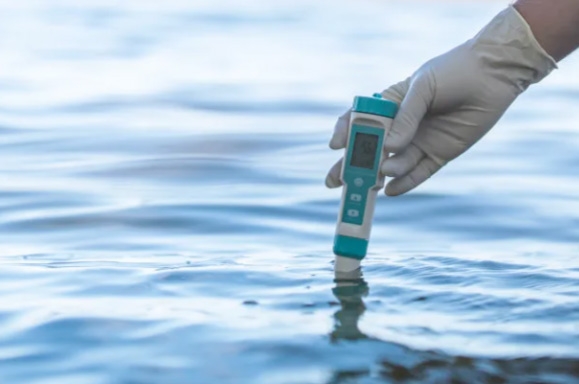
Handheld water quality testers are compact, portable, and easy to operate. They are ideal for on-site testing and field inspections. Including 2-in-1 testers that measure two parameters simultaneously, 5-in-1 testers for comprehensive water quality monitoring, and advanced 7-in-1 testers capable of measuring multiple water parameters with a single device. In addition, Bluetooth-enabled water quality testers allow users to connect with mobile devices for data recording, storage, and analysis, greatly improving testing efficiency and convenience. Desktop water quality test meters are designed for laboratory and professional testing applications. They provide enhanced stability and advanced data management functions, making them suitable for detailed water quality analysis and research projects. There are various types available. You can make your purchase on the SISICO Testing Equipment Shop according to your needs.
Key Features to Consider:
- Measurement Parameters. A good water quality tester should support multiple key parameters such as pH, TDS (Total Dissolved Solids), EC (Electrical Conductivity), salinity, and temperature. These indicators help you understand the overall condition of water in drinking, aquarium, hydroponics, or industrial use.
- Portability. A compact and lightweight design is important for fieldwork. Portable testers are easy to carry and suitable for outdoor testing, laboratories, and home use.
- Ease of Use. A user-friendly interface, clear digital display, and simple one-button operation make testing faster and more efficient. Some advanced models also feature auto temperature compensation (ATC) for better results.
- Response Time. A high-quality tester should provide fast readings, usually within a few seconds. Quick response time improves efficiency, especially for field testing or large-scale water monitoring.
- Display and Readability. A large LCD or backlit display helps users read data clearly in different lighting conditions. Some advanced models even support multi-parameter display at the same time.
Conclusion:
Choosing the right water quality tester depends on your specific application, required parameters, accuracy needs, and budget. For simple home use, a basic digital meter may be enough. For professional or industrial applications, a multiparameter is often necessary. By understanding key water quality indicators and evaluating device features carefully, you can make an informed decision that ensures safe and clean water in any environment. A well-chosen water quality test meter is not just a measuring device—it is an essential tool for protecting health, improving productivity, and maintaining water quality standards across a wide range of applications.